Automobiles can be terminal.
They are speeding metal coffins containing mortal bodies that crumple when hit, collapse when rolled over, compress and crush what is inside them when physics takes charge and momentum meets momentum.
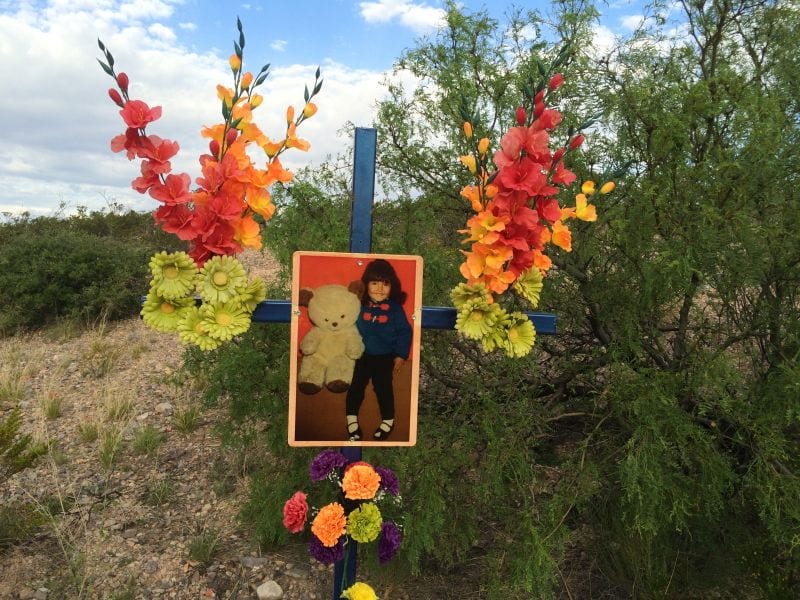
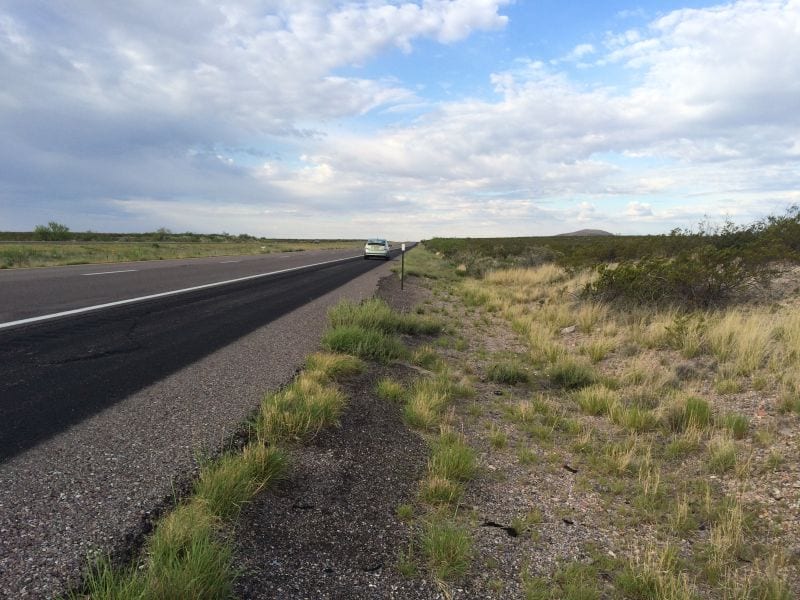
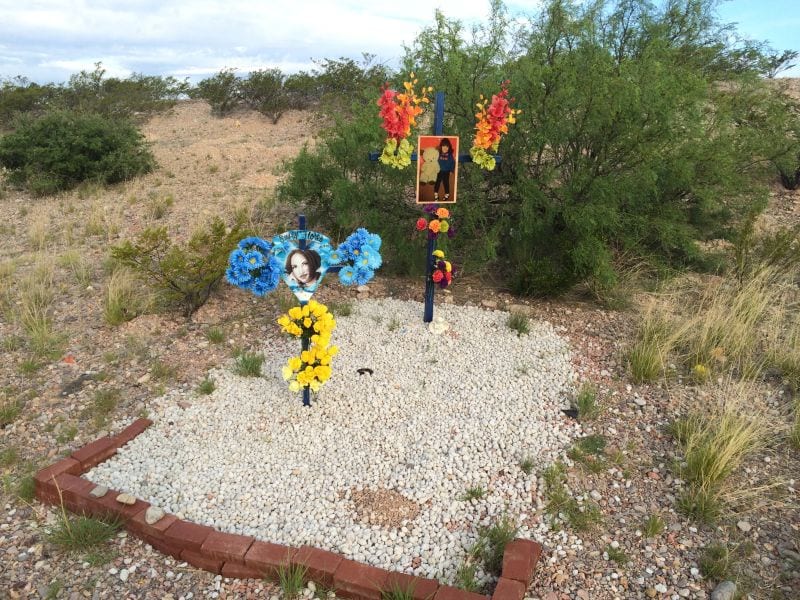
Along New Mexico highways there are small Memorials built by roadsides to say good bye to loved ones who have become traffic statistics. The crash sites have been cleaned up, bodies interred, obituaries written, tears drained. All that is left is small remembrances by friends and family planted at the point where a spirit left this Earth and moved into the next world.
These heart felt and simple Memorials are often just simple white crosses with a name and date on them.
Some are elaborate with photos, dates of birth and death, artifacts from a person’s life like a high school graduation tassel or a string of prayer beads or a quote from the Bible written in indelible black ink on a cardboard sign.
i seldom stop but Memorials add up. I pass one at a time, but they have a cumulative effect, cause me to look at my speed, pay closer attention to the road, drink more coffee to stay awake.
The vast expanses of New Mexico reach away from the highways and it is hard to figure how two vehicles collide when there is so much space to avoid it?
Still, cars are machines operated by humans and human error is unavoidable..
A roadside Memorial is evidence of great pain and great love.
One wishes every death had such a Memorial to go with it.
The Owl Cafe was born in San Antonio, New Mexico, one of many New Mexican towns you zip past on the freeway, not even dots on the state road map.
The original cafe doesn’t have an owl on its roof and is a fifties style bar and grill with ancient cheap wood paneling, a bar of soap in the urinals, fly catchers dangling from roof overhangs. The original Owl Cafe peddles green chili cheeseburgers and cold beer and does so well that it’s owners built a new Owl Cafe in Albuquerque, New Mexico’s biggest city.
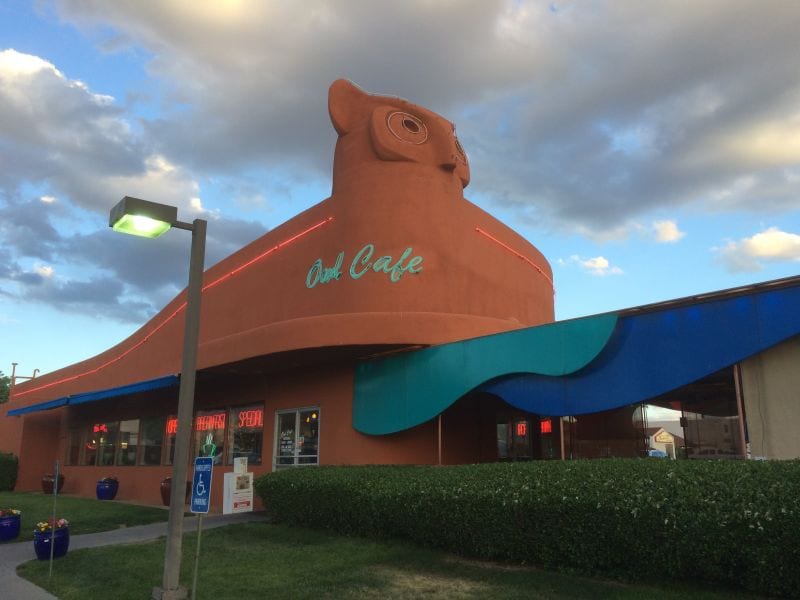
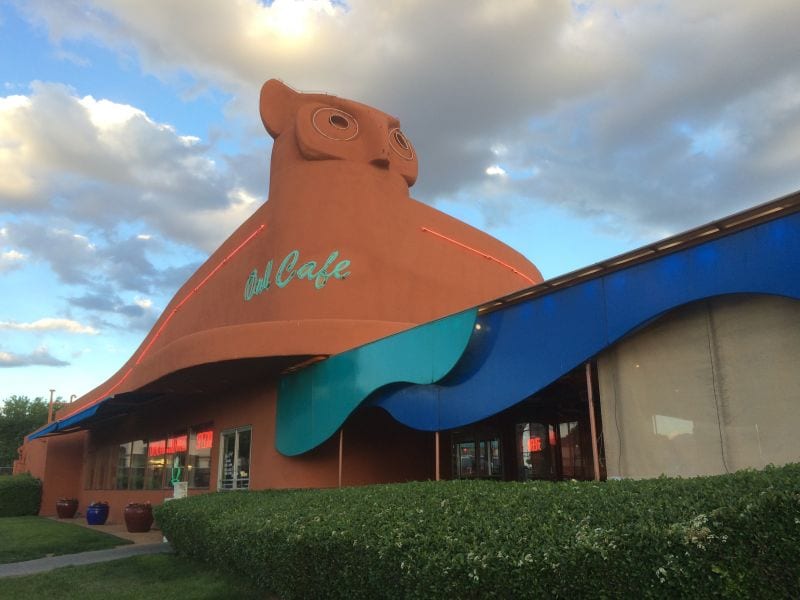
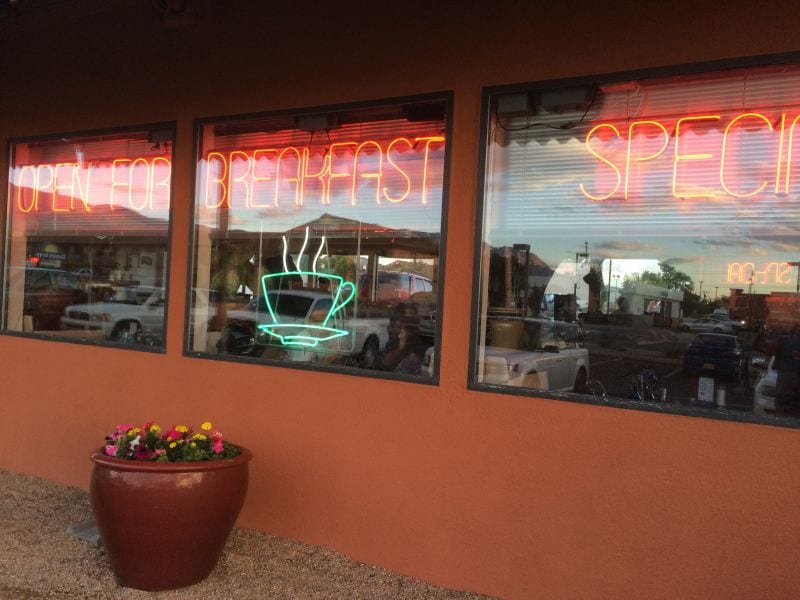
The Owl Cafe in Albuquerque has a menu with all the favorites; burgers, hot dogs, enchiladas, chicken fried steak with mashed potatoes and gravy, shakes and soft drinks, cherry pie. There is no attempt at sprouts, kale, broccoli, vegan or low fat fare. Occasionally the restaurant parking lot is full of 1950’s car shows and neon lights on the owl come on in early summer evenings when softball games start at Los Altos Park across the street.
Presiding over the Cafe, on the roof, is an Owl that you can see from blocks away as well as from I-40 that takes people across country heading east or west.
Owls have a reputation for being wise. It seems, though, that they should be well down on the bird IQ list. When you stay up all night and live off small rodents you are not radiating intelligence.
This guy never sleeps and when ambulances blast past on the Interstate, his eyes simply blink.
If he were truly wise, he would never be surprised, and, never blink.
The Sandia Peak Tram has been with us fifty years.
According to our tram operator there are 600,000 patrons each year and the only time the tram shuts down is when the wind blows over fifty miles per hour or threatening lightning storms are close.
The tram has been stuck in the middle of its run a few times when electric went out or a fuse blew, but the operator doesn’t say anything about an incident years ago that had people lowered by ropes from the tram car to the desert floor. In the summer, the ride makes mountain views and hiking easily accessible. In the winter, skiers can go directly to Sandia mountain ski lifts without having to drive the back side of the mountain up winding narrow snow packed mountain roads.
The idea for the tram came from a man named Robert Nordstrum, and his friend Ben Abruzzo. Mr. Nordstrum went to Europe and decided to bring a tram to Albuquerque. There were technical challenges but the tram has become a part of our community. Abruzzo started the Albuquerque Balloon Festival that maintains a world reputation and brings thousands to the city each fall.
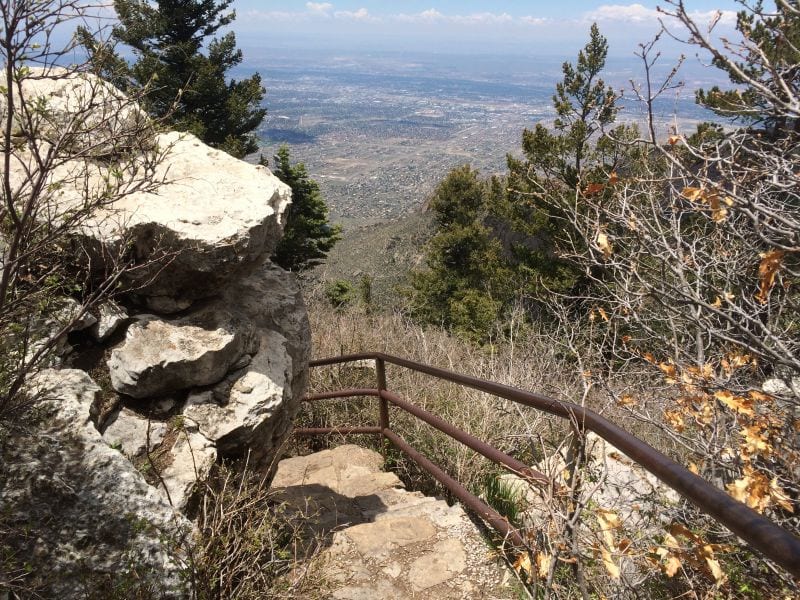
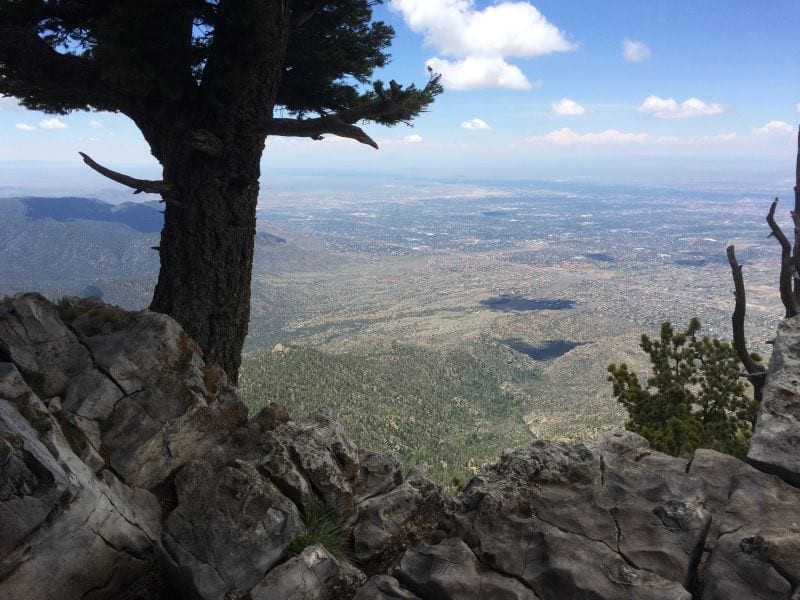
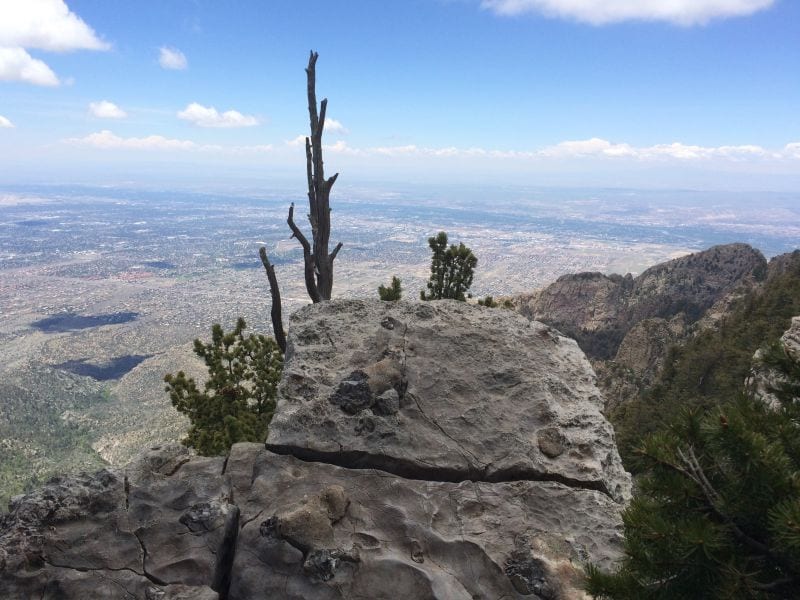
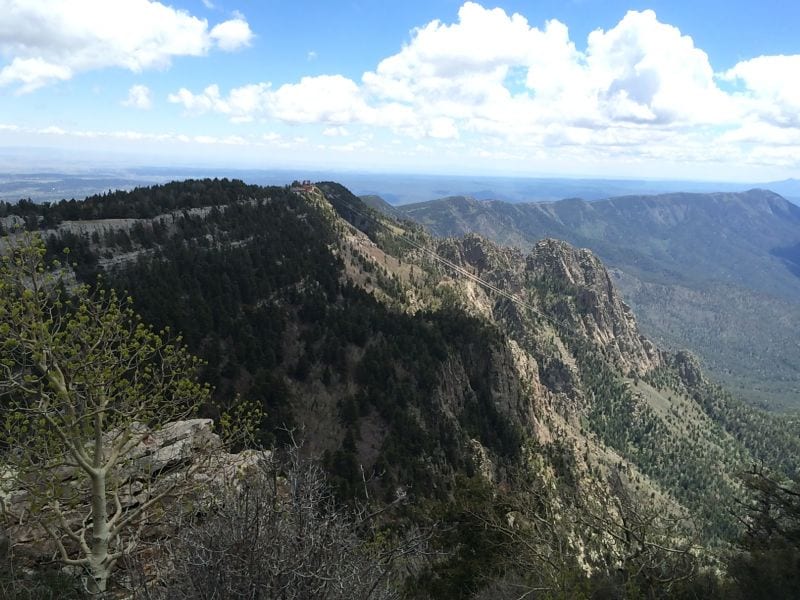
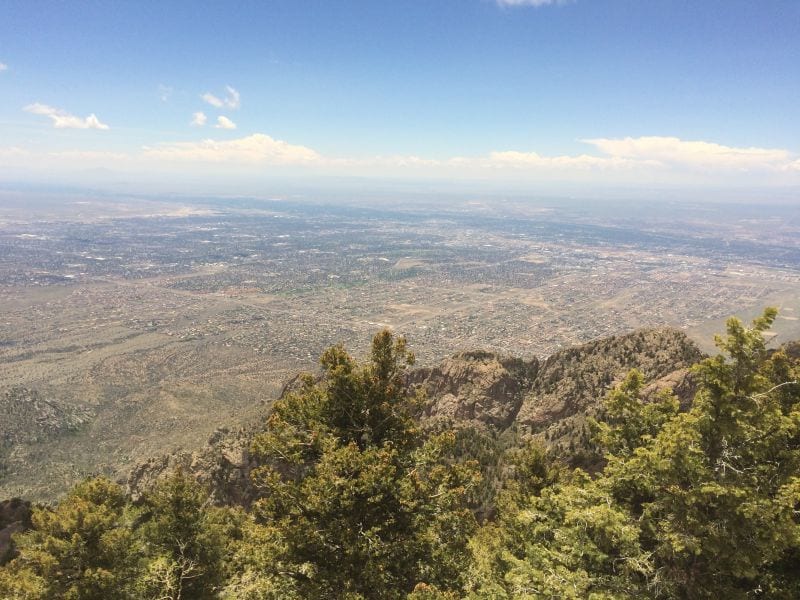
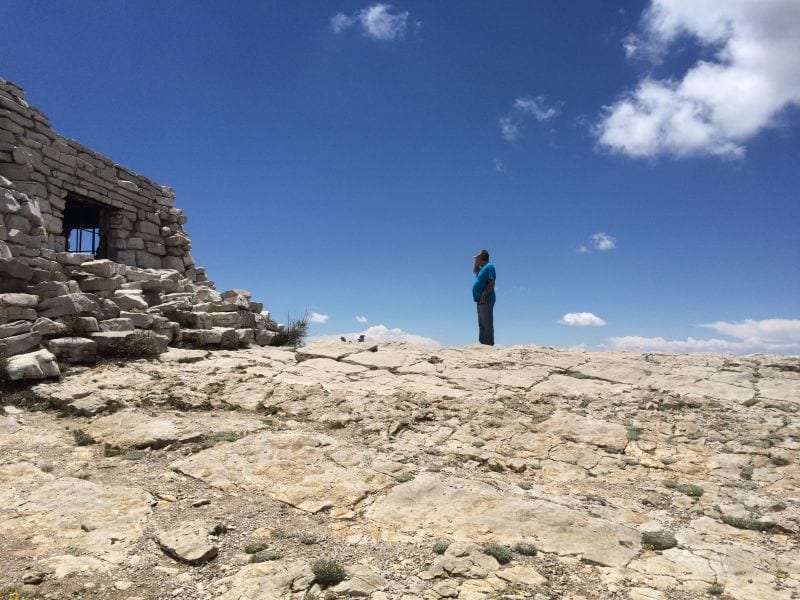
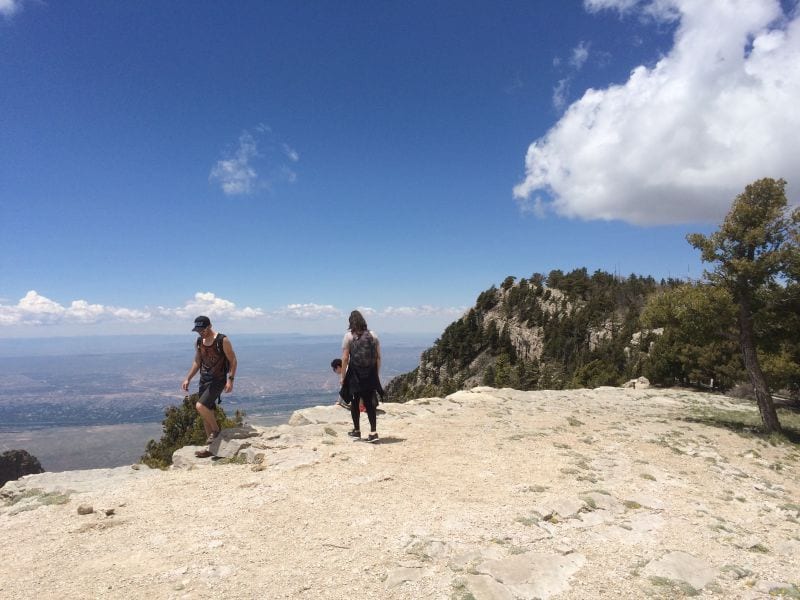
This afternoon Robert, a friend, looks over the edge of the cliff. We are going to hike the trail that goes from the Tram to the top of Sandia Crest.
From up here, looking out, like ancient man, – my issues don’t look as important as I thought they were.
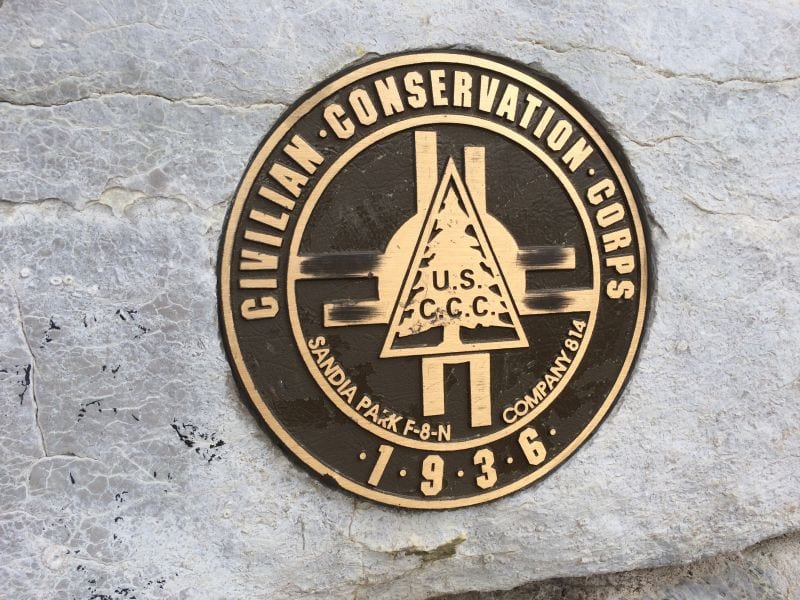
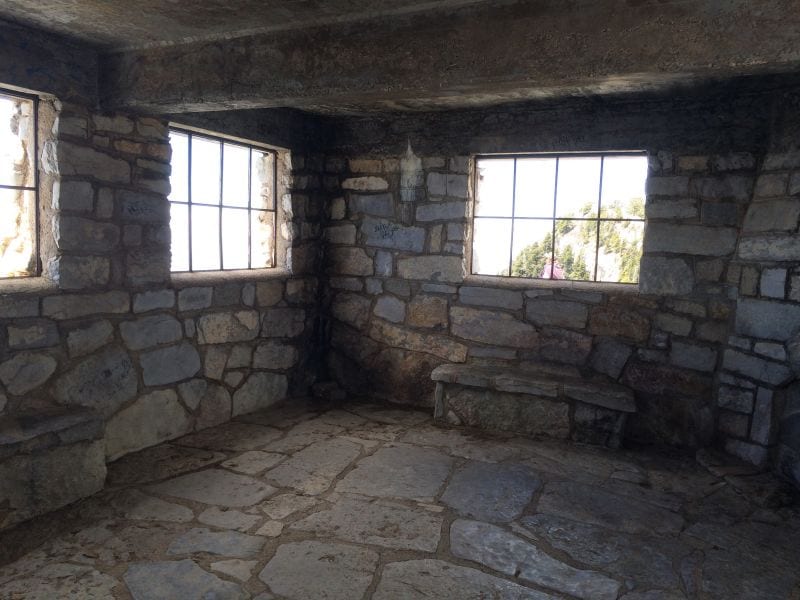
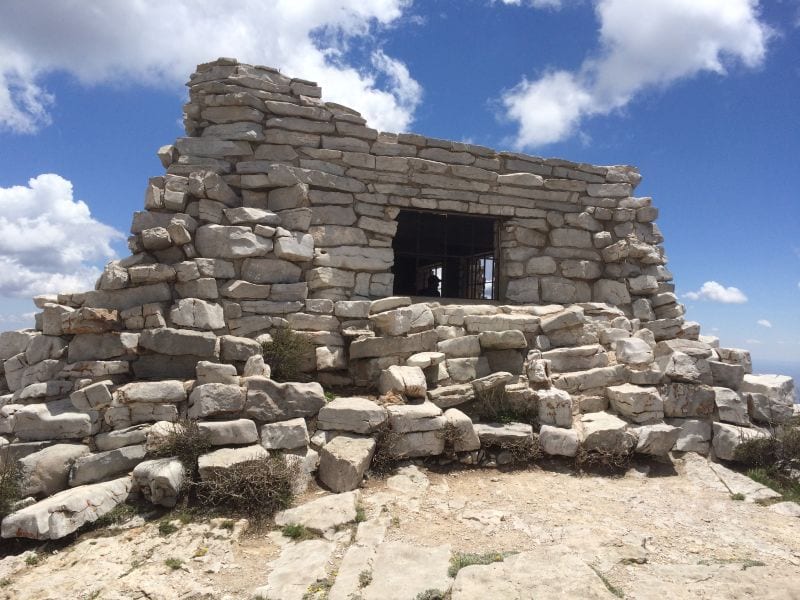
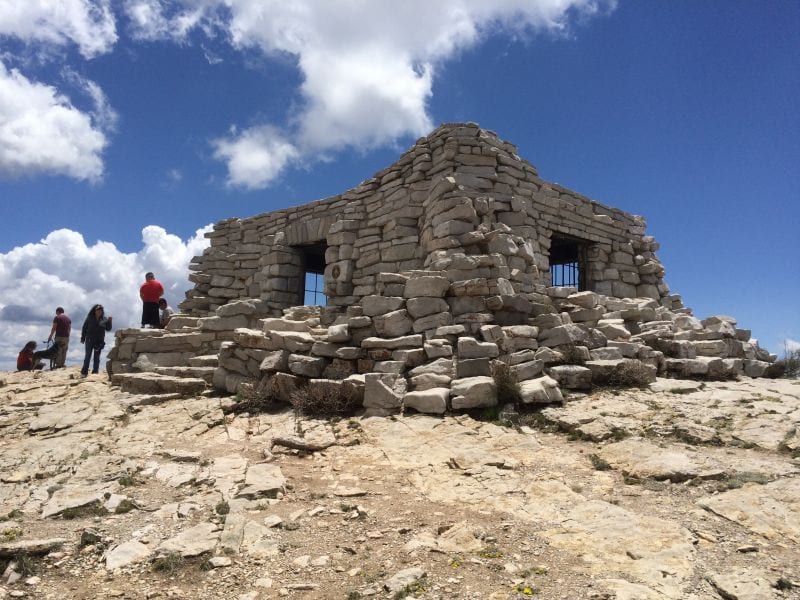
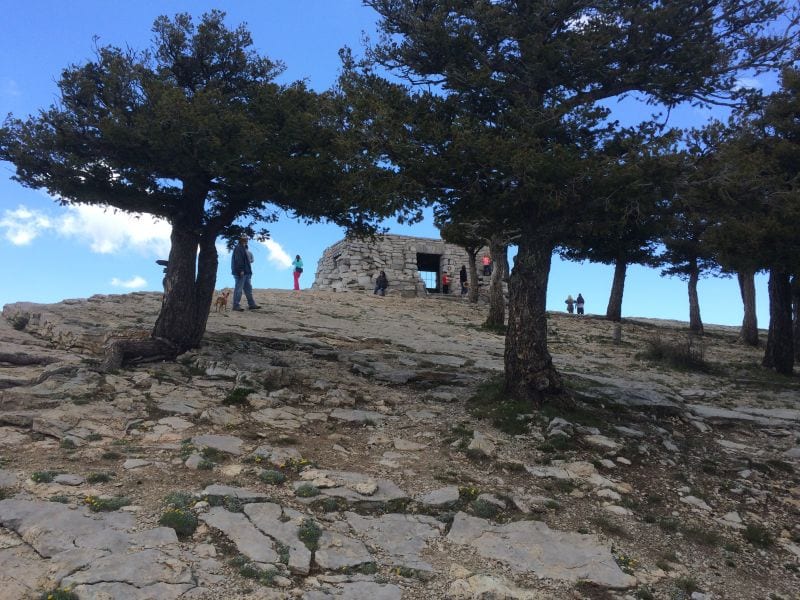
On top of Sandia Peak is a rock house built in the 1930’s by the Civilian Conservation Corp. Coming out of a government prolonged Depression, the CCC was created to provide relief to unemployed men by the U.S. Congress and F.D.R.
During a short decade, over 300,000 young men got a place to stay, food to eat, and a small salary for working on public projects. They upgraded services in rural areas, built and upgraded National Parks, helped build Hoover Dam and the Golden Gate Bridge, gained dignity in hard times. This program was one of the more popular out of Roosevelt’s New Deal but it was shut down, unfunded, when World War 2 provided more grim employment possibilities.
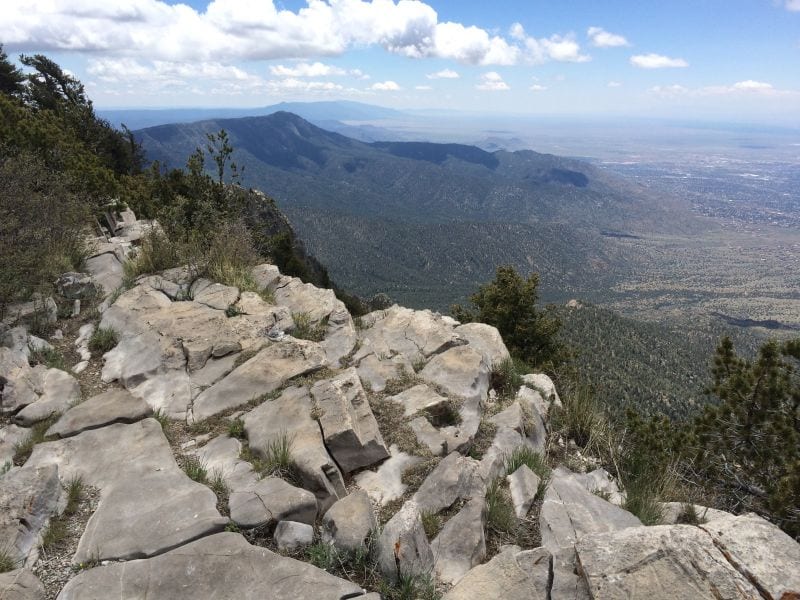
The rock house, which would make Fred and Wilma Flintstone a nice vacation home, is perched on the edge of Sandia cliff with a million dollar view of Albuquerque. To the west is the Rio Grande river. To the north is the Sandia Indian Casino and golf course. In the middle of town is an eight story bank building at San Mateo and Central, the original Albuquerque skyscraper. To the south is Sandia Labs that engineers weapons and conducts weapons research, and Kirtland Air Force Base, storage home for nukes.
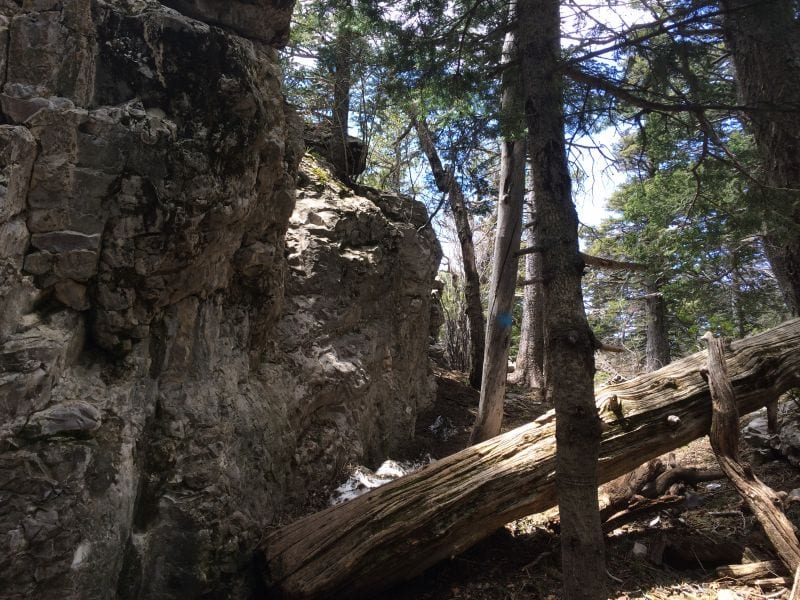
This afternoon there are scattered hikers and curious on the promontory. The rock house is a mile and a half hike from the visitor center and tram and there are small pockets of snow left in shaded areas by fallen logs or clusters of granite boulders.
Unemployment is still with us, a stubborn reality.
Finding men and women to join the CCC would be difficult these days.
Picking up your check at the mailbox is much easier than stacking stones.
In all four corners of our state, as well as the middle, we have sovereign Indian nations who have land,an ancient culture, designer golf courses, hotels, and casinos.
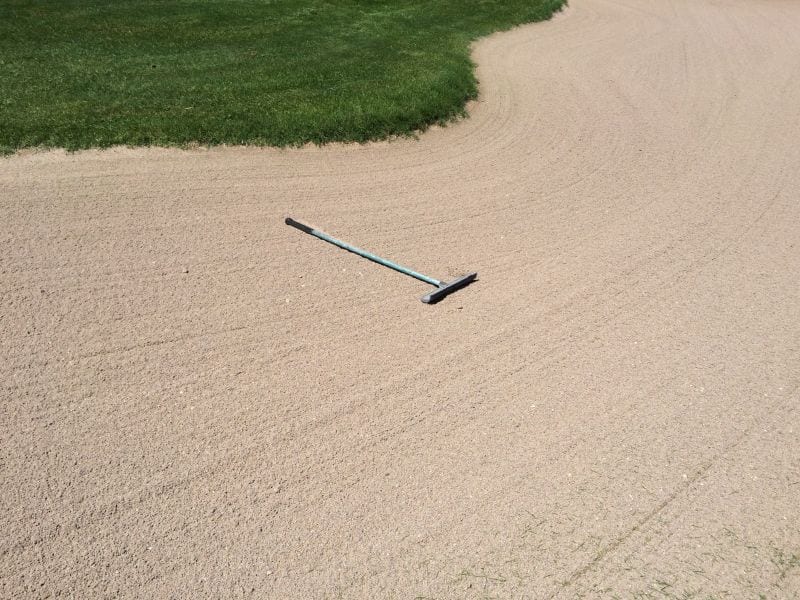
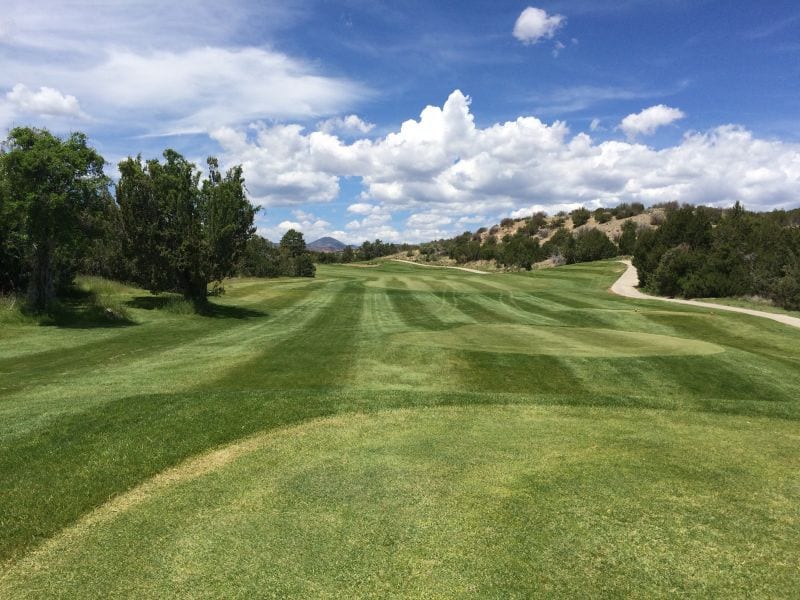
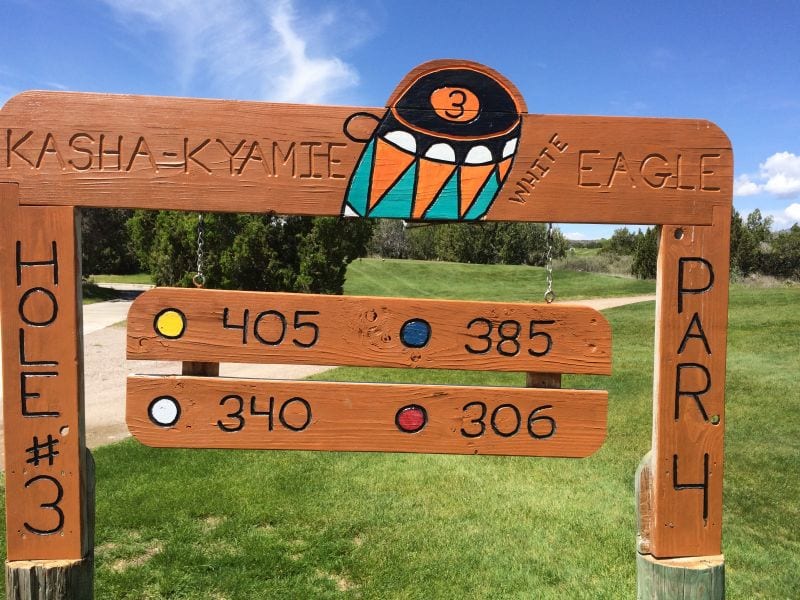
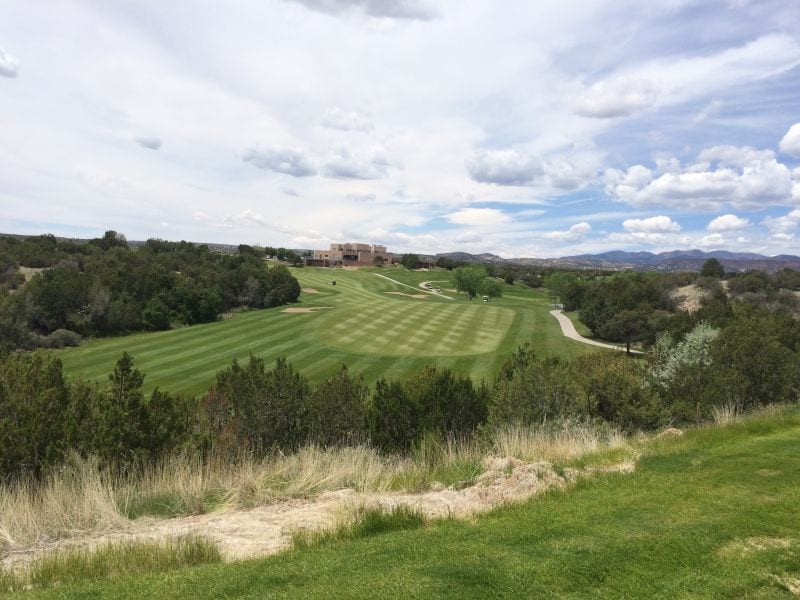
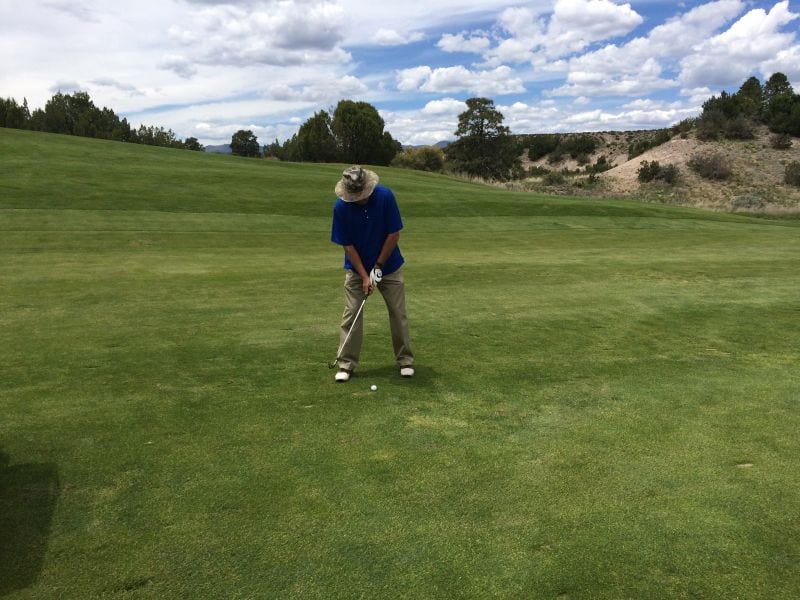
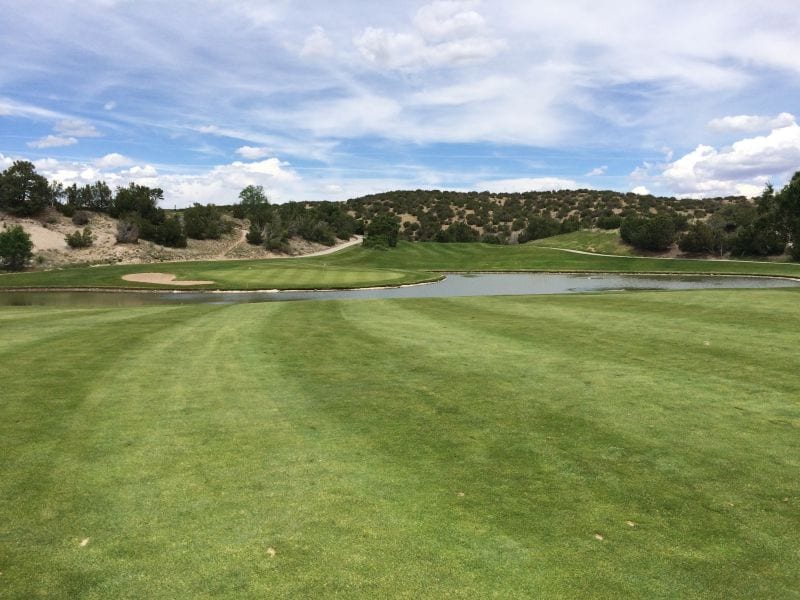
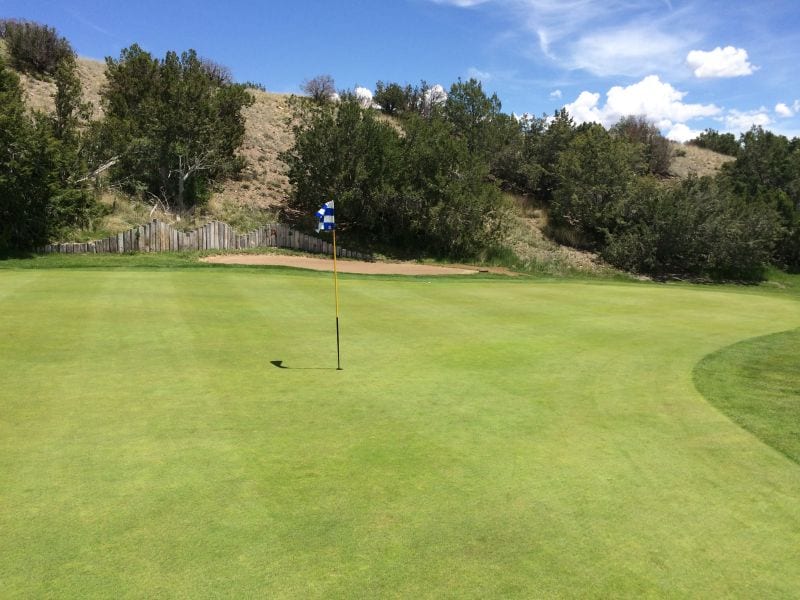
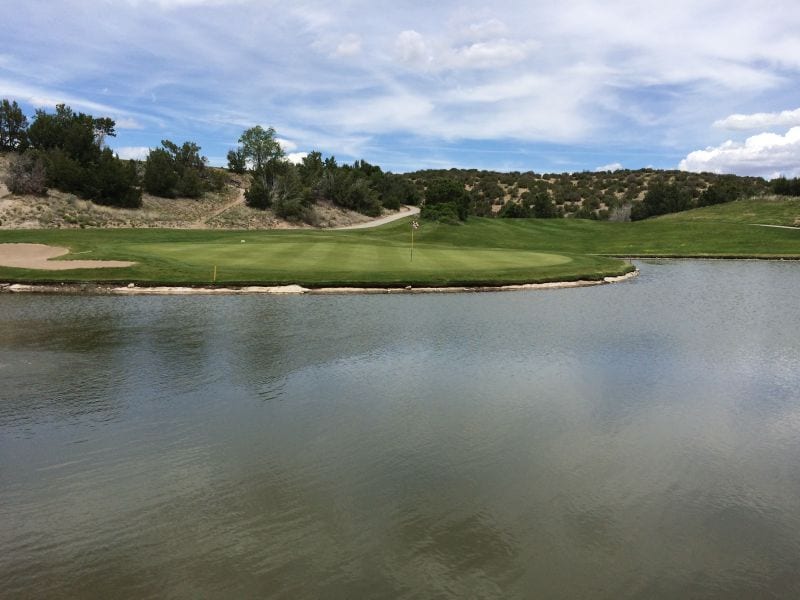
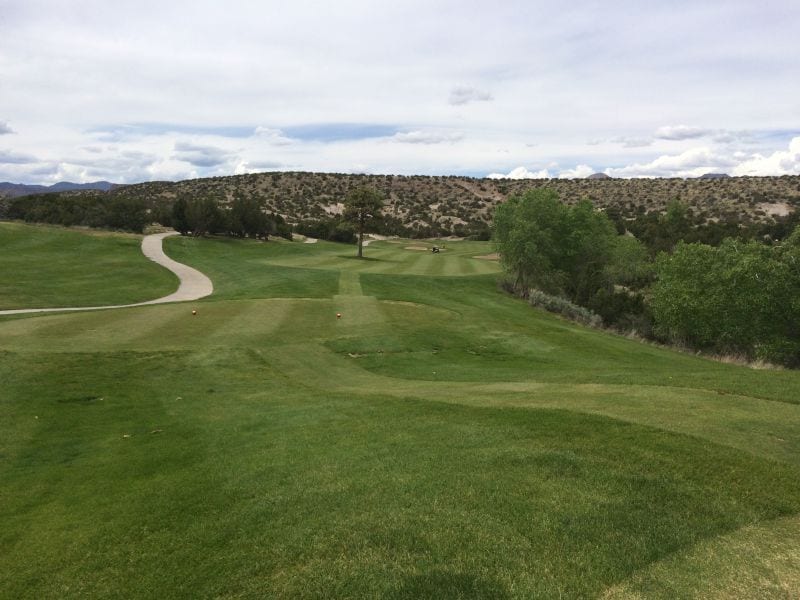
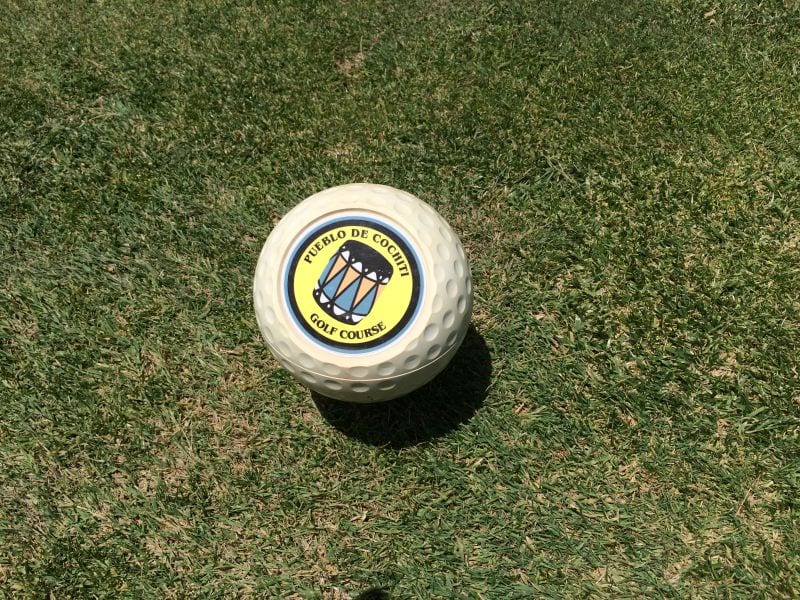
The Pueblo of Cochiti is a thirty minute drive from Albuquerque along I- 25 to Santa Fe. Before you get to La Bajada Hill you turn off, skirt Cochiti Lake, and come to a Robert Trent Jones Architects designed golf course nestled in canyons in the heart of their reservation.
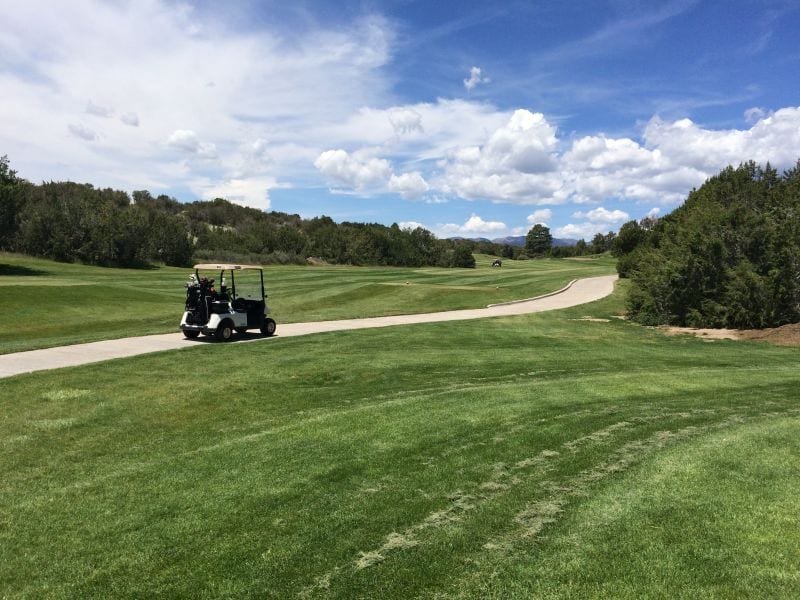
On Wednesday, the course isn’t crowded and Richard and I get on without a tee time.
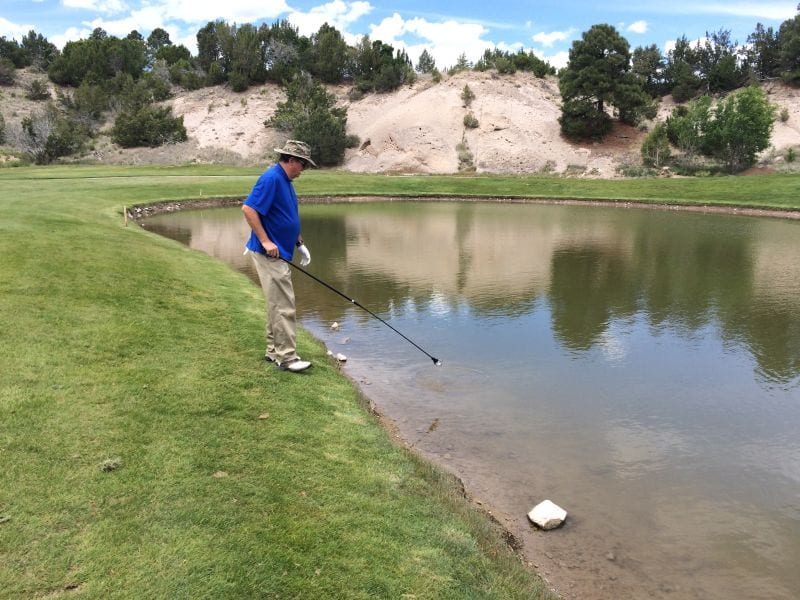
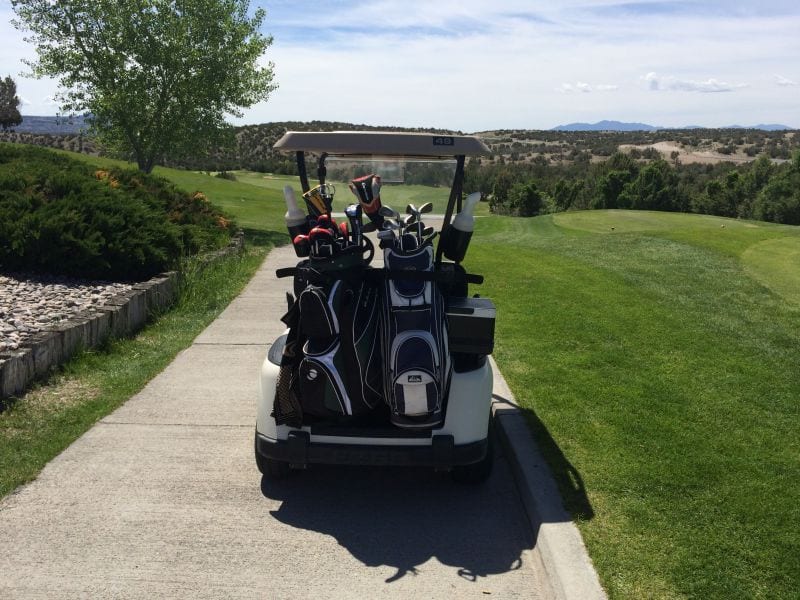
This course requires straight drives, good putting, and a torrid short game. If you stray from fairways you lose your ball in snake country. When you are on the course you are lost in nature. Cell phones don’t work. The internet is inaccessible. Clouds pop up like snowflakes – no two alike.
This course seems made for heaven.
It doesn’t seem frivolous to believe angels play here regular, their bags in the back of carts and their wings tucked close to their bodies so they can maintain the proper swing plane. They play at night under the moon, watched by coyotes, and never use the Lord’s name in vain.


Recent Comments