On Sunday, I hear church bells.
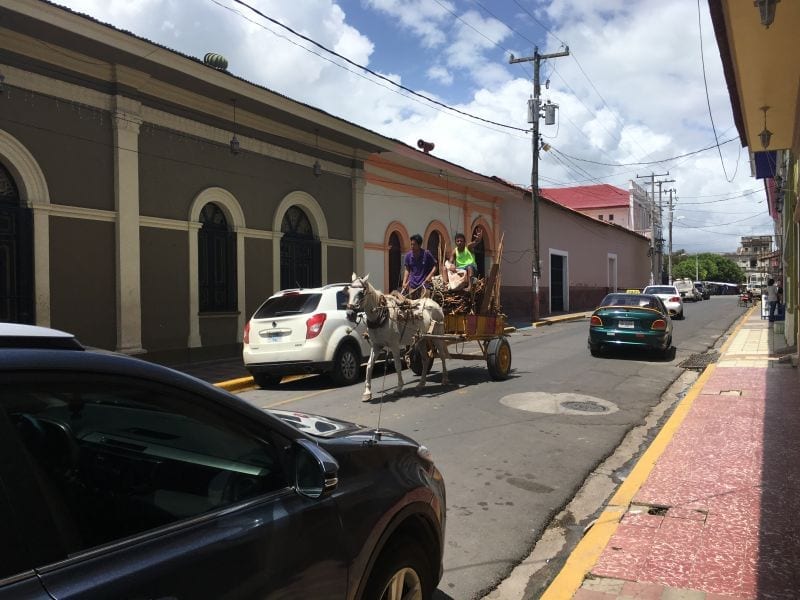
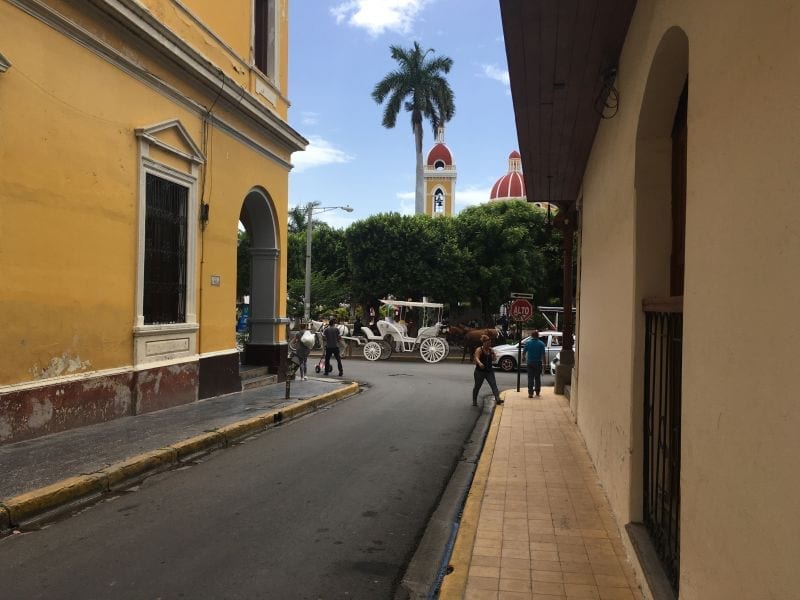
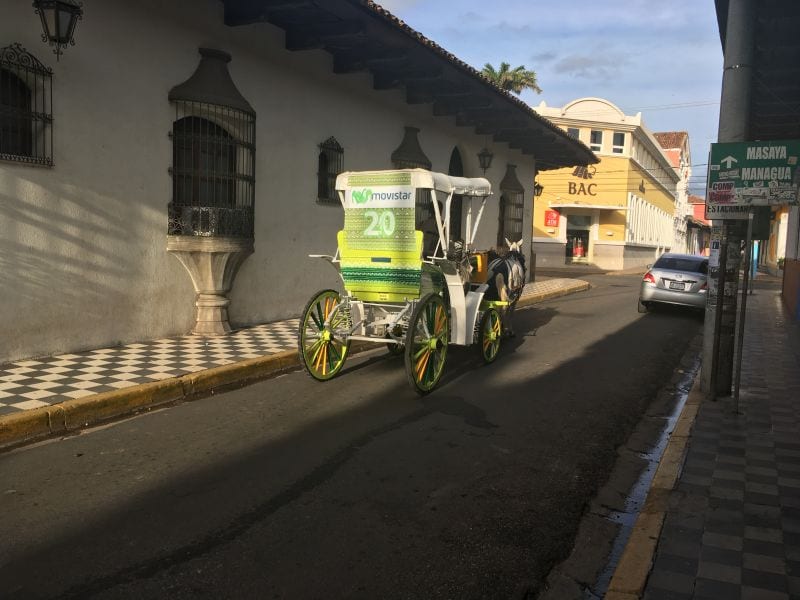
Citizens stay close to home and tourists are carried through empty streets in horse drawn carriages with flowers braided in the horse’s manes .A few retail stores are open around the plaza and taxi’s lollygag in front of hotels.Waiters stand in their dining rooms watching soccer on television. Moms and dads tend to children and older parents.
On Monday, the sounds change.
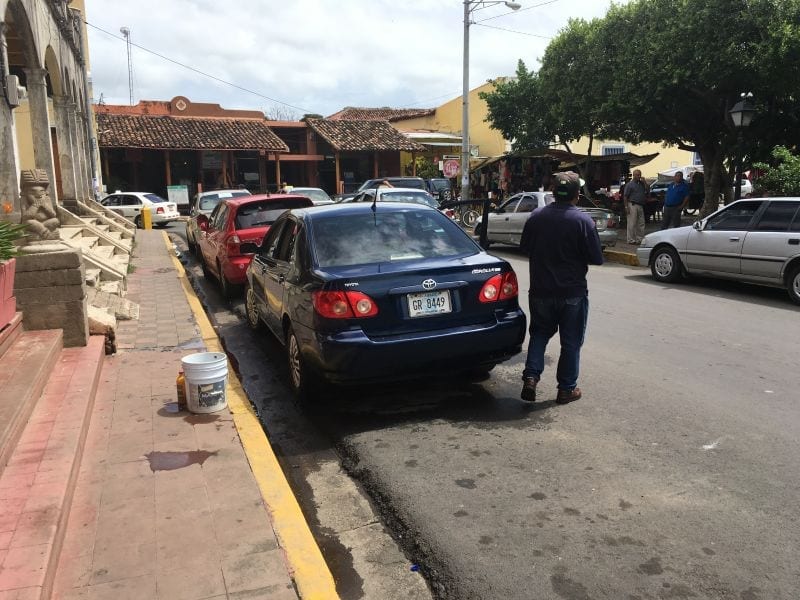
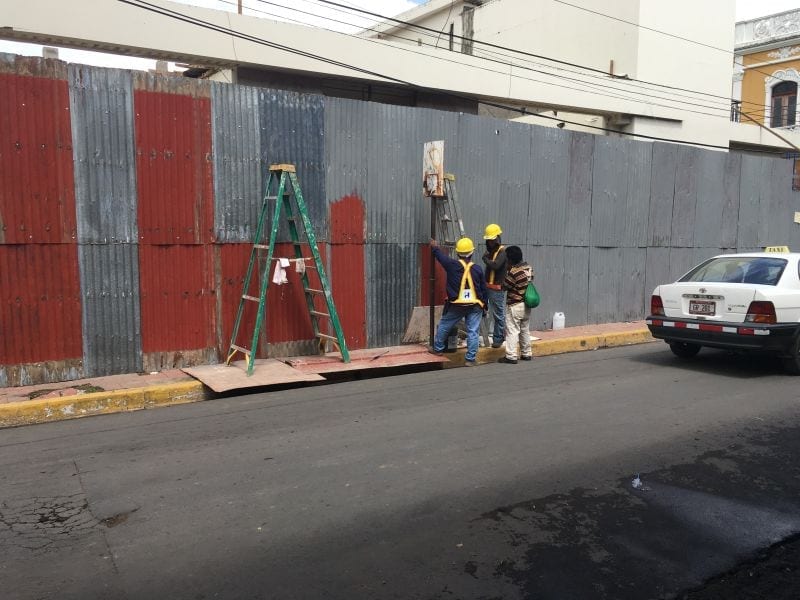
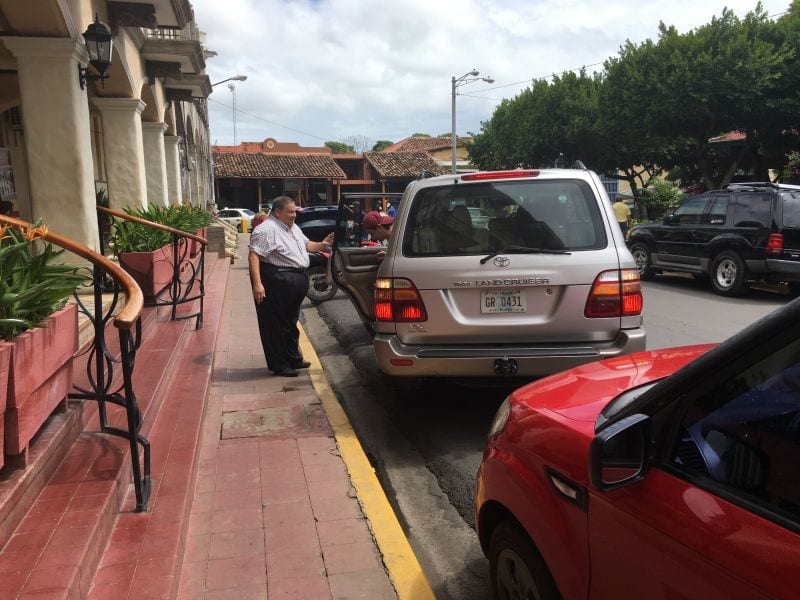
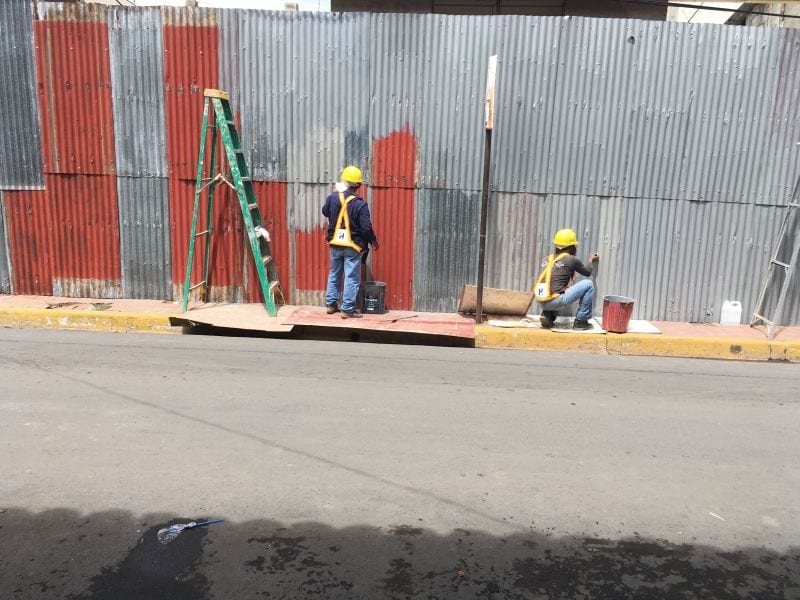
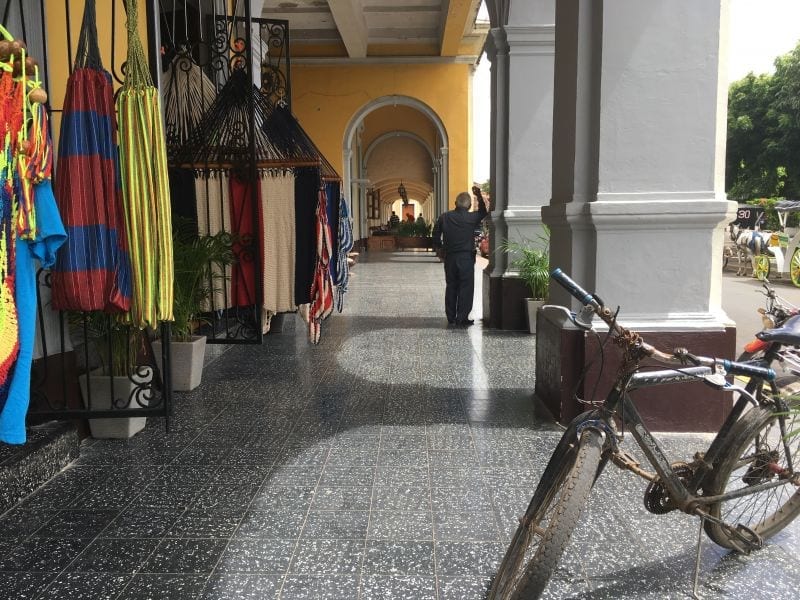
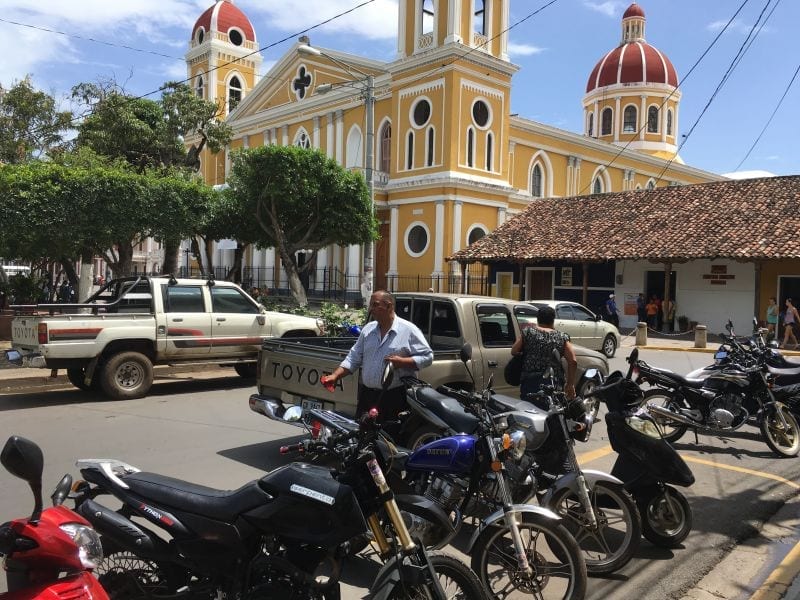
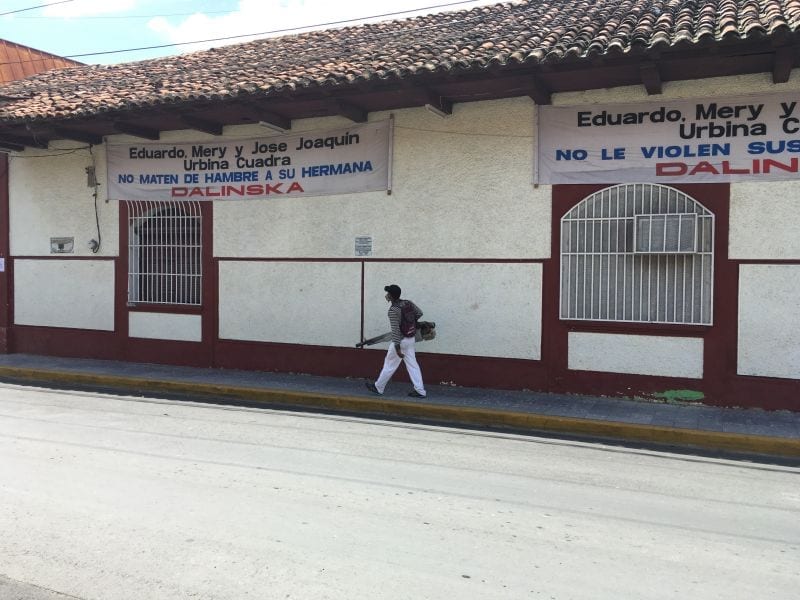
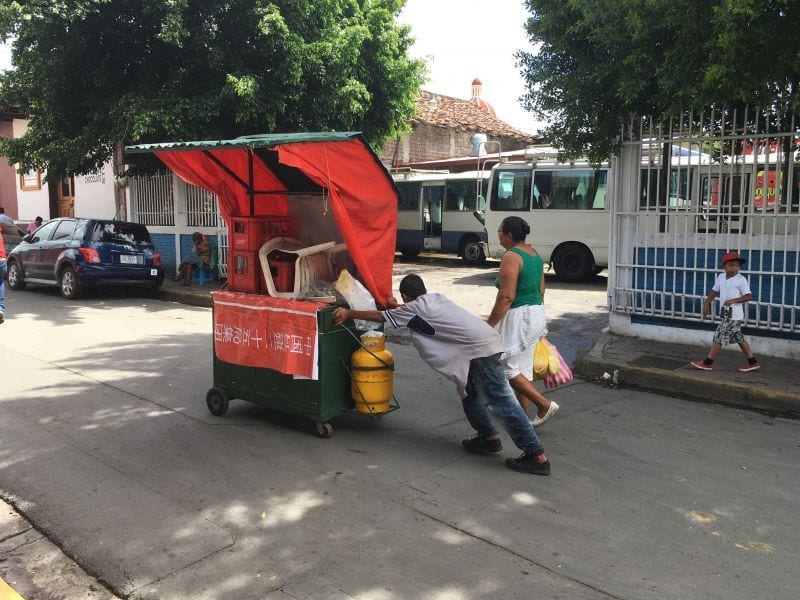
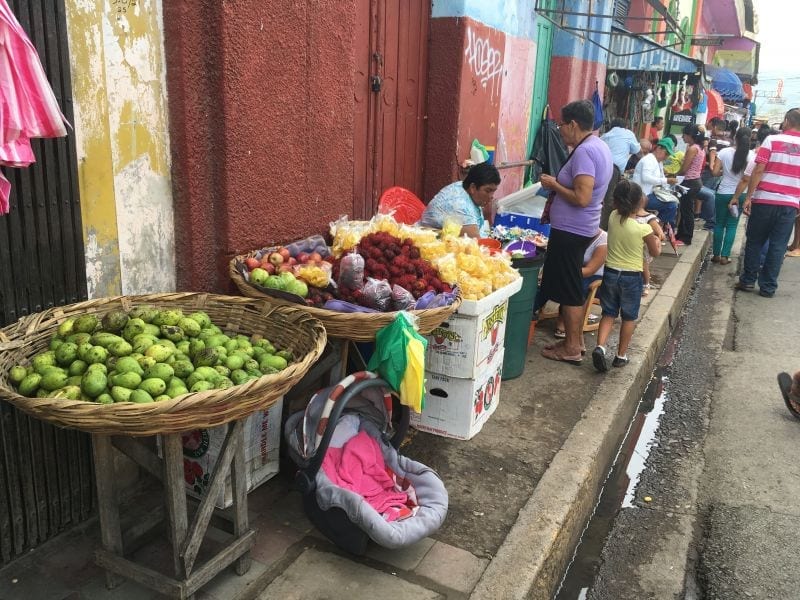
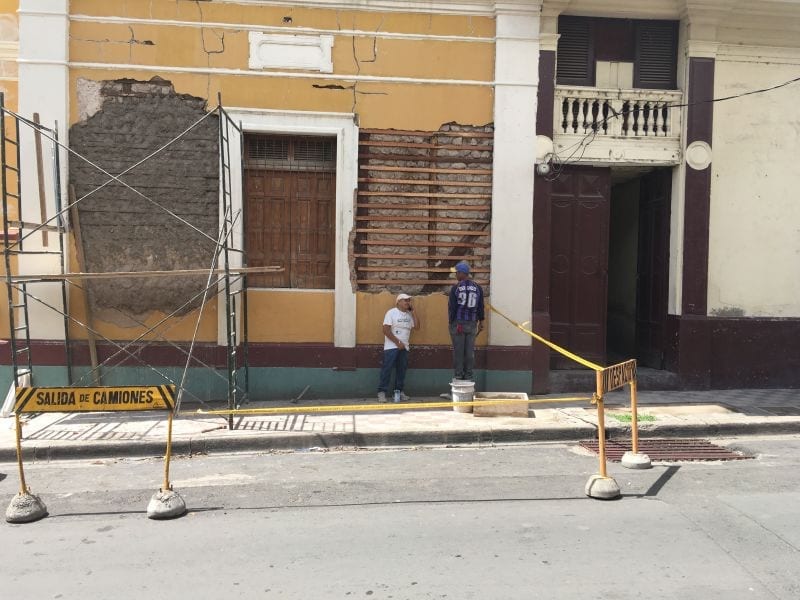
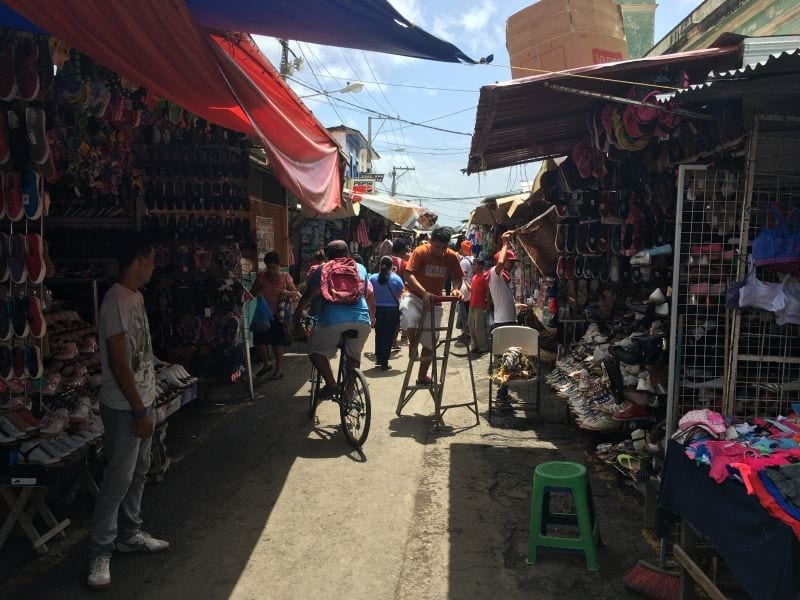
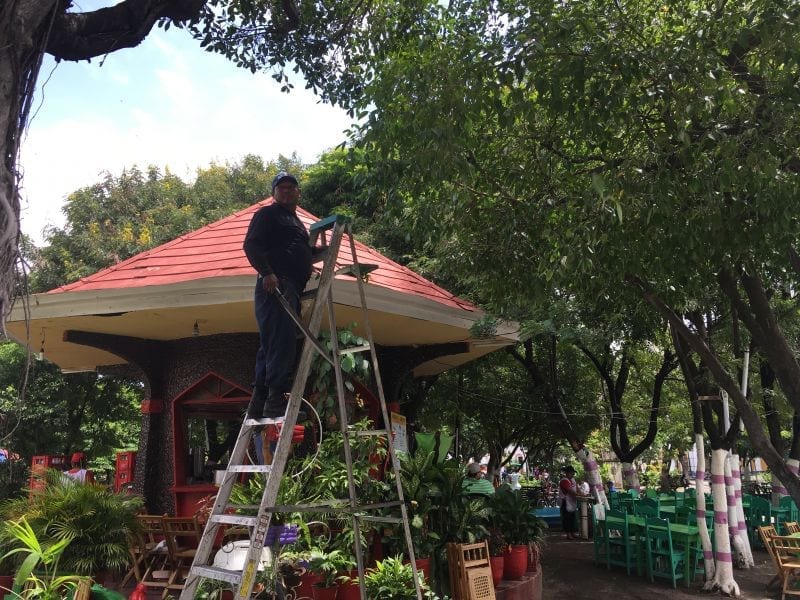
On Monday, there is a great flowing of people out of their homes and sidewalks become outdoor grocery stores with baskets, buckets, wheelbarrows filled with beans, berries, apples, citrus, lettuce, rice and staples. Workmen carry scaffolding, pick up paint brushes, swing machetes, keep streets swept clear of trash. Everywhere there are people in motion, bright colors, conversations, money changing hands for goods and services.
According to facts, Nicaragua is one the world’s poorest countries.Only a third of children finish primary school and much of the population stay poor. It is a country of great natural wonders and biodiversity and is visited by tourists from around the globe. Nicaraguan’s value family and are famous for their hospitality. Their culture is one of European, African, and Caribbean influences.On Monday, I start in line at a BAC bank changing two five hundred Cordoba notes just pulled from their ATM machine because local merchants are reticent to take them. There are seven people ahead of me doing bank business and next time I will use the money changer in the street outside who wears a ball cap and has a wad of money in his right hand.A funeral proceeds down the street outside with a long line of mourners following a black hearse with white curtains in the windows to the Cemetario.On Mondays, the living get back to the job of living.
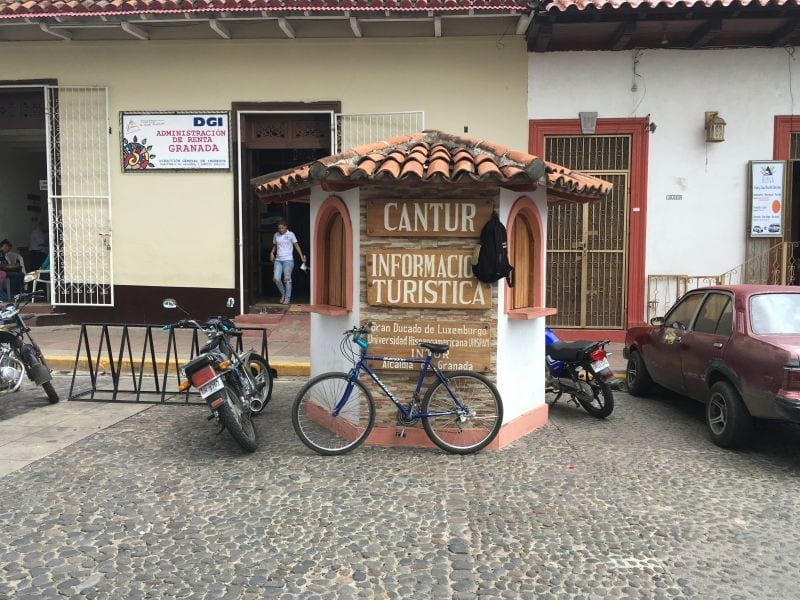
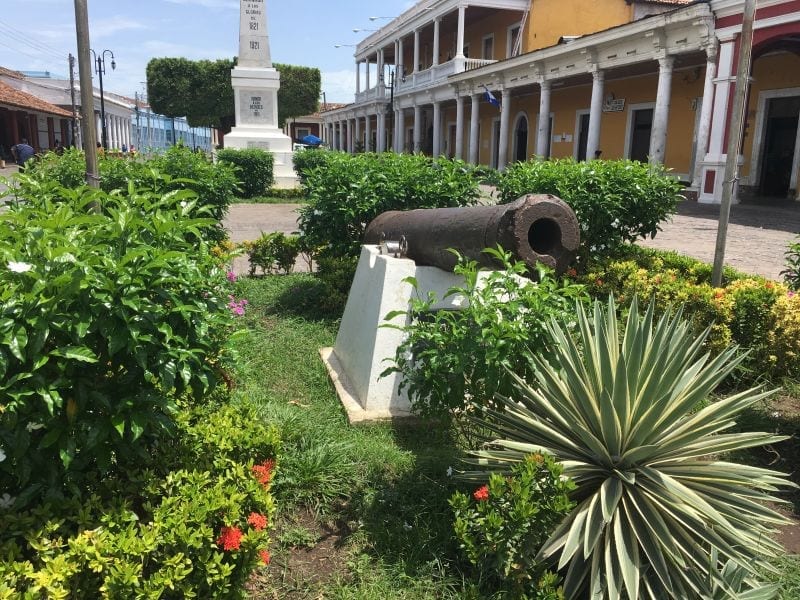
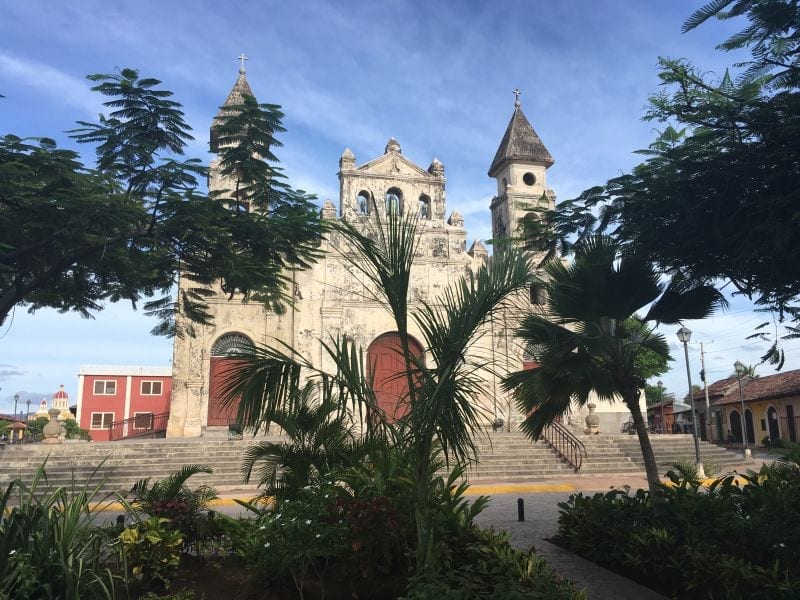
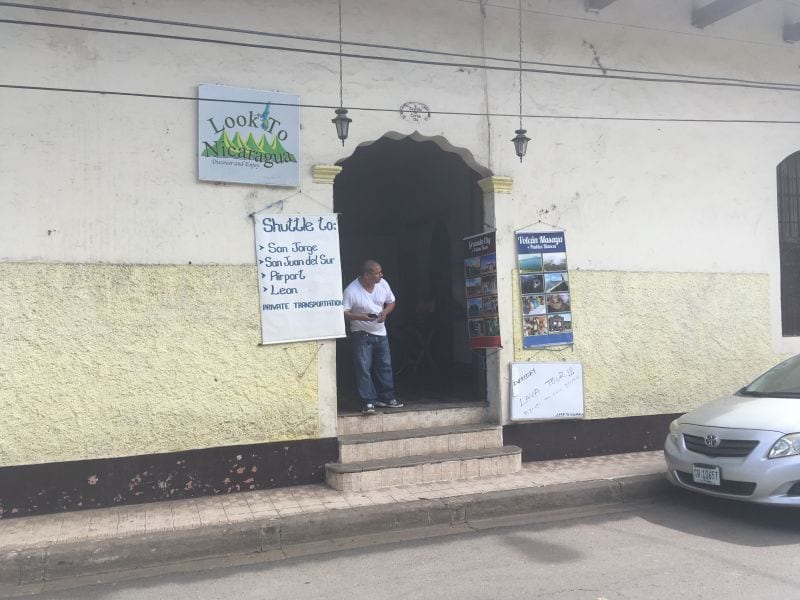
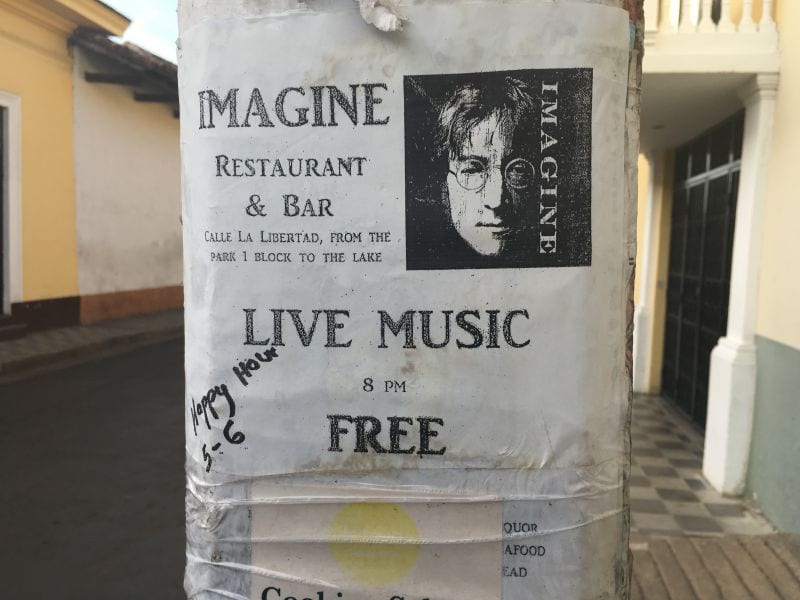
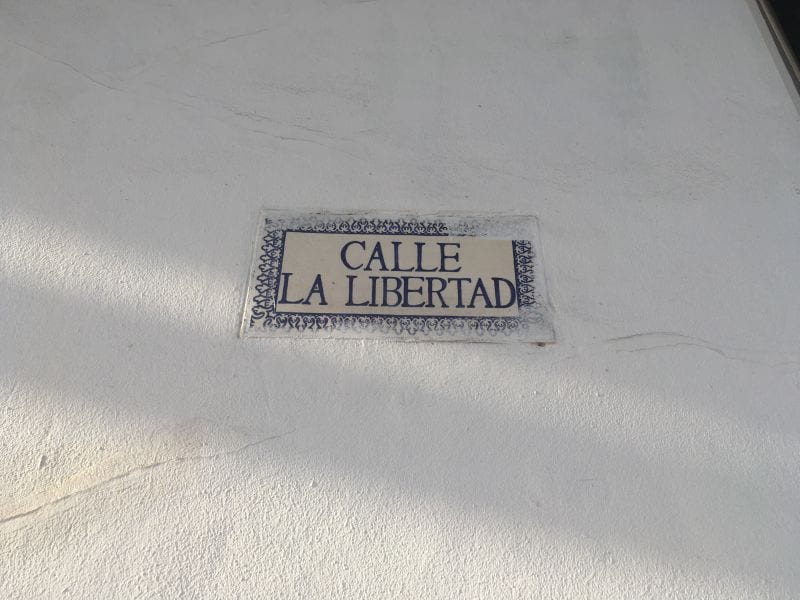
Calle la Libertidad is a main street in Granada, two blocks from the Vista Mombacho apartments, that I follow all the way to the Historical District, the main city plaza, and, at its end, Lake Nicaragua.
Soon, these streets will be teaming with life, as little fish in the city coral reef come out of hiding and dart through shafts of light that cut down through the water as the sun rises in the sky. This colorful urban reef is a painting by Monet, all individual strokes of paint combining to give shape to the ocean.
It takes time to get the melody of a place to the point you can begin humming it in your head, even longer before you can sing it.
I am here a month.
Even that might not be enough to feel I belong.
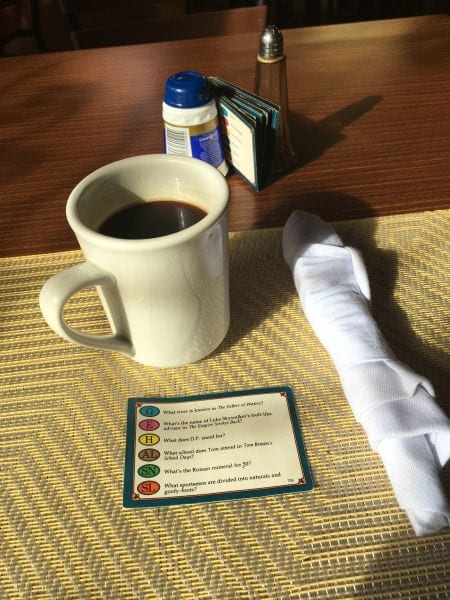
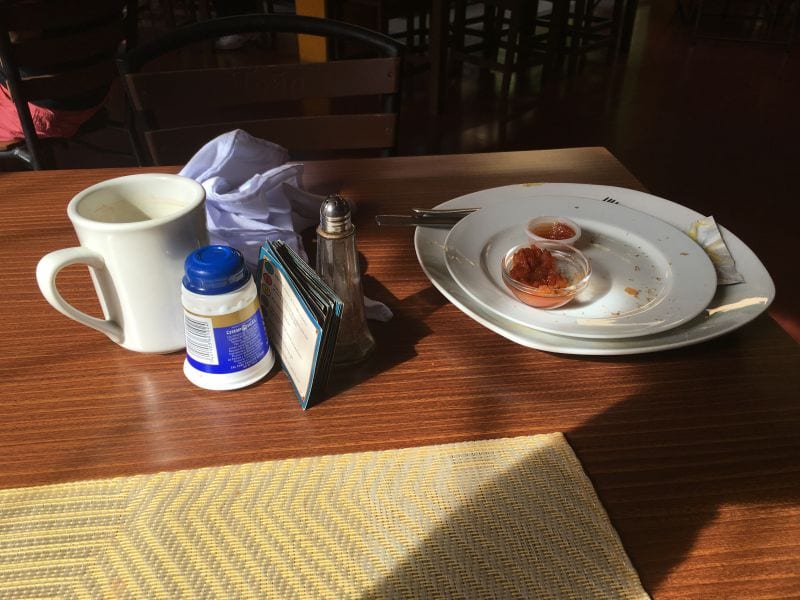
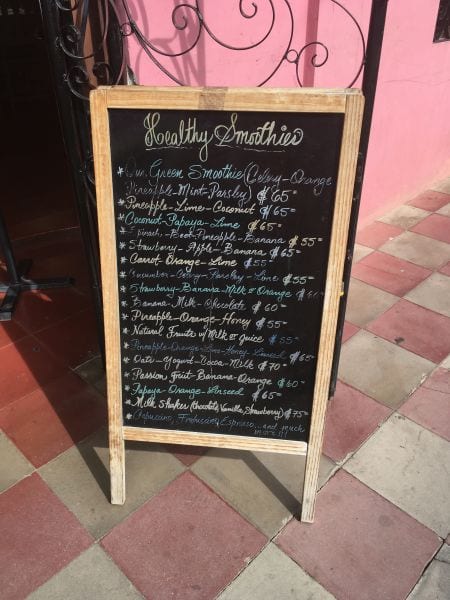
I order an omelet, toast, and black coffee.
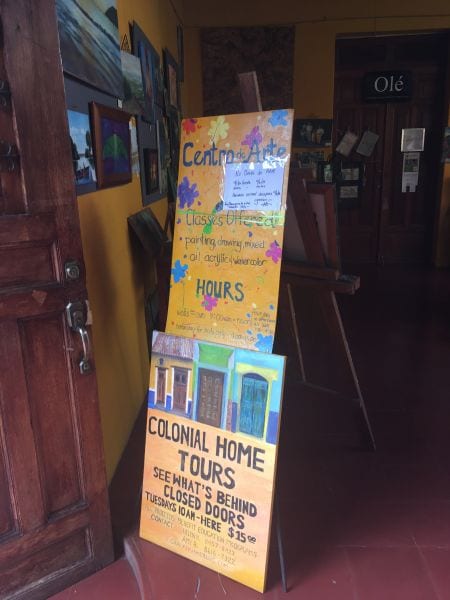
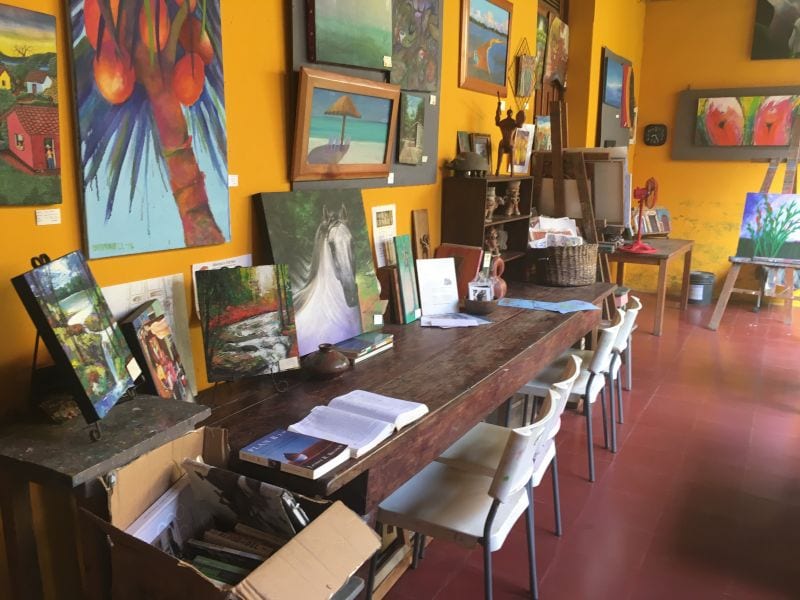
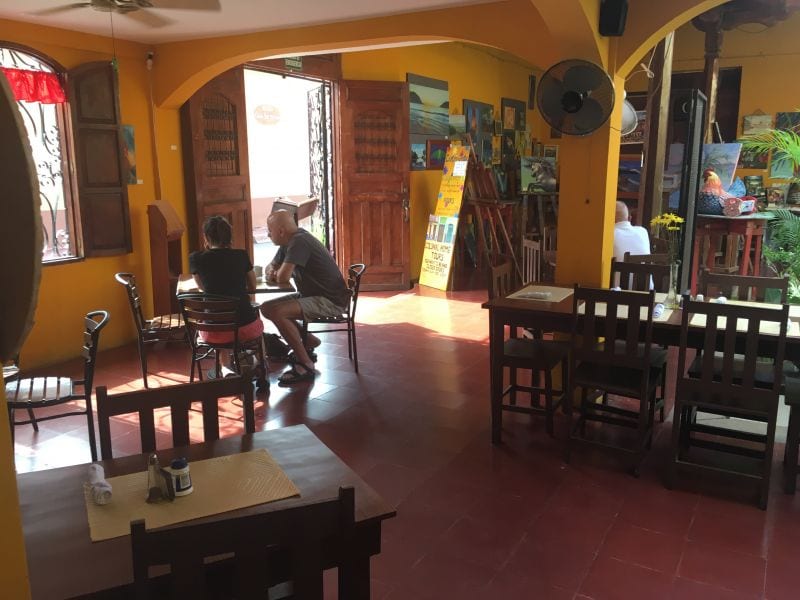
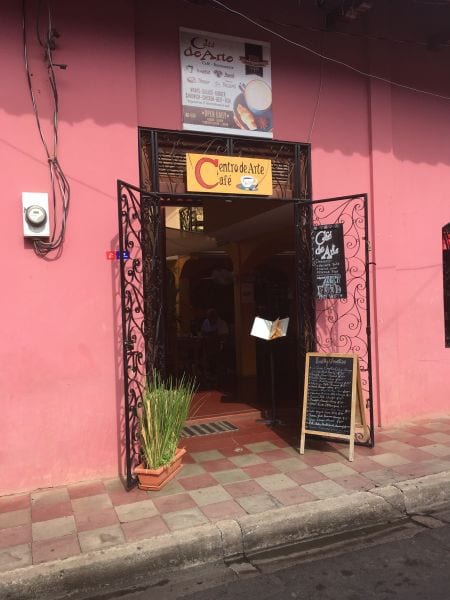
The Cafe de Arte is on a side street in the Historical District and traffic is thin this Sunday morning around seven.
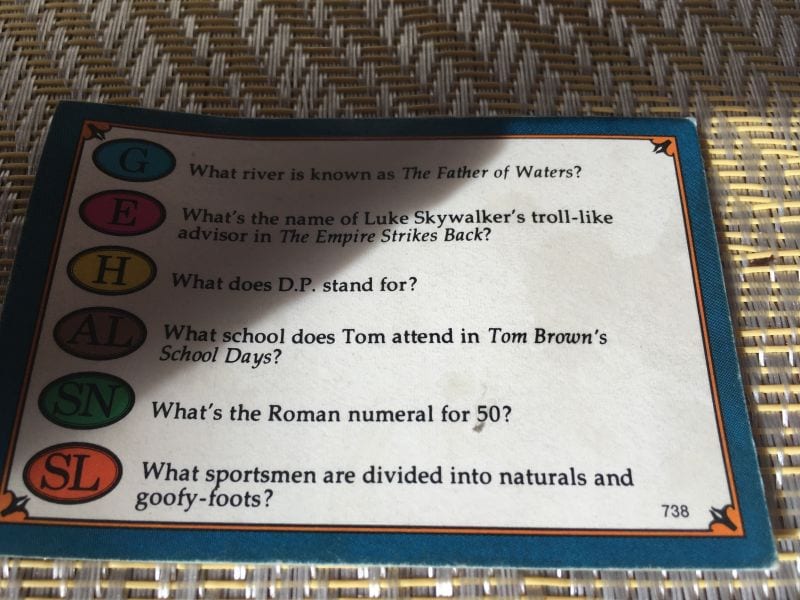
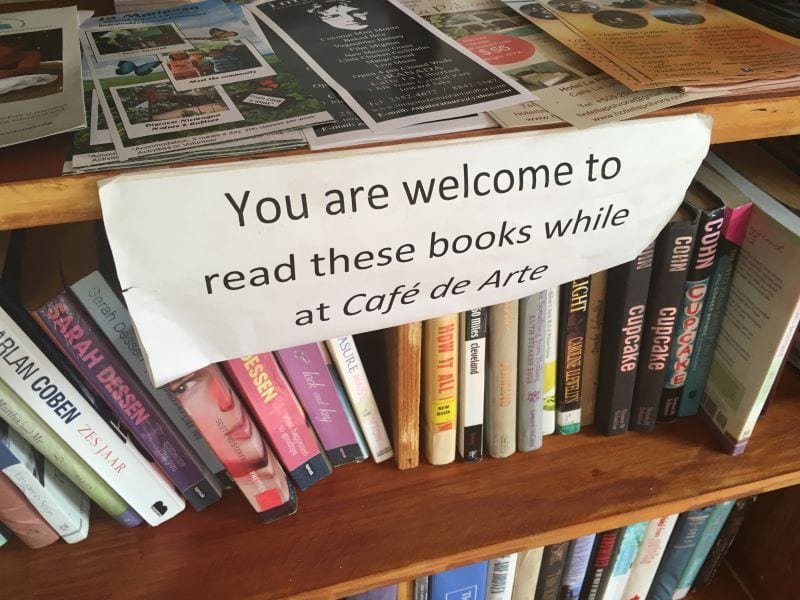
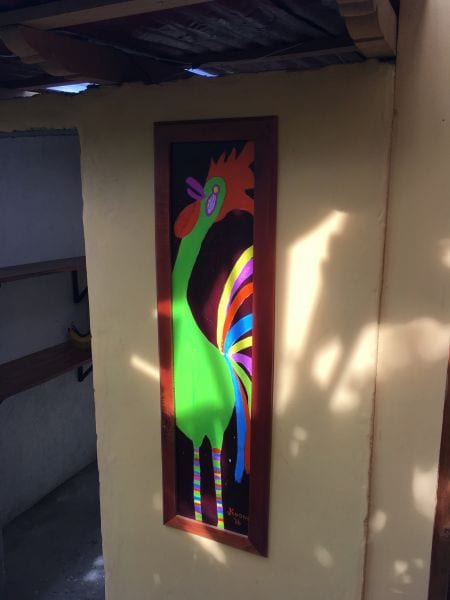
There is a bookcase near a corner of the dining area where browsers find books to go with their eggs. Displayed art, done by local folks, portray agrarian scenes and stylized portraits of life in Nicaragua. A Trip Adviser sticker on a merchandising case tells me I am not the first to patronize this eatery.
A couple enter after I have been here about ten minutes, and then another older gentleman shuffles in and takes a chair with a view out the front door.
In this place where horse drawn carriages clatter on the streets outside, couples do what they normally like to do. The old gentleman looks at his phone and connects to wifi. He has seen changes in his lifetime and one of the worst is not being able to walk without fear of falling.
Home bases and food are two things I settle on first in a new place. If I have a good home base and have a good place to eat, I am most of the way to my nirvana.
My Denver omelet in Granada, it turns out,tastes the same in Nicaragua as it does in Denver.
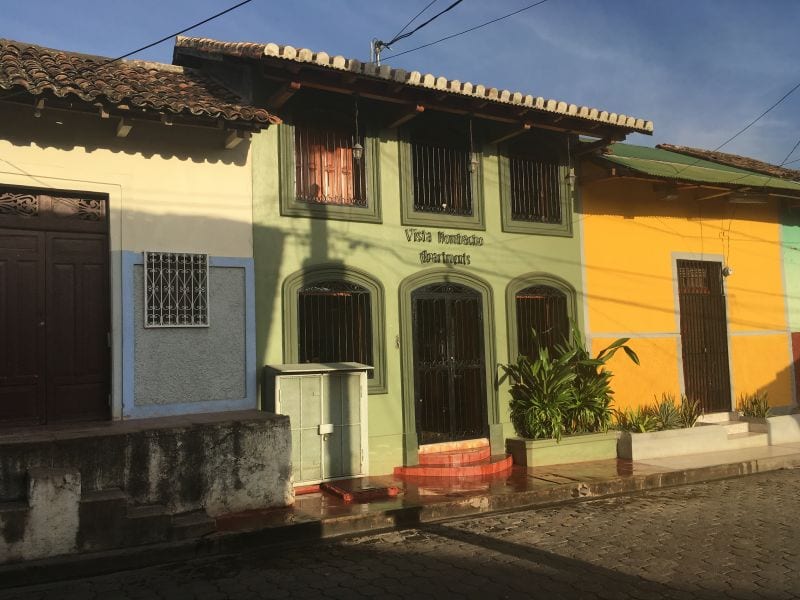
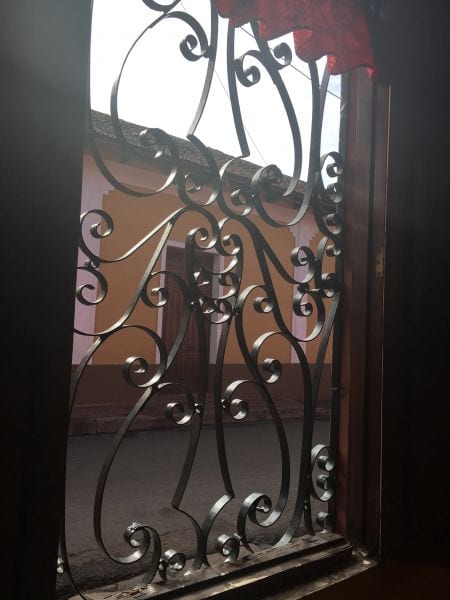
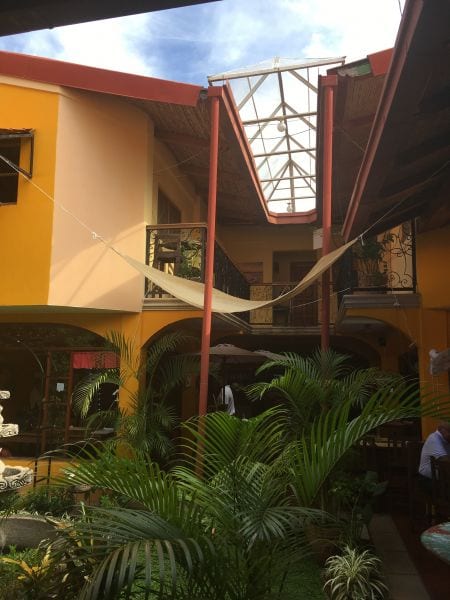
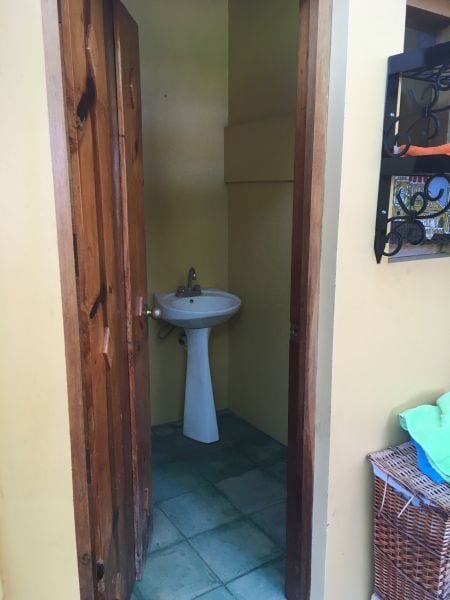
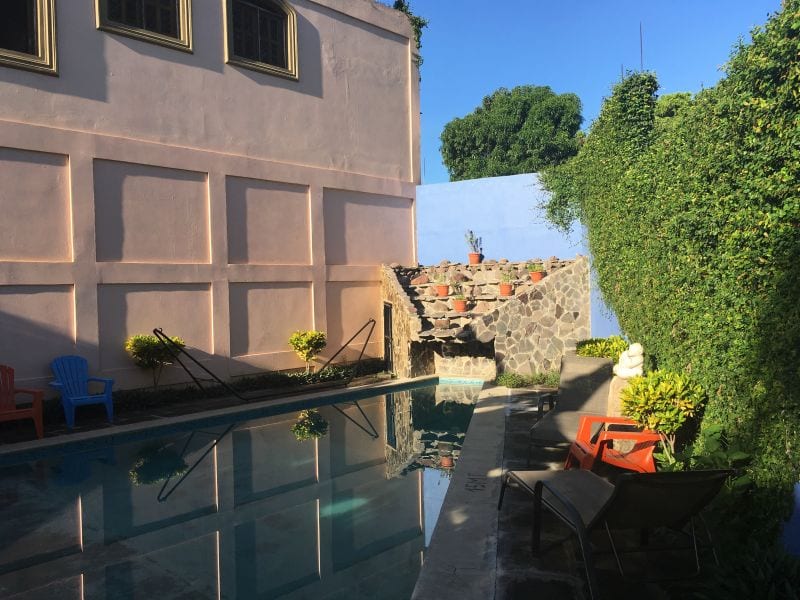
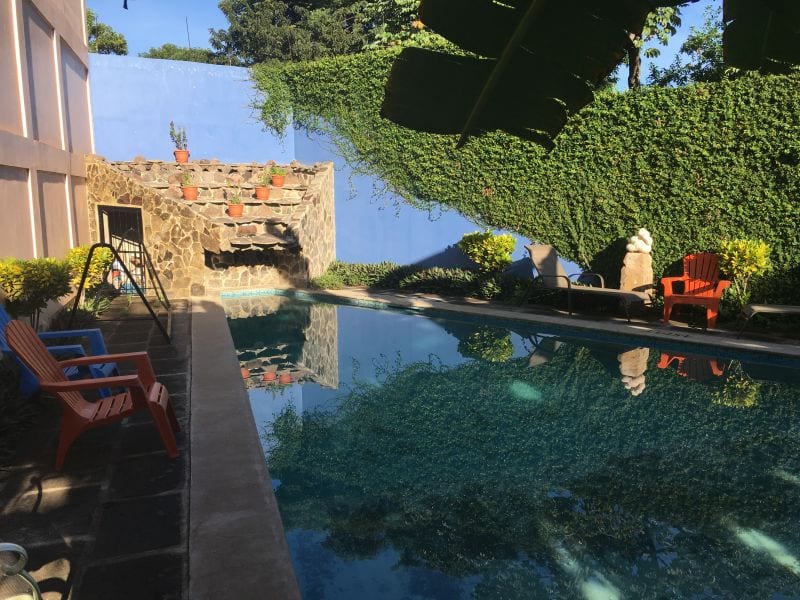
The Vista Mombacho Apartments are in a residential neighborhood in Granada. From the outside, their appearance is unspectacular, but, inside, the architecture, furnishings and decorations are nicely done.
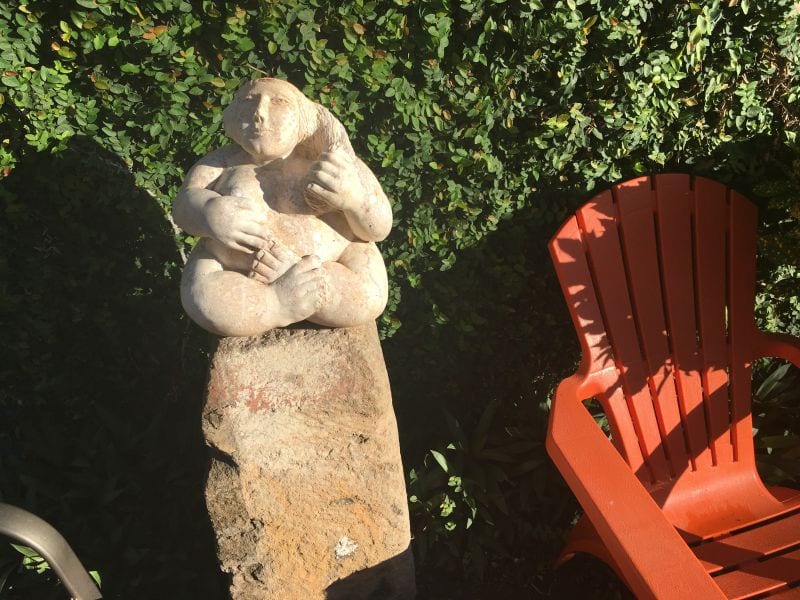
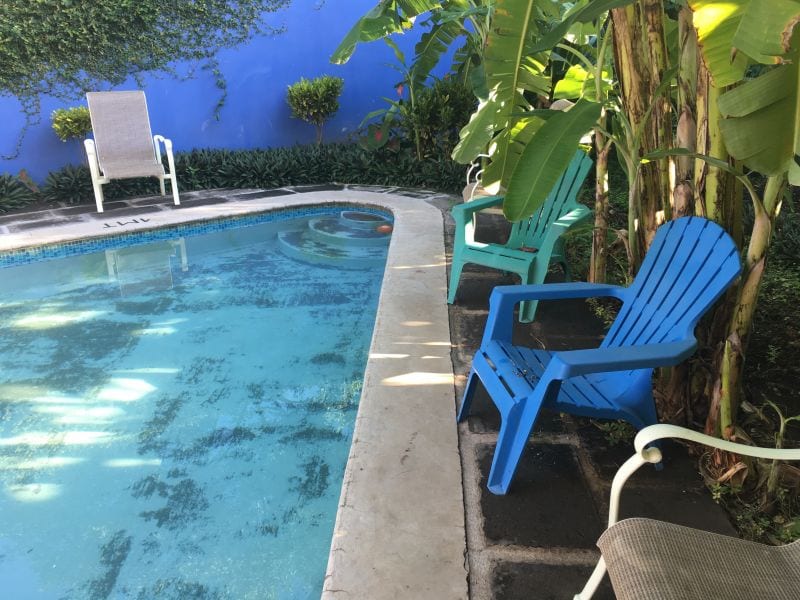
This pool courtyard is shaded and protected on one side by a tall blue wall covered by green ivy and, on the other side, massive walls of the apartment complex. There are no ” Swim at your own Risk ” signs and, as of yet, I have been the only guest using the pool. Sheets and towels drying on an old fashioned clothes line say that someone else is staying here and we are both lost in the 1950’s.
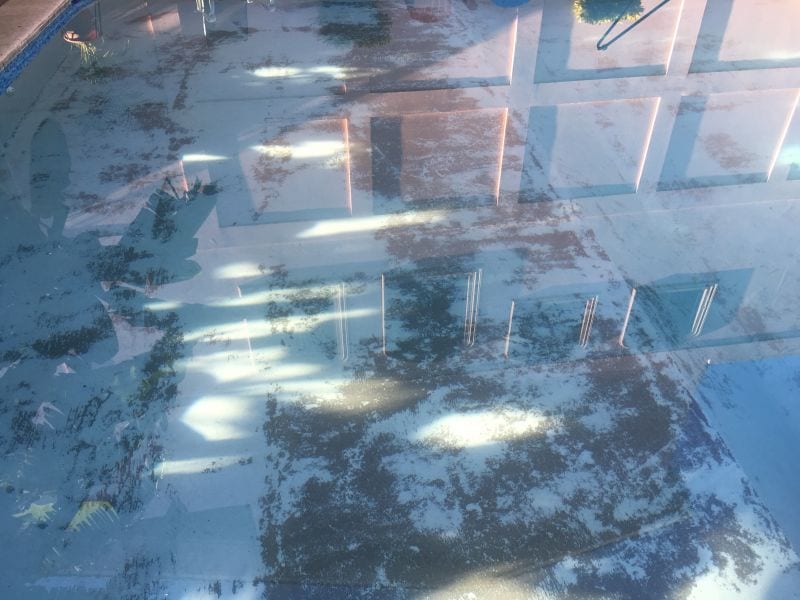
The water is warm with no need for a heater and the pool slopes from three feet in the shallow to seven feet in the deep. It needs a coat of baby blue paint.
In Granada, old is not ashamed.
There is much about ancient history that reminds me of our times as I float on my back in the water. stretch out my arms and legs, fill my lungs with air till I become a balloon, and become a target for passing birds.
Floating in the pool, under clouds, I am only different from ancient man in the things I have been forced to learn that he didn’t even know about.
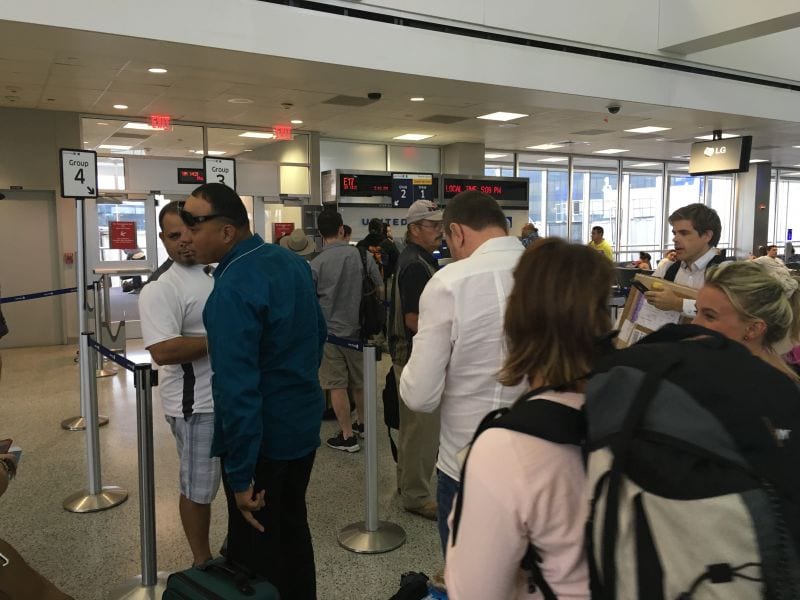
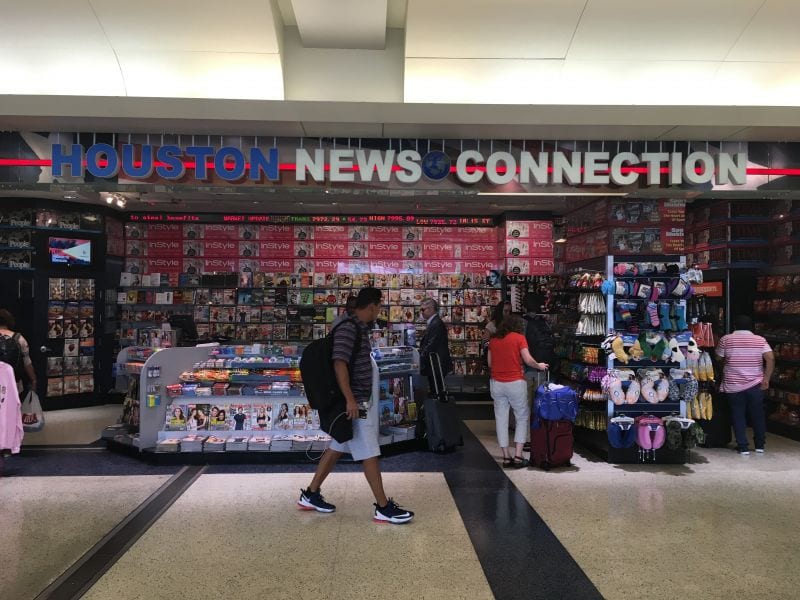
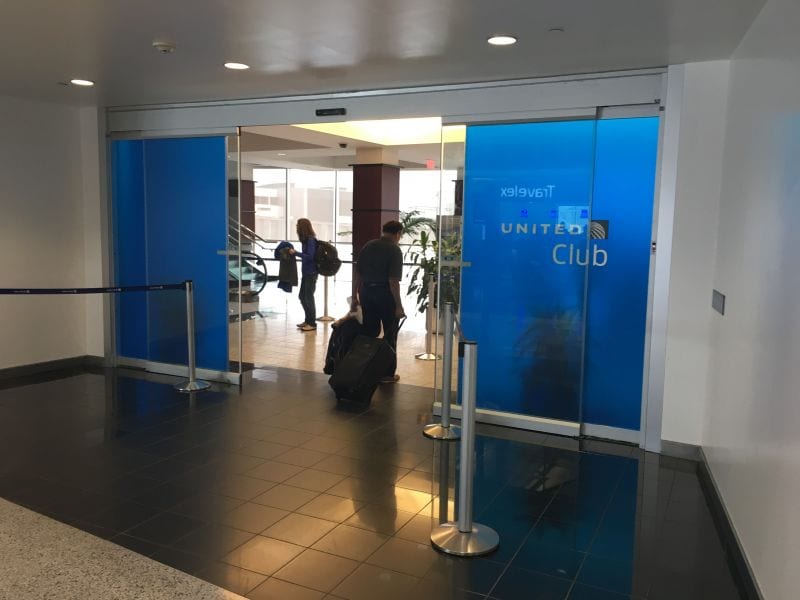
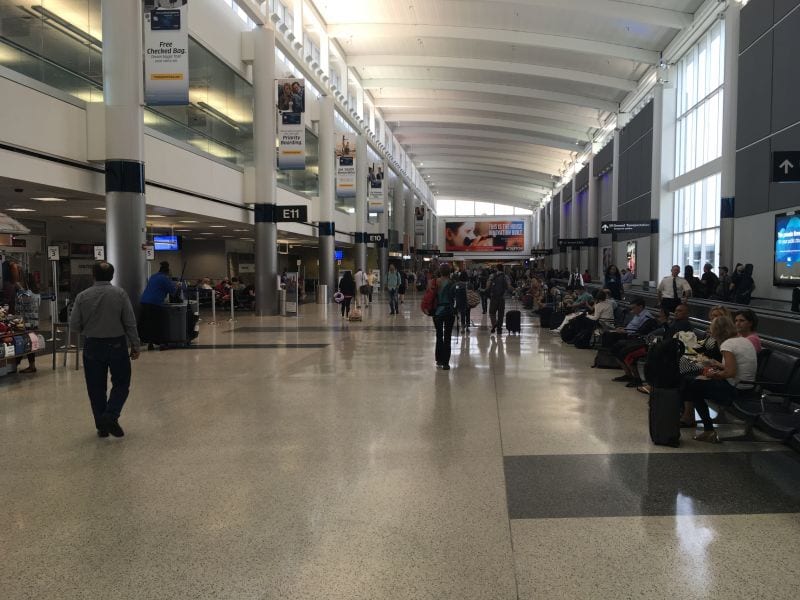
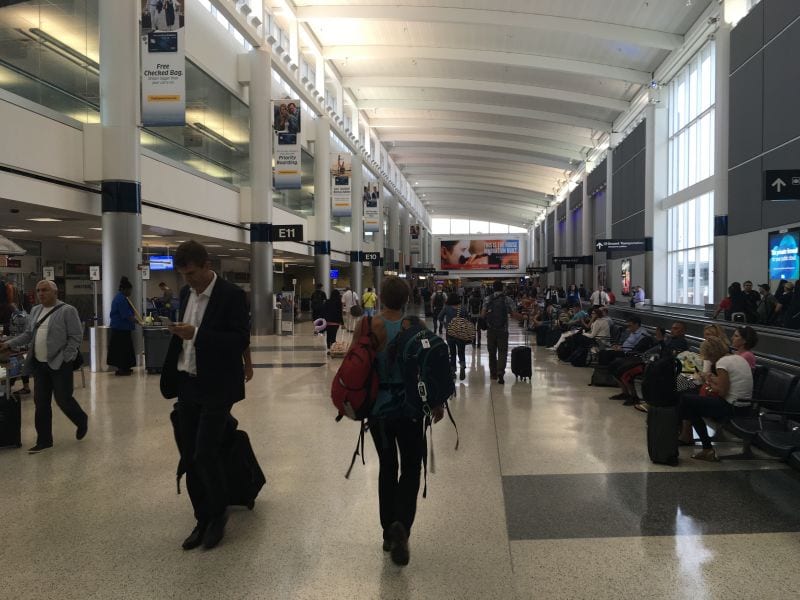
Airport security is what it always is; intrusive, obnoxious, unproductive, insulting. From standing in front of the x ray scanner with your hands above your head, to a quick pat down by a uniformed government servant, it is hard to ever feel this is for my own good.
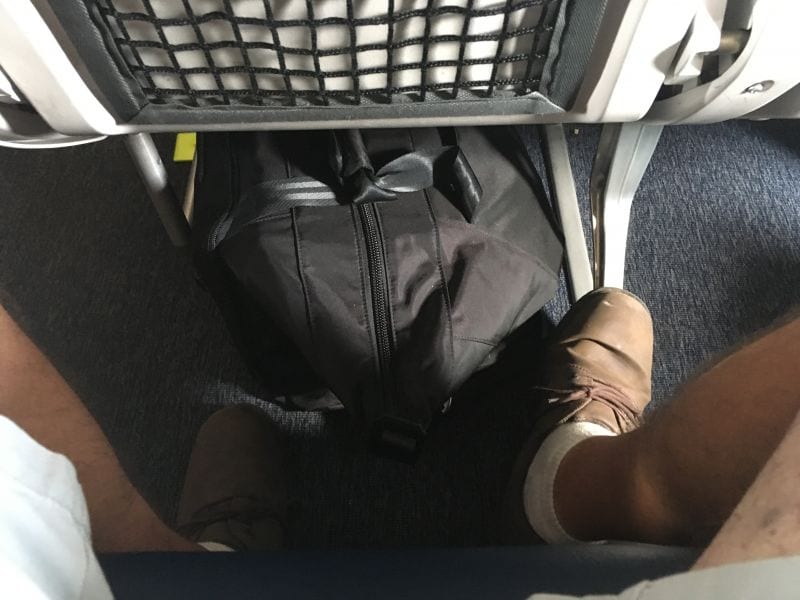
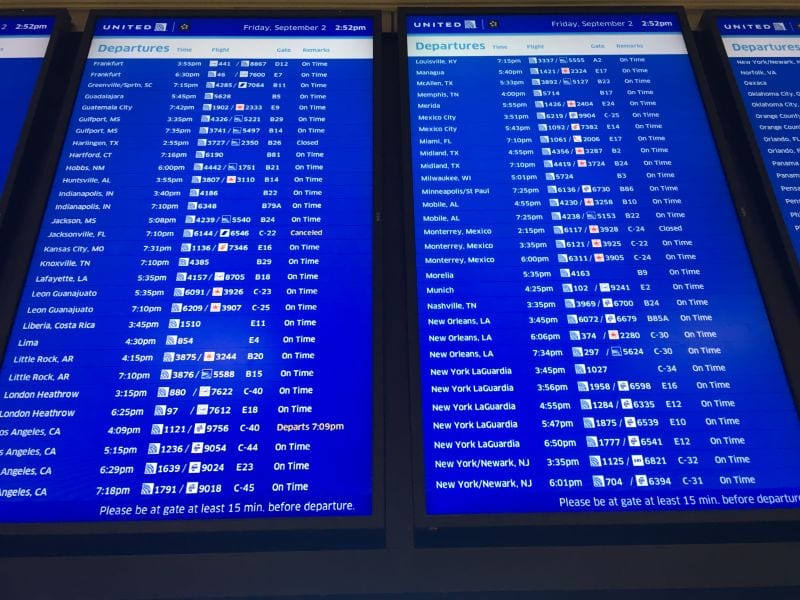
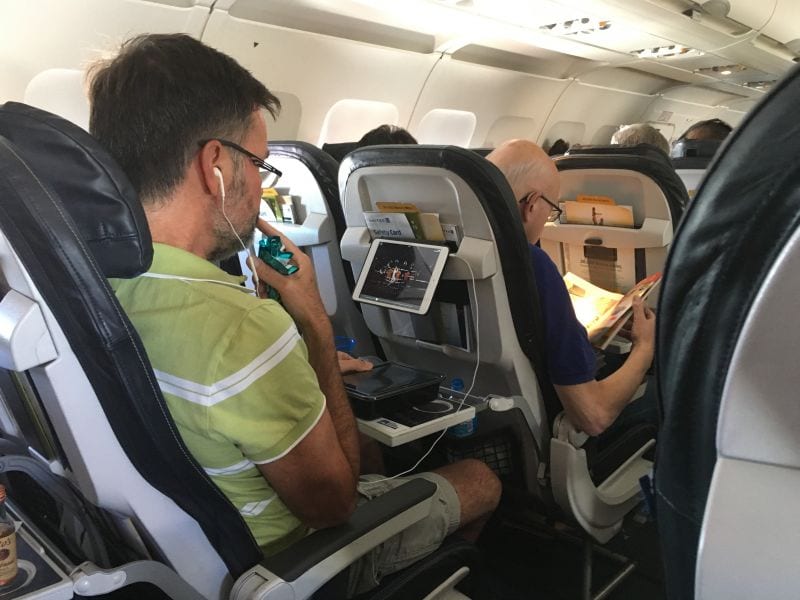
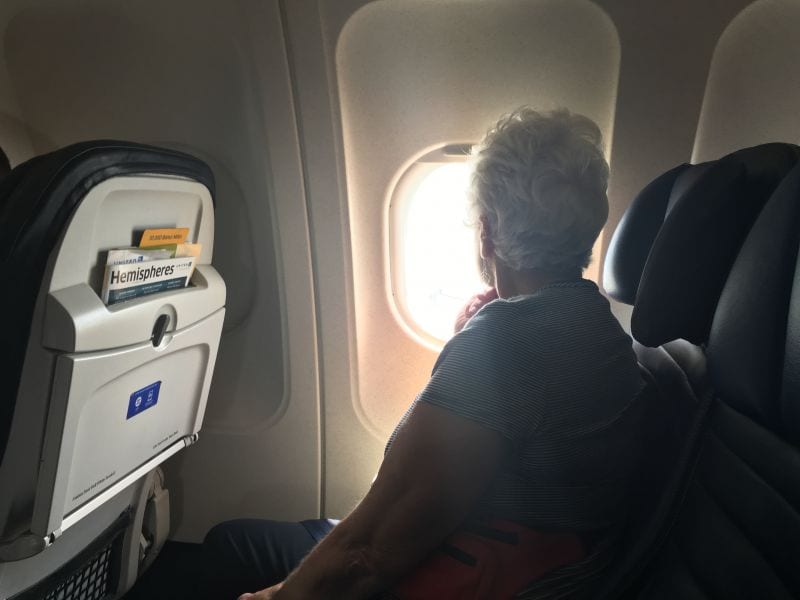
Once I clear scrutiny, I eventually end at my proper gate where i wait more, finally board my latest jet and fly for my sixth travel ring in the belly of a gussied up tin can.
Houston to Managua is a boring three hours in the air and standing in Managua, going through Customs, travelers who have been here before share their travel adventures in loud voices you can’t escape.
” Last time down we shot a hell of a lot of ducks, ” a middle aged man with a Hemingway beard and a protruding stomach tells me. ” I’m staying at the Hotel Alhambra. My friends and me come down here three or four times a year. ”
Customs goes quickly and paying a $10 entry fee to get into Nicaragua I smile for a camera mounted on the Custom officer’s booth window as he stamps my passport.
Martine, my pre-arranged shuttle driver, is waiting for me outside the terminal, holding a sign with my name on it. It is night and he is paid to get me to my lodgings.
” Welcome to Nicaragua, ” he says, in English, with a smile.
The United States is behind me, Nicaragua is in front of me.
Why so many people leave the U.S. looking for paradise is a Graduate student’s dissertation I would pay to read and actually read.
In the middle of the night, on our way to Granada, I can’t see anything of what I have gotten myself into, only know that another place on a world map is about to unfold for me.
I’m glad, as Martine navigates the dark narrow roads, that I’m not a duck.


Recent Comments