Looking where you walk in unfamiliar places is a very good idea.
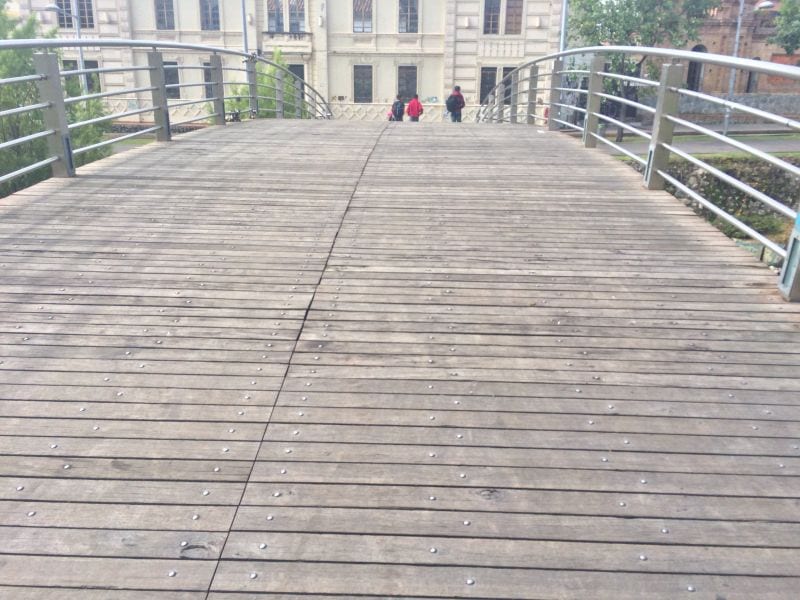
On morning walks down Luis Cordero, through Parque Calderone, I ramble down stair steps, take a quick scamper over a bridge across the Rio Tomebamba, and park my creaking bones at the Gringoland McDonalds where Wi-Fi is still free and the coffee cup is almost bottomless. Customers come and go throughout the day and sometimes are entertaining.
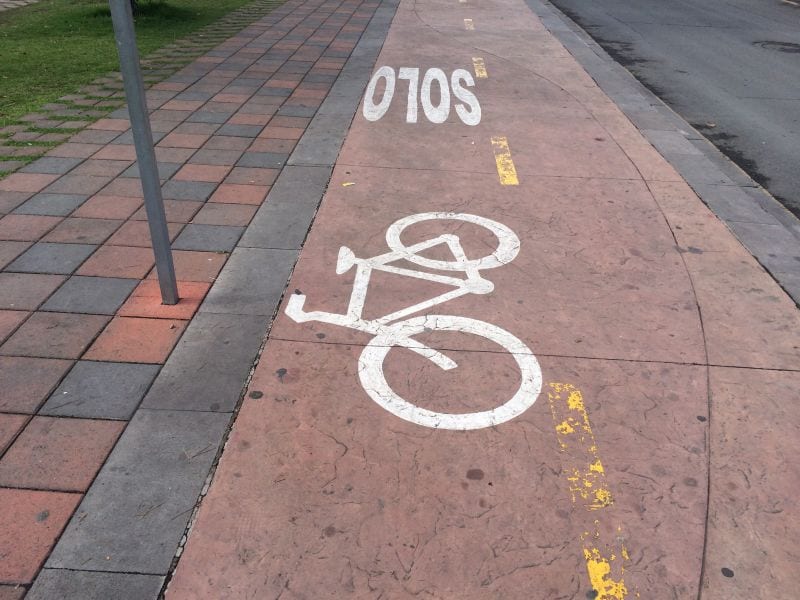
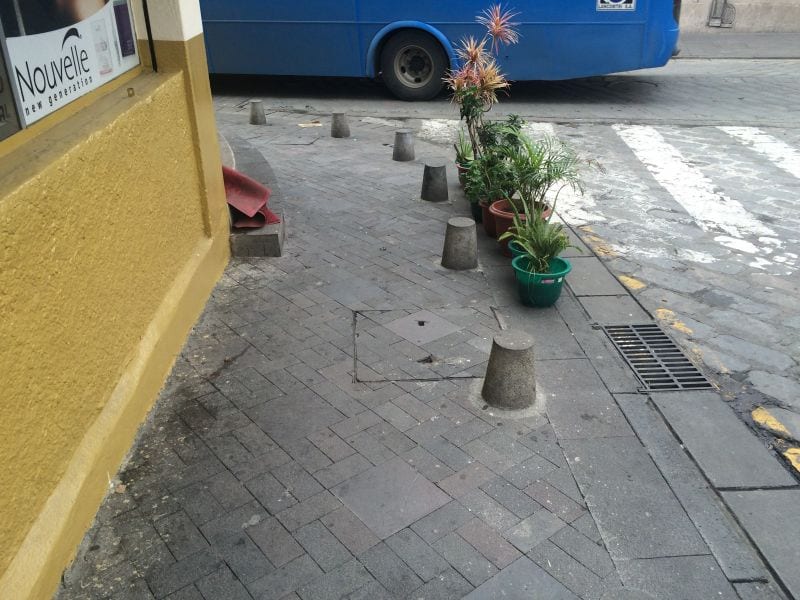
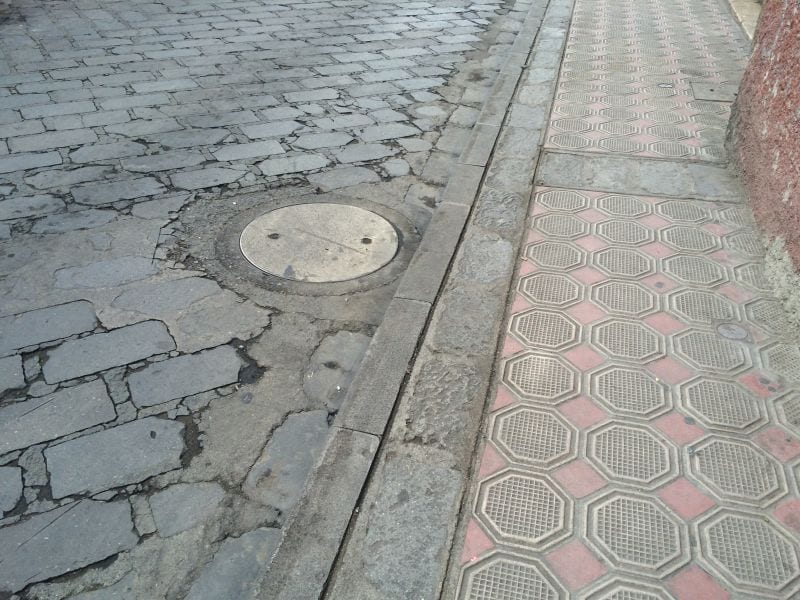
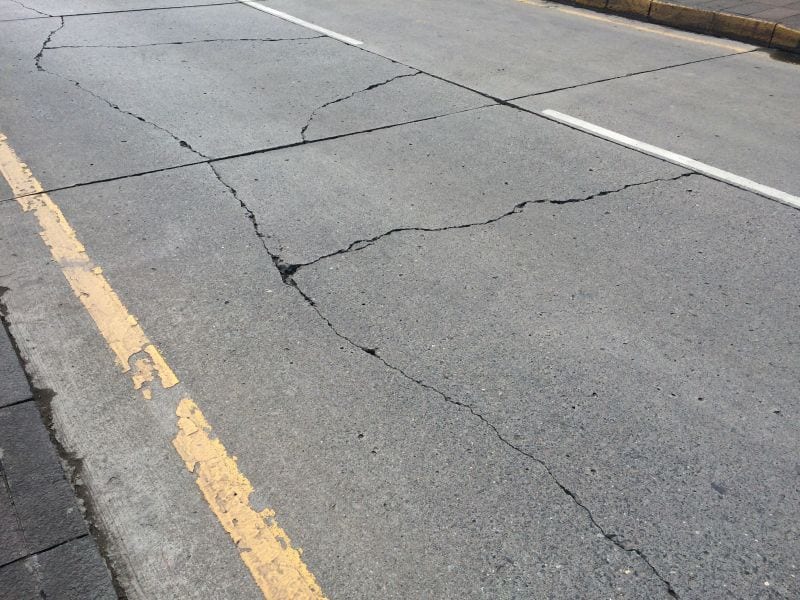
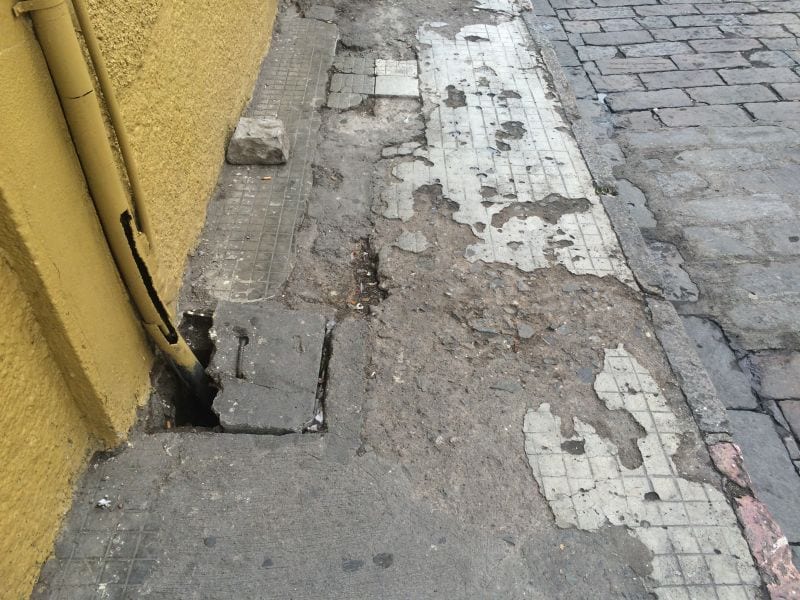
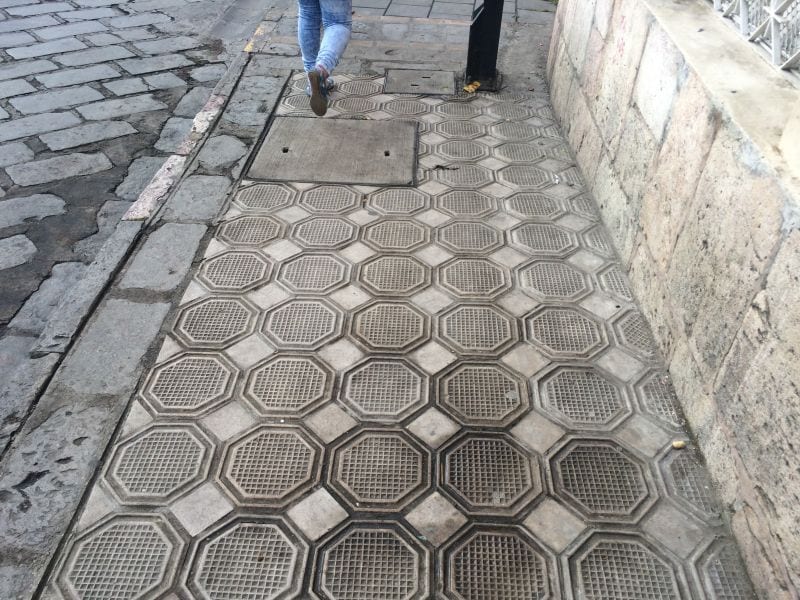
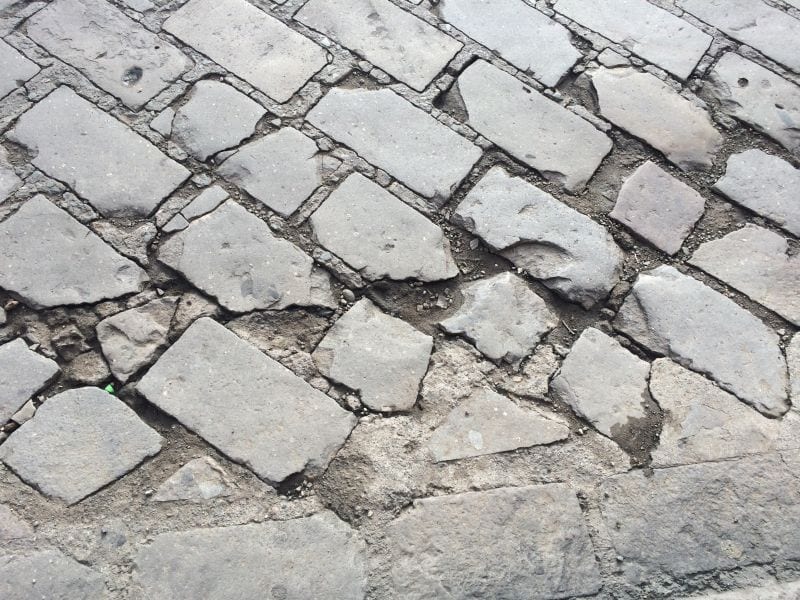
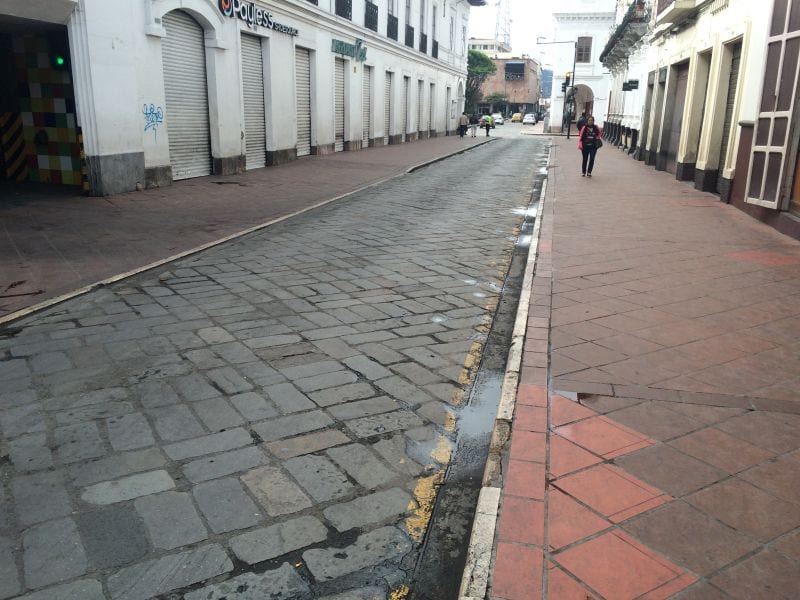
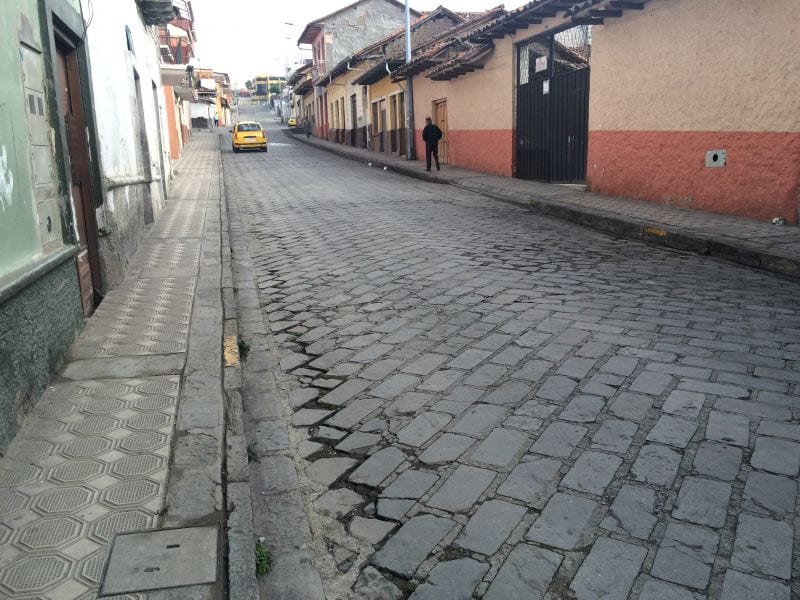
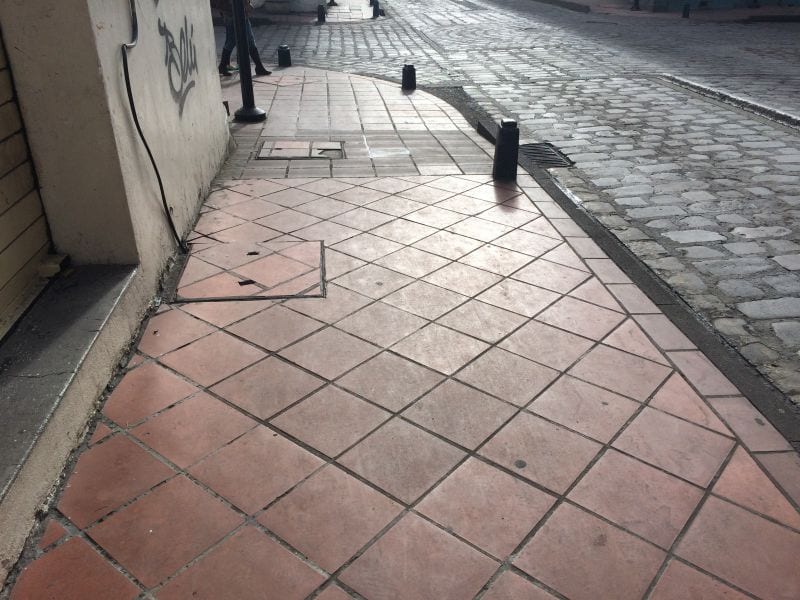
Sidewalks and streets in Cuenca’s historical areas all have bumps and grinds that would make a stripper happy and there are multiple opportunities to take a tumble if I didn’t pick my feet up.
When walking here you keep eyes open because if you fall in Ecuador it is never the sidewalk’s fault. In a foreign port you can sue if you have a mind too but you will be assigned a lawyer that speaks a language you don’t understand,the jury will never be of your peers, and the courtroom will be full of strange rules. In a foreign country, the best thing to do is watch where you step, all the time.
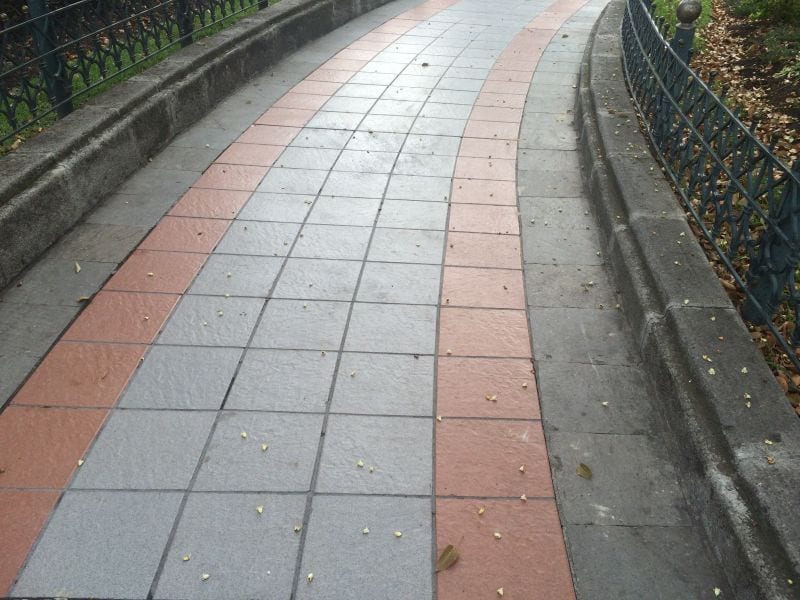
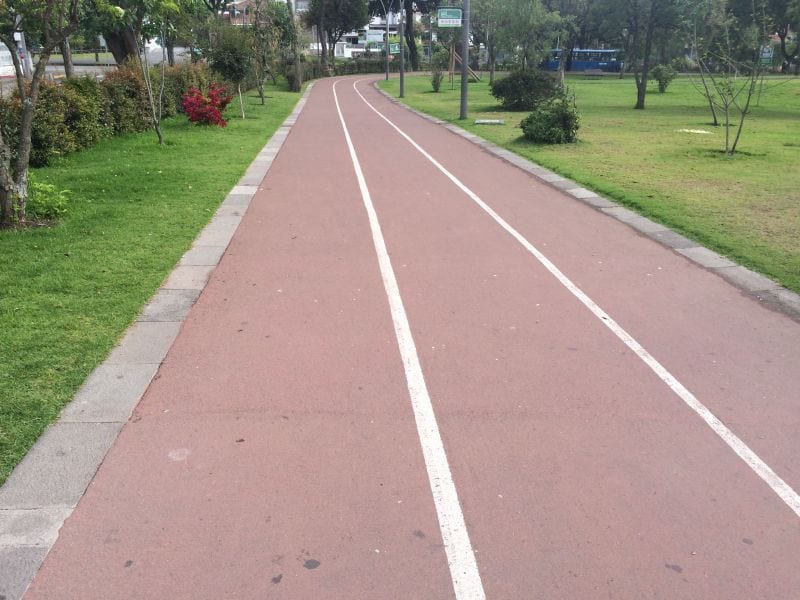
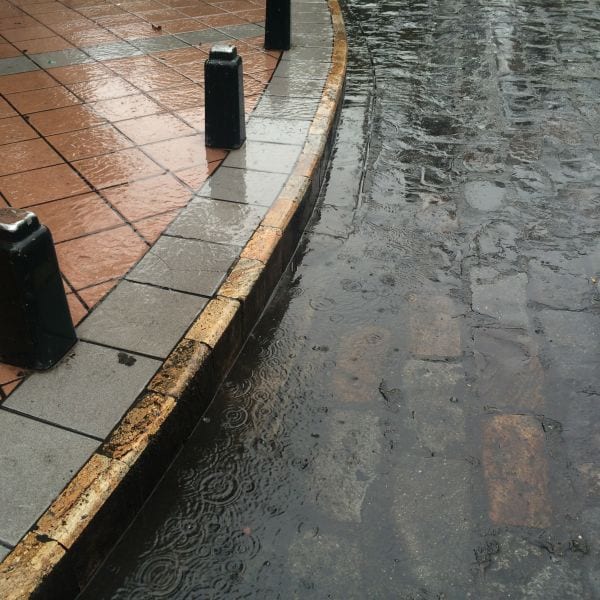
Sidewalks,it seems, aren’t worth a look until you spend a morning taking pictures of them.
Looking at the world, from shoe level, gives you a different perspective.
Even in 2015, we still spend a lot of time on our feet.
Our dad liked fishing. His dad liked fishing. So, sons and grandsons like fishing too.
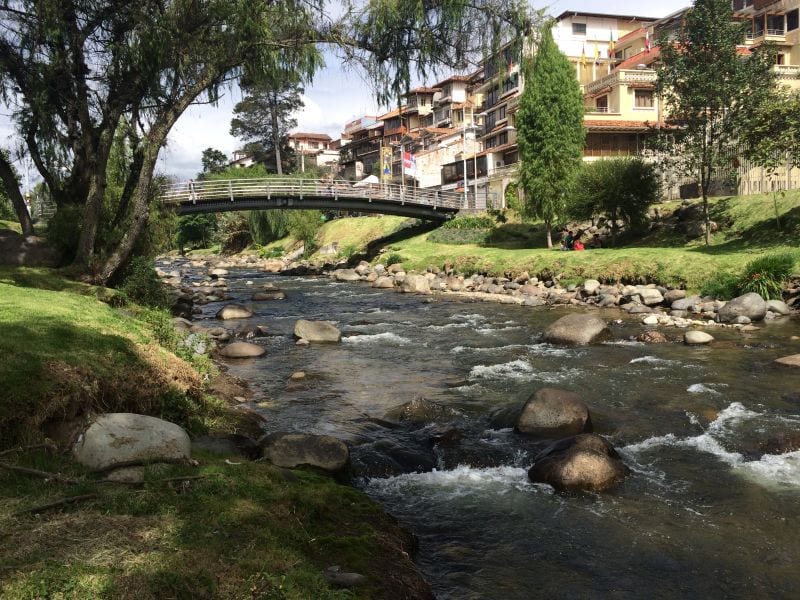
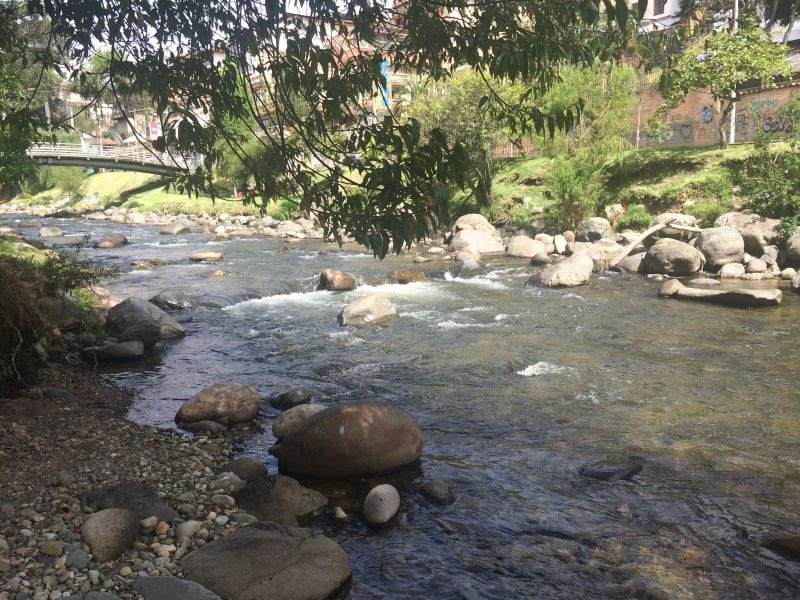
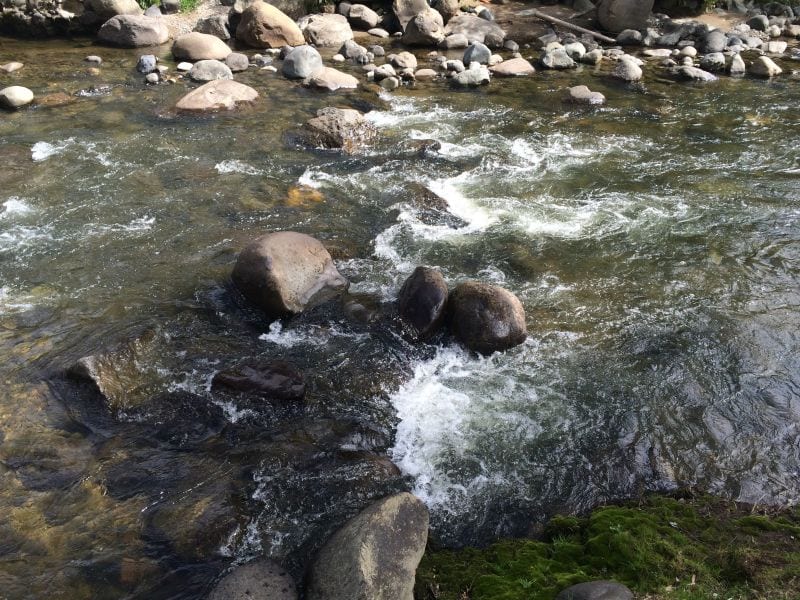
The Rio Tomebamba bubbles up memories of trout streams in New Mexico, the Pecos and Jemez in particular. It also reminds me of the Conejos River in southern Colorado, or the Gila River near Silver City, New Mexico.
We have caught trout out of smaller streams than this. There are rocks behind which the trout can rest and deeper pools where they congregate. Running water keeps nutrients flowing on the surface for them to strike as they pick and choose when and what to eat.
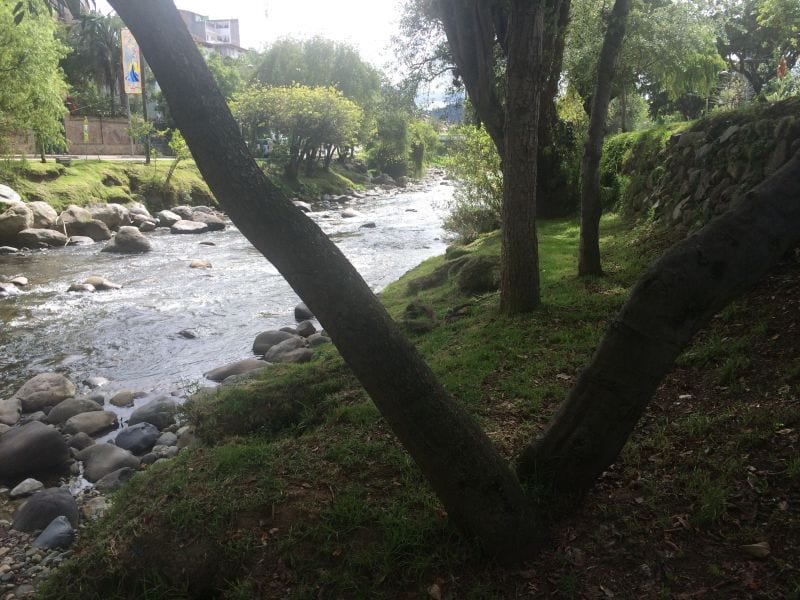
This river remains an anchor in a big city, a place to relax and stroll, a jazz song out of nature’s music book. One of the better things about the city of Cuenca is that it hasn’t crowded out the nature that is inside it.
If I were to move here, I would look for a small apartment by this river so I could walk along its side every morning just like this.
Rivers are bright murmuring bow’s to life’s presents.
This evening we are treated by an American jazz musician who has a home in Cuenca. She slips into the Jazz Society club with her instrument in its case, takes a seat and listens to the band, puts her horn together, finds a reed, and joins the boys for the concluding song of the first set.
Musicians don’t have to speak English or Spanish or French or Swahili. Jazz has its own language, history, theory, super stars. If the girls in the audience a few tables away from me would have quit gossiping in the corner while she soloed, I could have heard the music even better.
When music is on fire, you shouldn’t be doing things that put it out.
Quality is quality is quality.
Sue swung the whole room to her way of playing, and, being a gracious lady, was endearing.
Lots of jazz musicians find better living and playing conditions outside the United States where jazz was created.
Jazz has always been an equal opportunity music, but all audiences for it are not created equal.
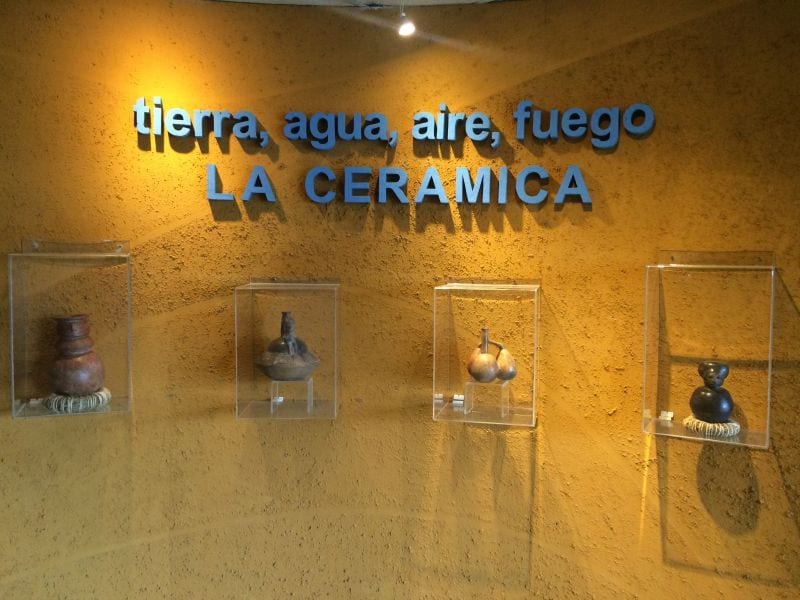
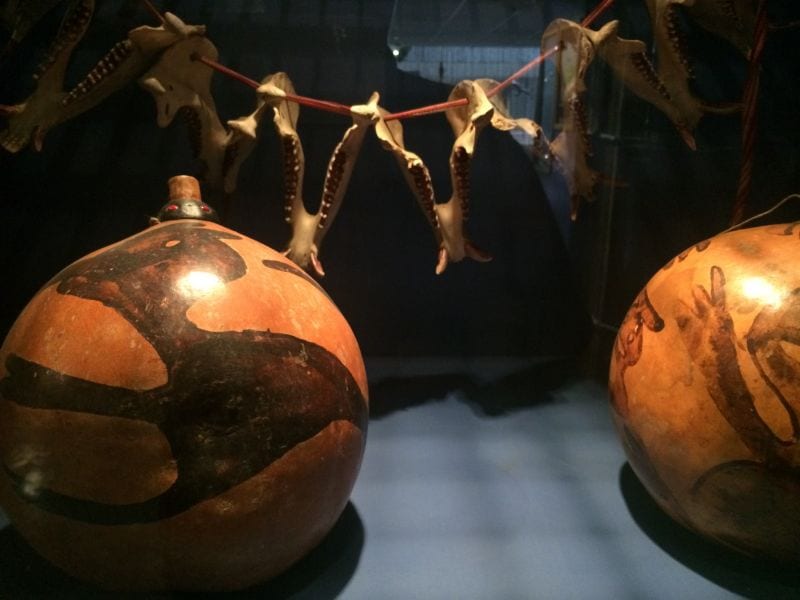
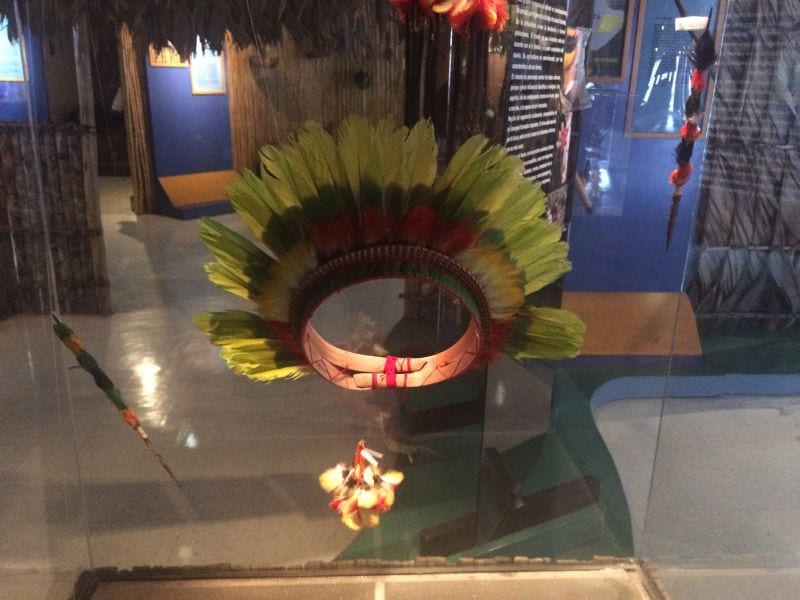
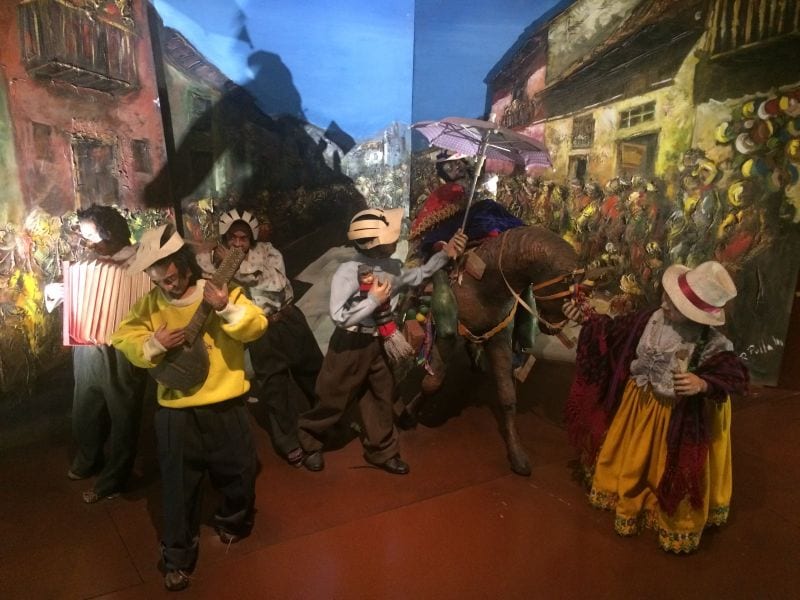
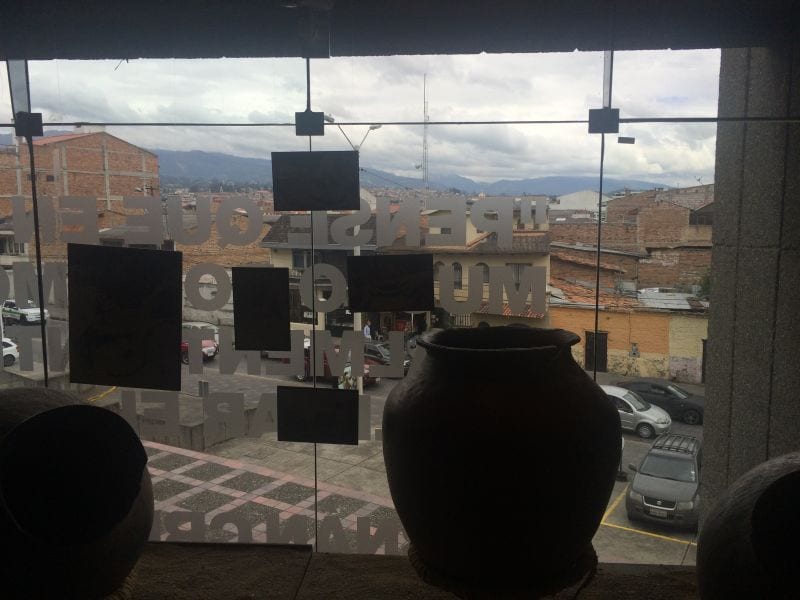
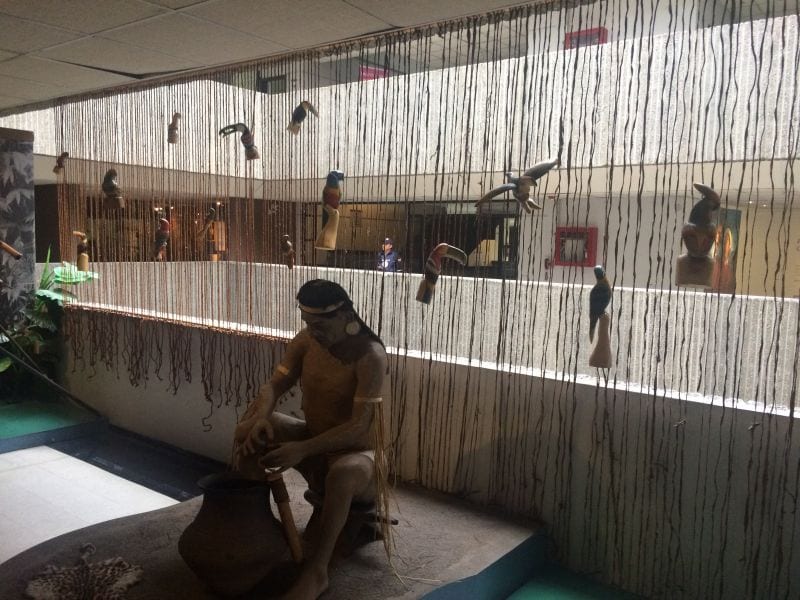
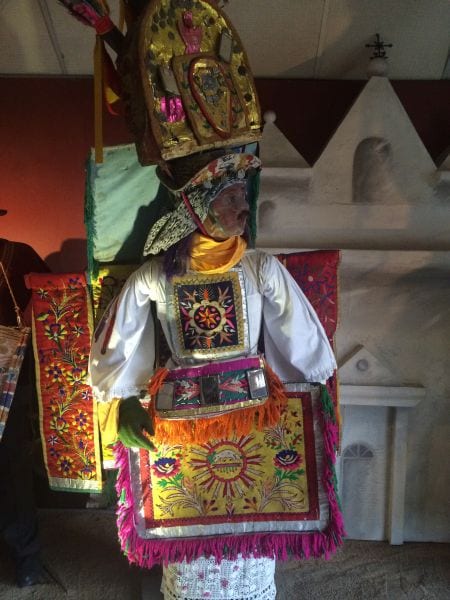
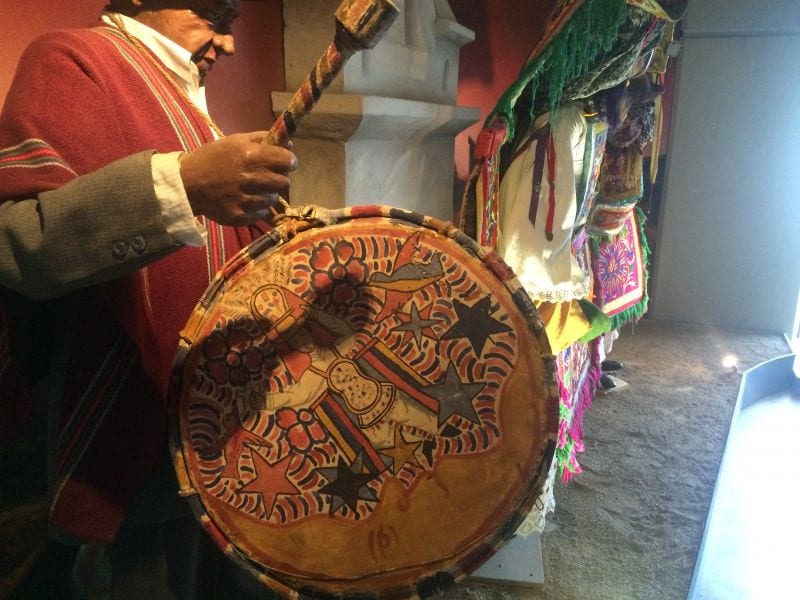
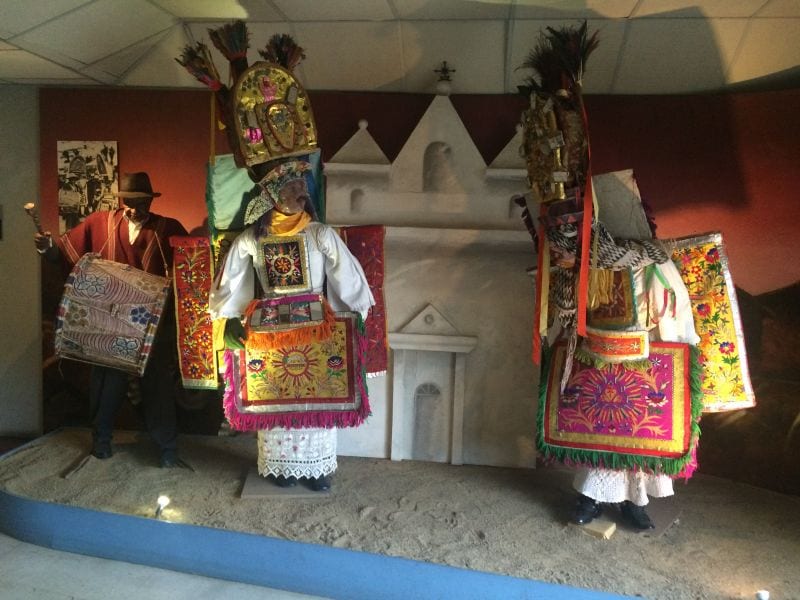
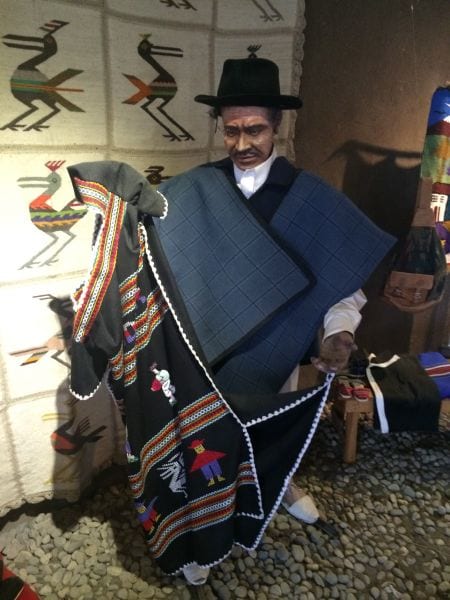
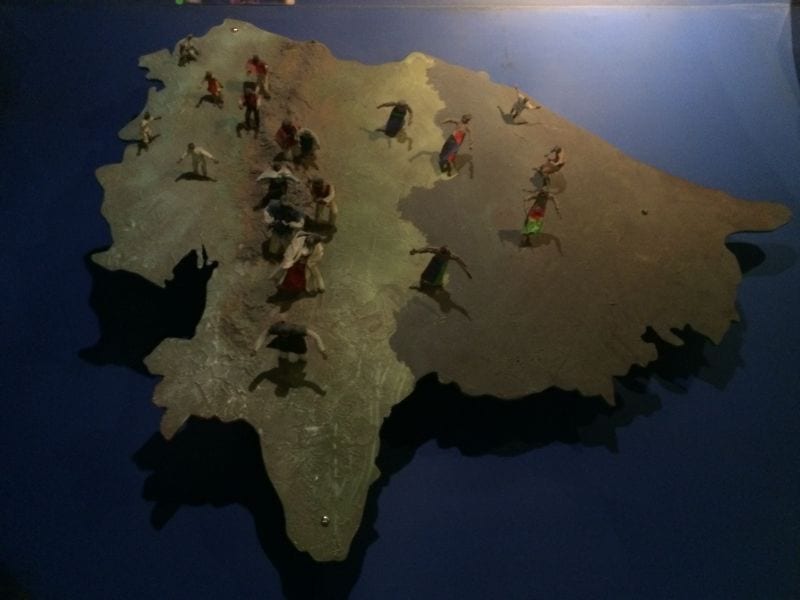
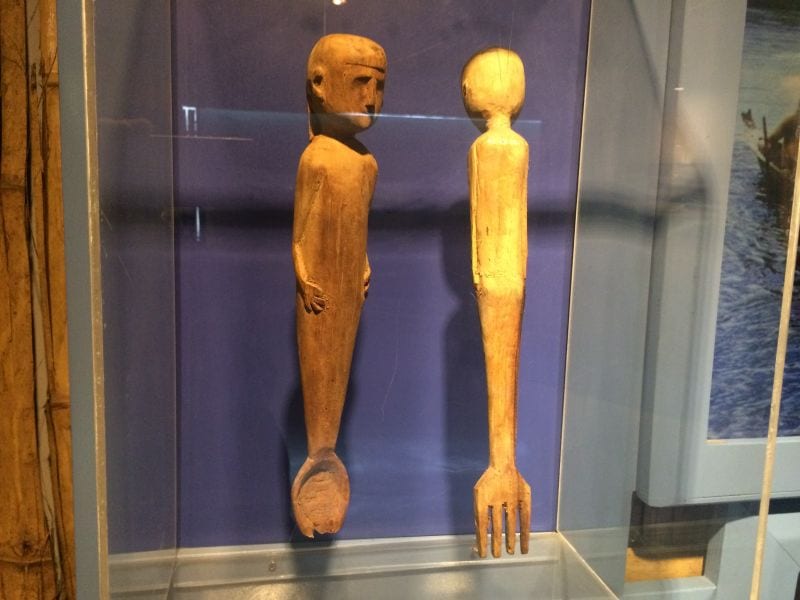
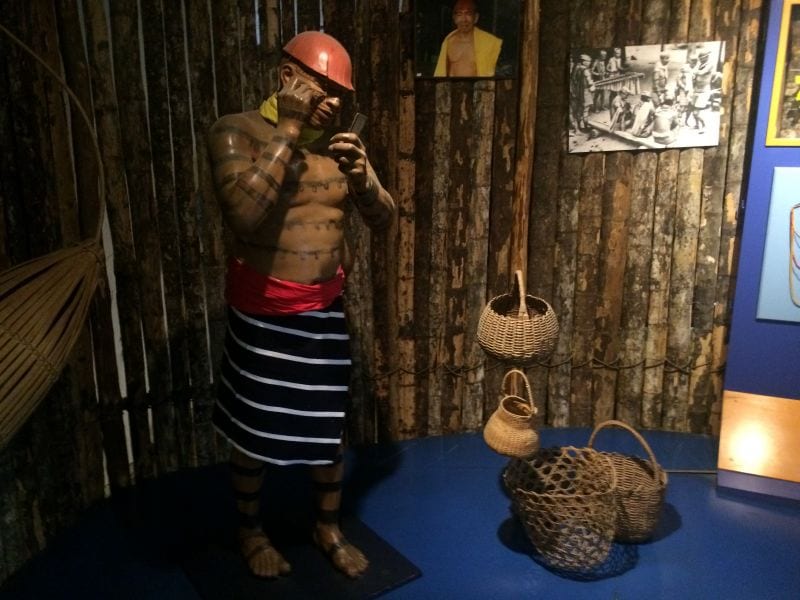
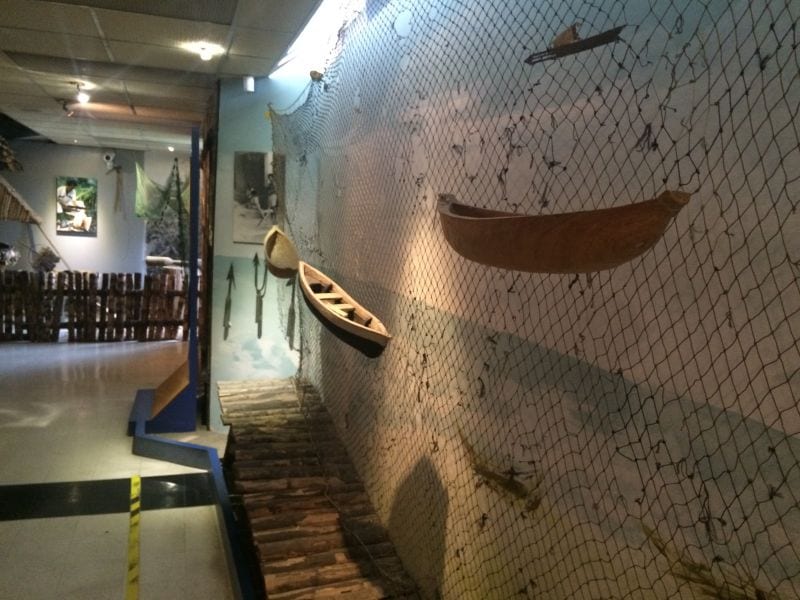
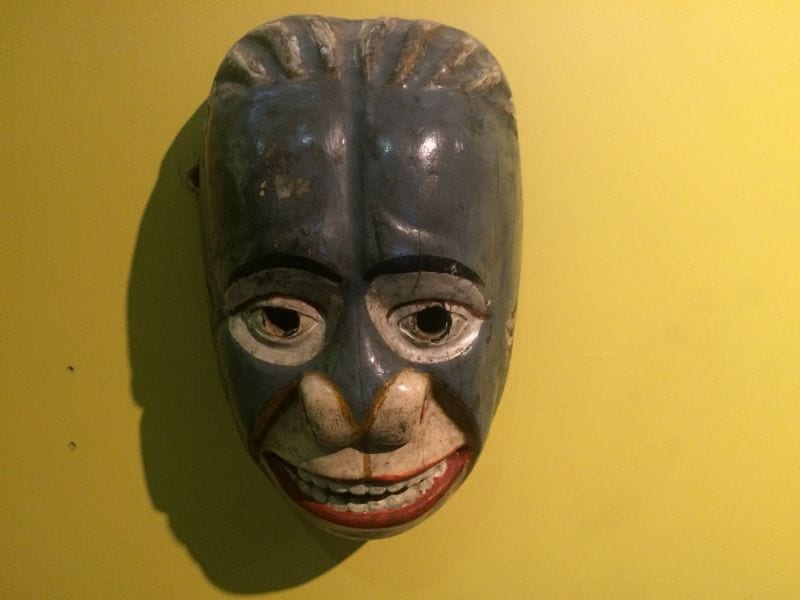
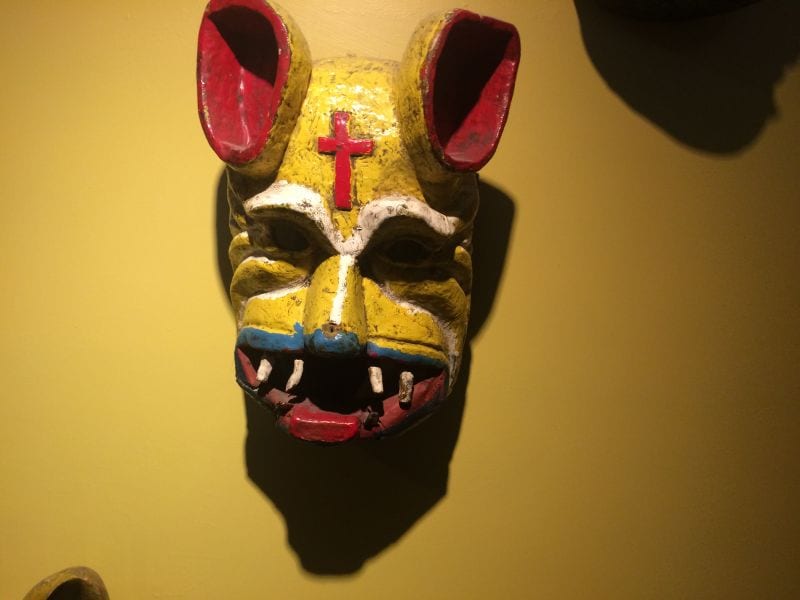
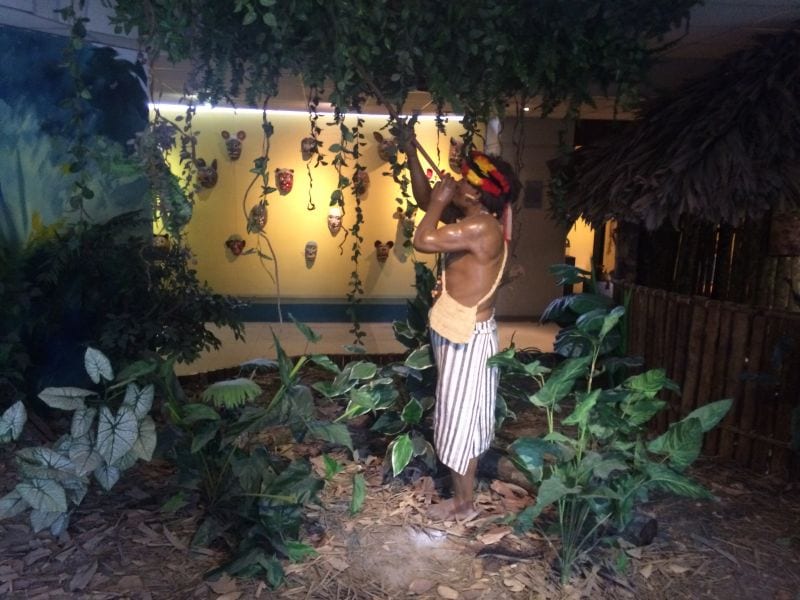
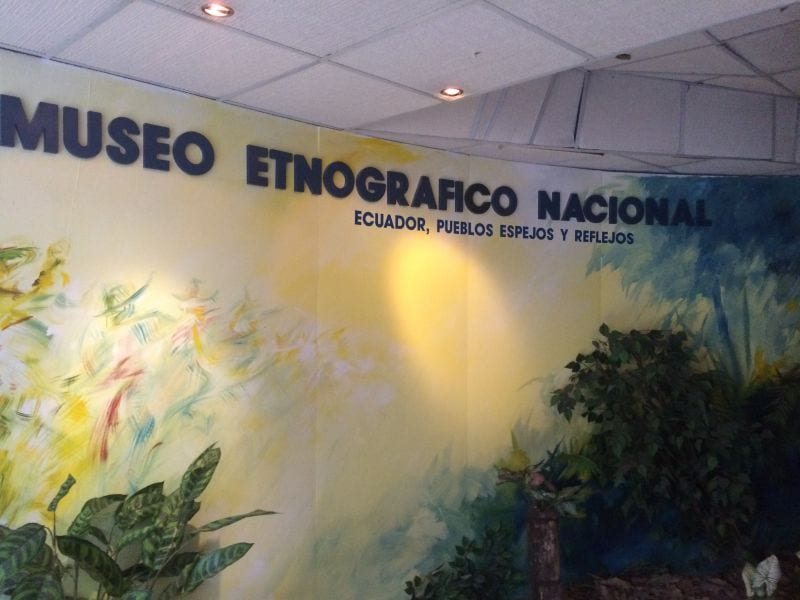
The Museo Pumapungo’s second floor features exhibits on Ecuador’s geographical zones.
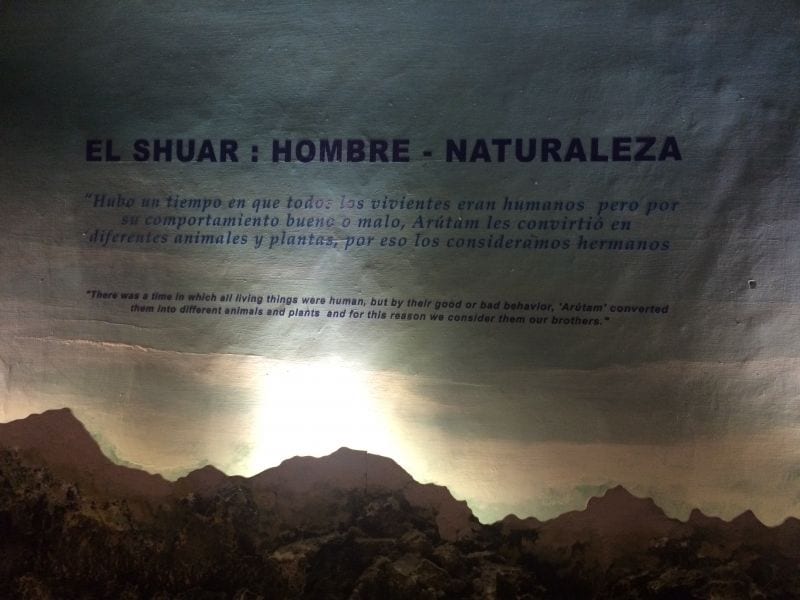
In one room is Amazon man with a blowgun who welcomes you into his jungle. Amazonian’s dress light and move silent as the animals they pursue. They live in thatched homes made from broad leaves and use nature’s pigments to decorate themselves.
Another room is dedicated to fishing people of the coast, and Galapagos, who wear jewelry made with sea shells and have fishing nets and boats that take them to their harvest. They wear simple clothes and use wood harpoons with iron points to hunt whales.
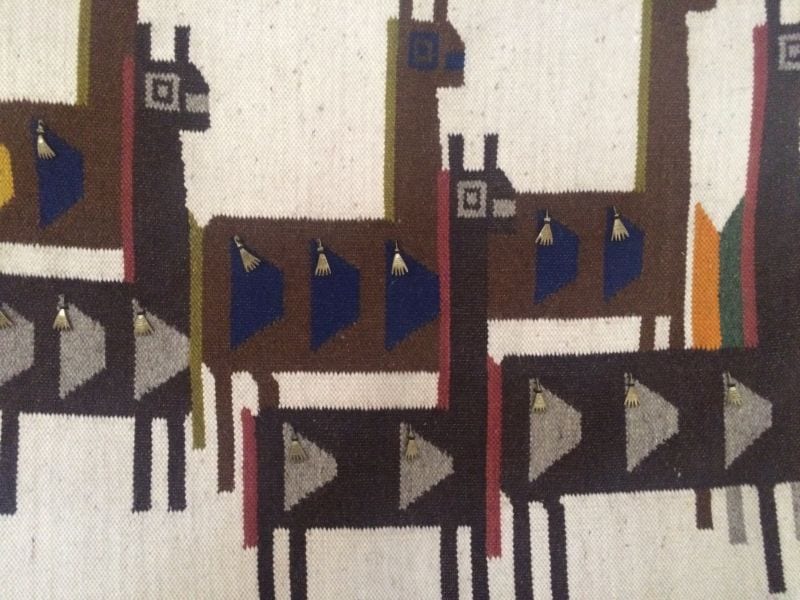
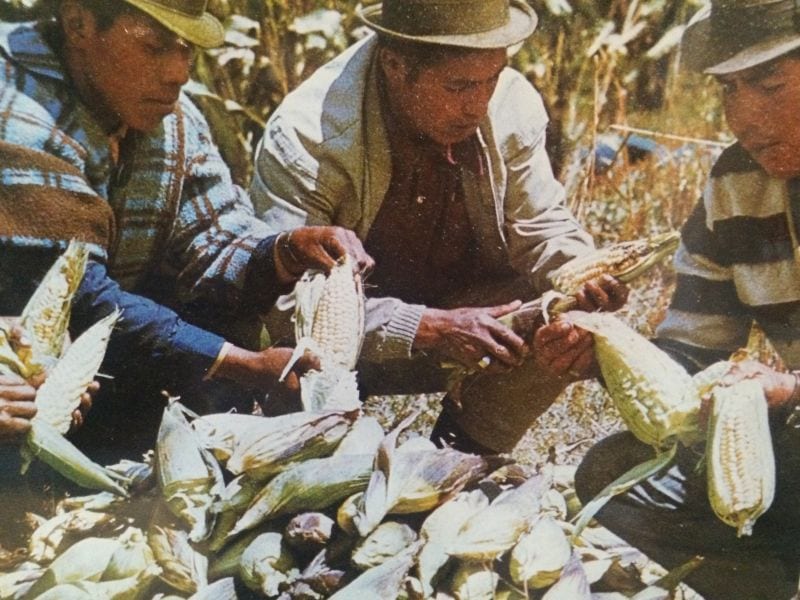
The Andes room shows colorful finely woven garments, mountains, terraced hillsides for growing corn and squash, alpacas and exotic looking llamas.
People live the land here.
The world changes, becoming standardized. Texting, television, internet and communications open propaganda to everyone, instantly. Standardized tests, standardized medicine, standardized zoning ,standardized construction, standardized money,standardized language drown us.
As the world becomes homogenized, we lose that which is important, for that which is expedient, easy, and makes someone else rich.
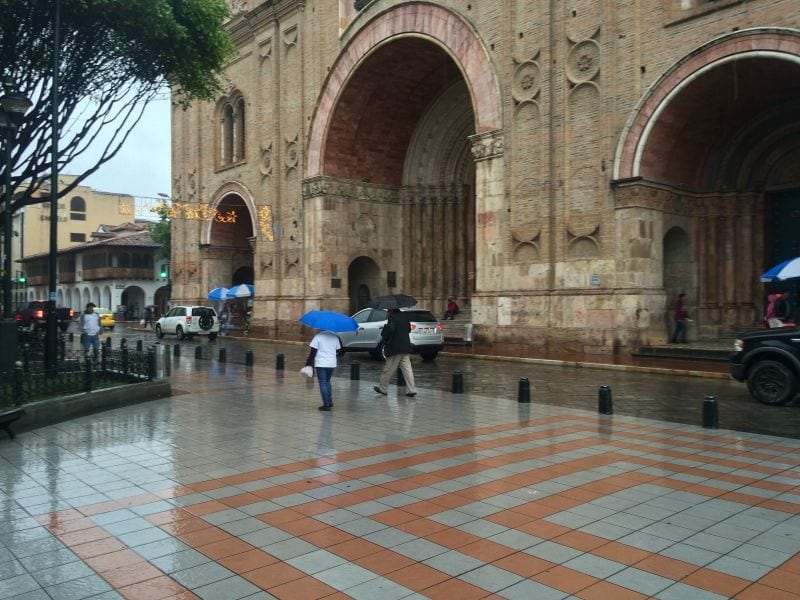
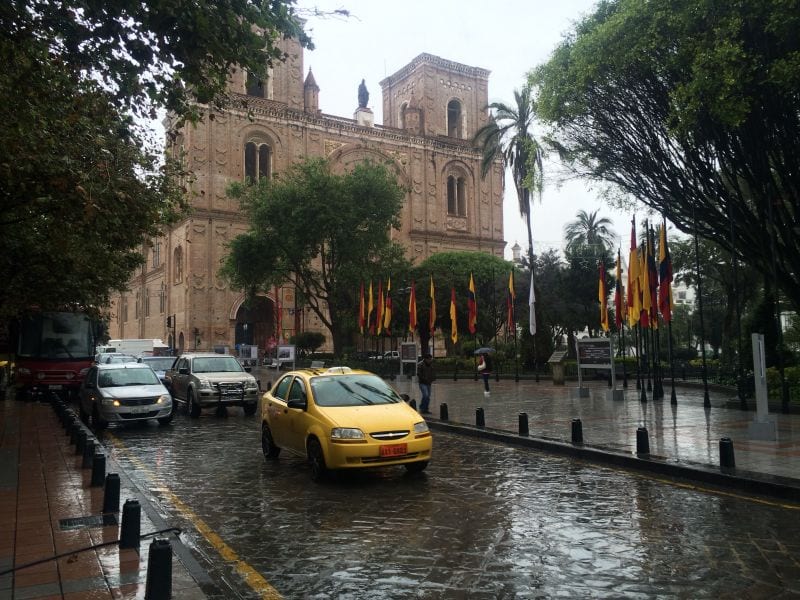
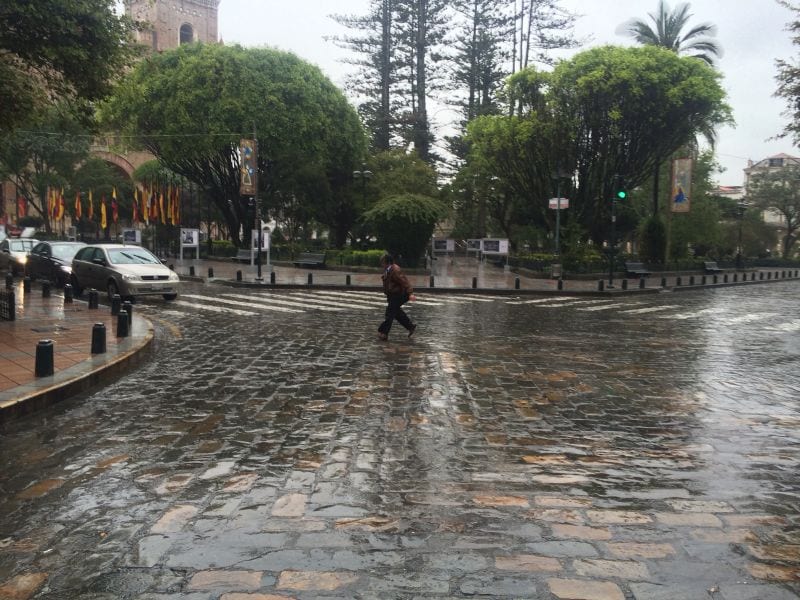
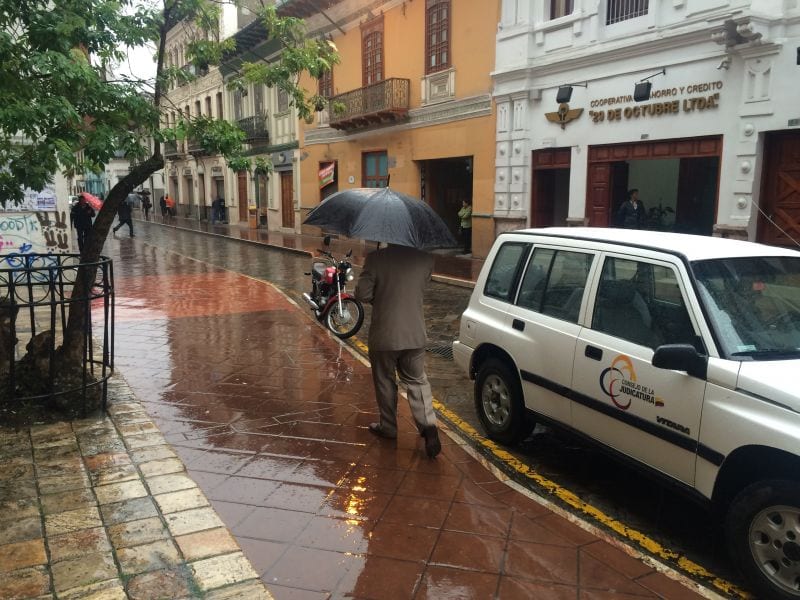
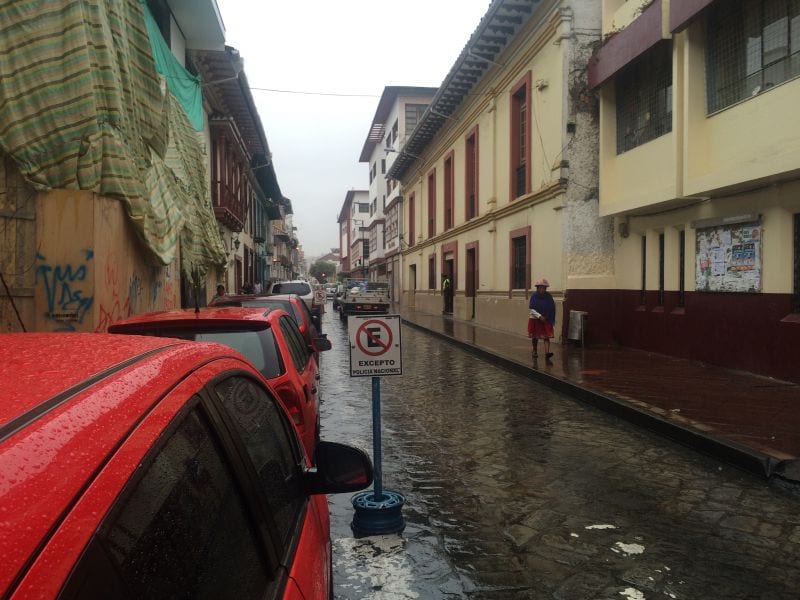
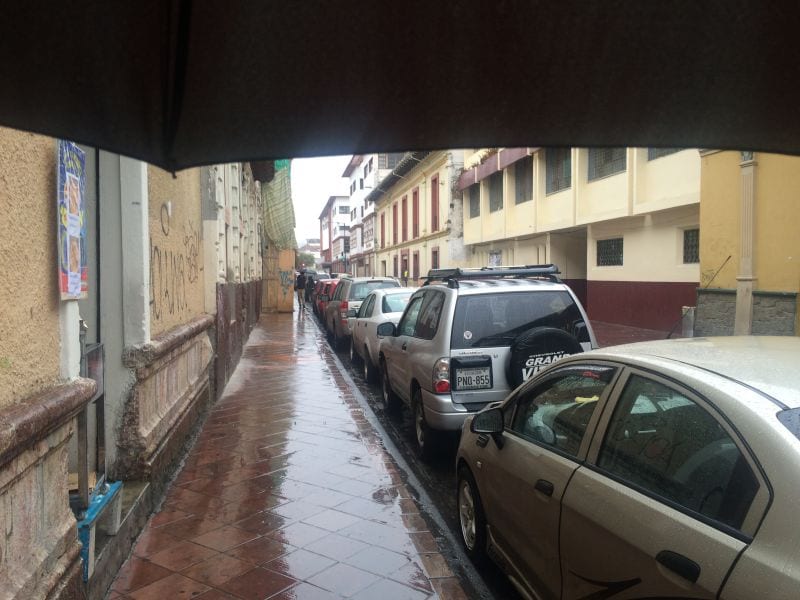
This morning, it rains.
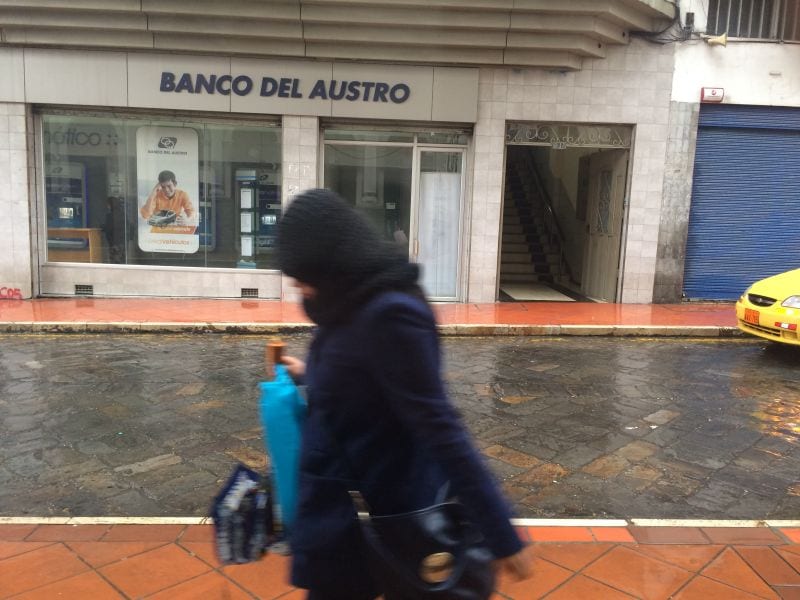
Having an umbrella seems essential, but, even now, there are people walking to work without one.
Ladies in pants suits have raindrops form in their dark hair and drop down on their leather boots like melting black icicles.
Motorcycles speed by with drivers wearing plastic drop cloths pulled over their heads to keep them dry, plastic flapping in the air behind them like huge wings.
Within an hour, rain has moved through and the Earth’s sun comes out.
In Cuenca, the only difference between summer and winter is the amount of rain that falls. The weather this year is, as most people remark, nicer than usual.
Having weather co-operate is wonderful, but weather doesn’t take orders from us.
We sail the seas but we don’t control the currents.

Recent Comments