On vacation, where it is warm and people lay on the beach, you forget about Christmas.
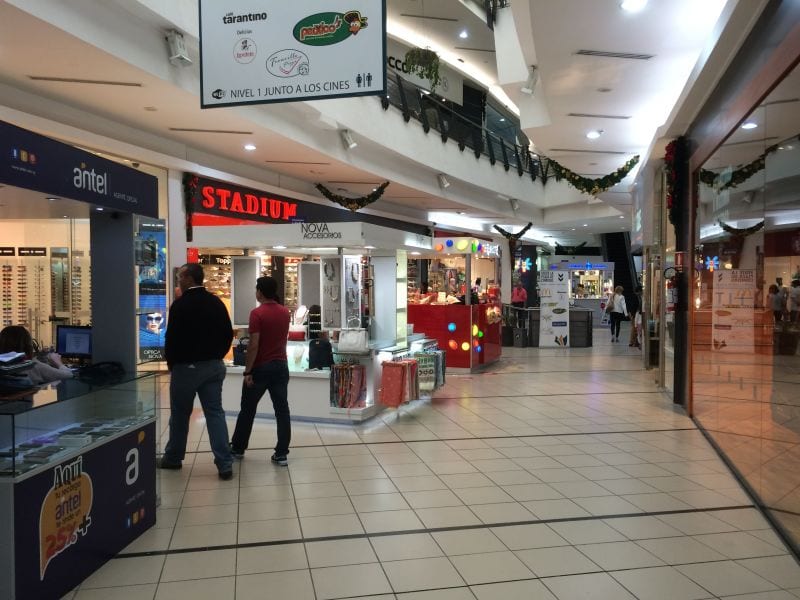
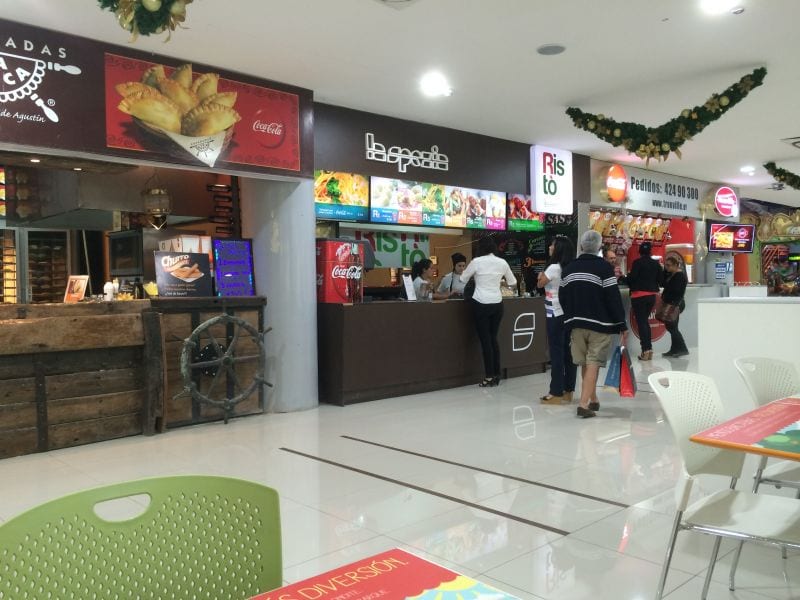
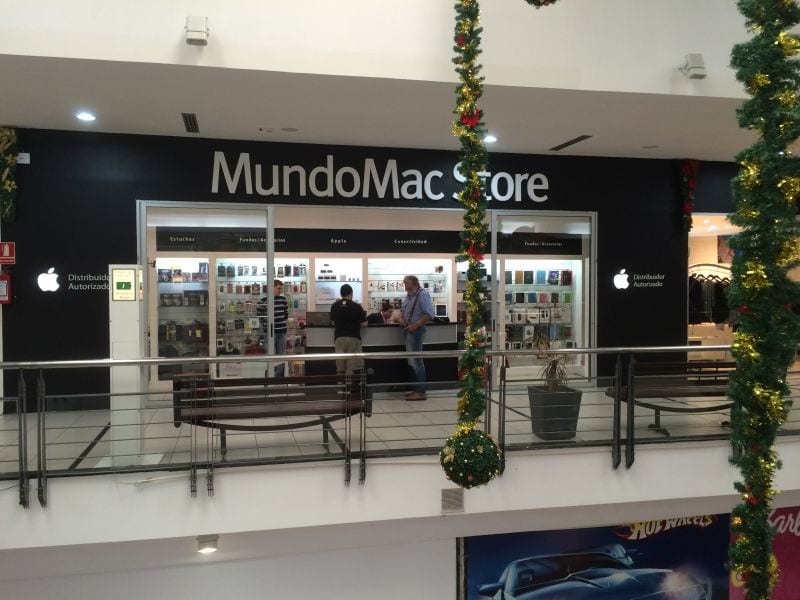
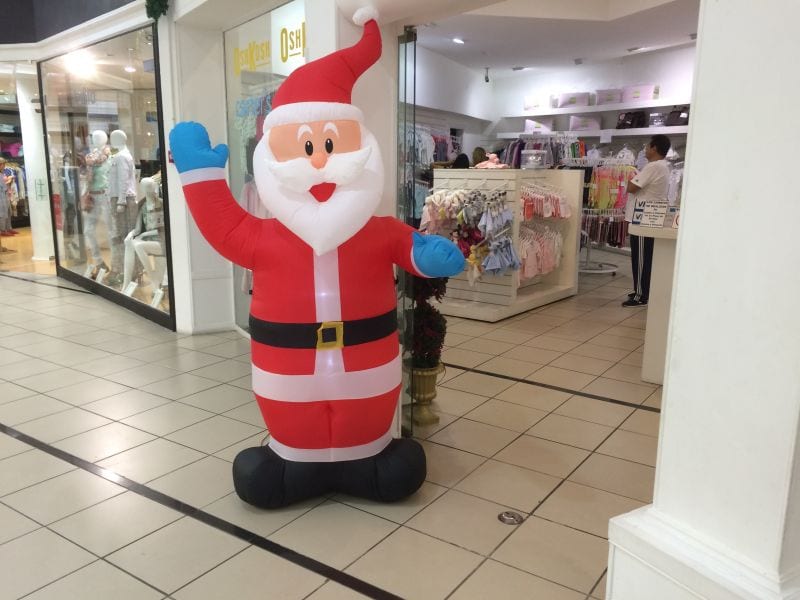
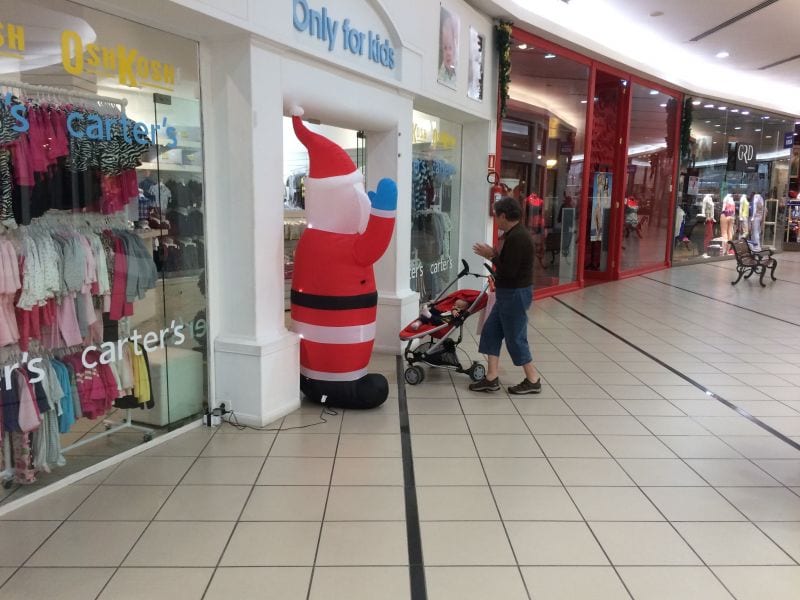
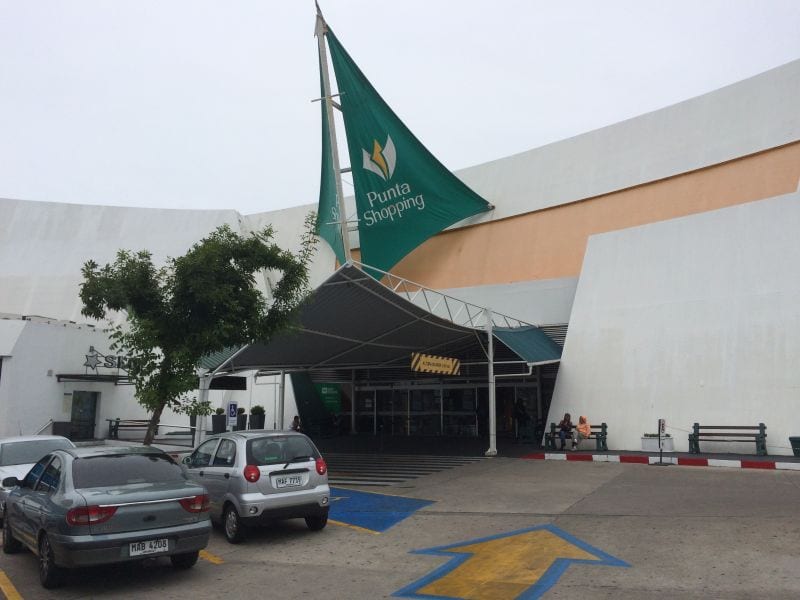
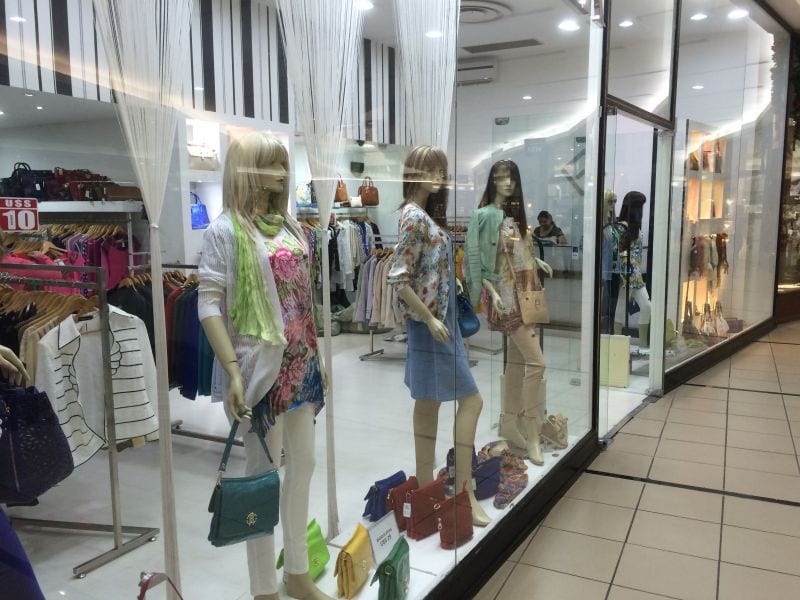
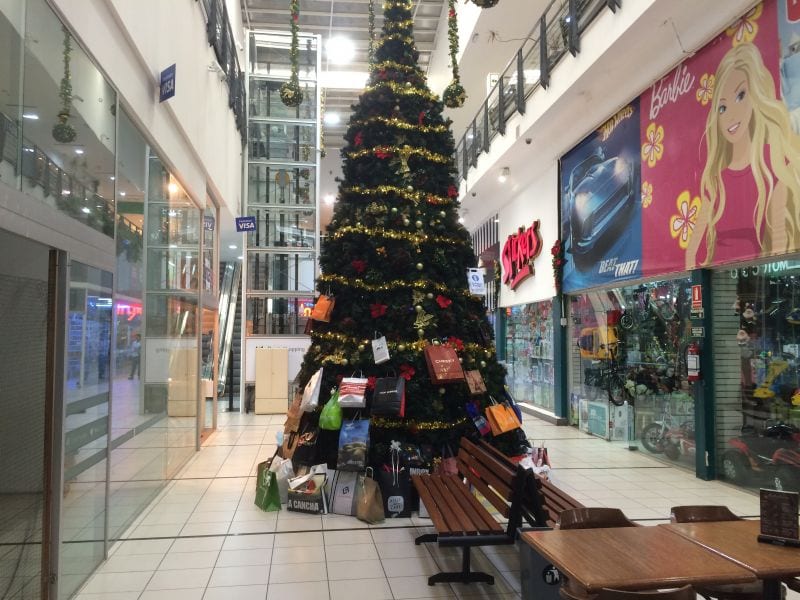
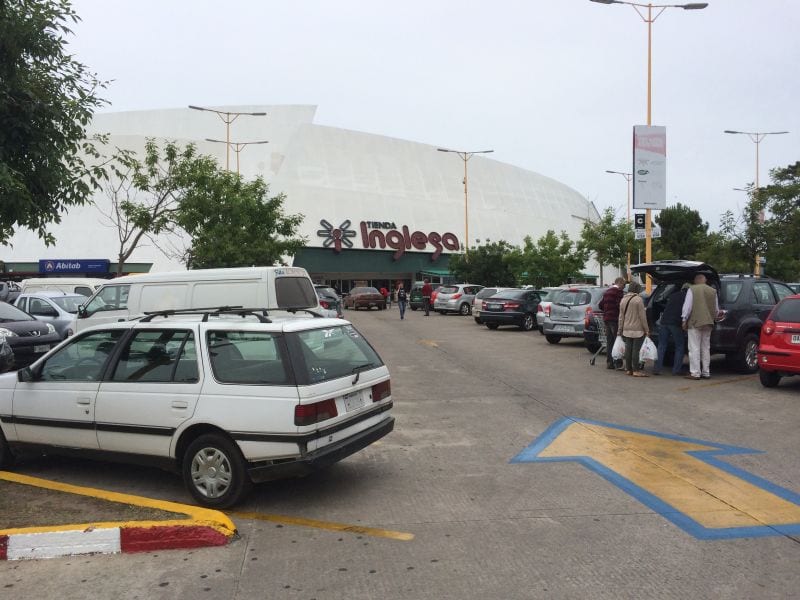
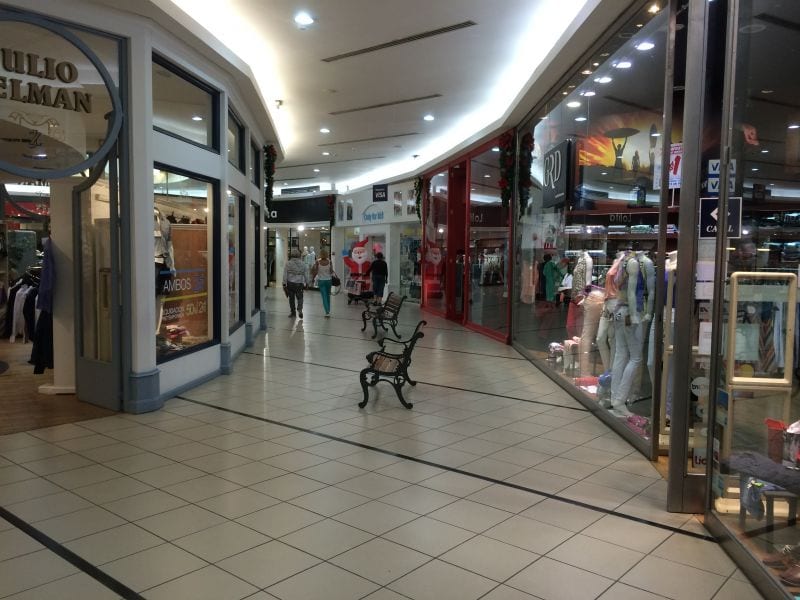
Christmas comes in December no matter where you are in the world. In this Punta Del Este shopping mall, Christmas has arrived, decorations are out, Santa has been puffed up, and all that is needed is more customers and a brisk buying season.
During Christmas season we set time aside to do nice things for people we may not be nice too other times. This is the time of year when bygones are to be bygones, when wrongs are forgiven, when giving and getting are almost on par,when open hearts overtake our baser instincts.
Santa waves when I see him.
Everyone knows there is a Santa Claus and he lives in a big house at the North Pole. He has been working all year to make presents for all those who have been nice, not naughty. Ramping up operations, his reindeer are rearing to go but he also uses Fed X, Amazon, UPS, the Post Office, and DPS to help him complete his mission. He has look alikes sit in shopping malls and let kids sit on their knees and tell what they would like for Christmas. Everyone knows Santa can’t be in all places at all times.
Weather doesn’t have anything to do with Christmas. Christmas is a time to celebrate the birth of Christ whether it is hot or cold, dry or wet, spring or winter.
It remains odd, however, that more people these days worship Santa than Christ.
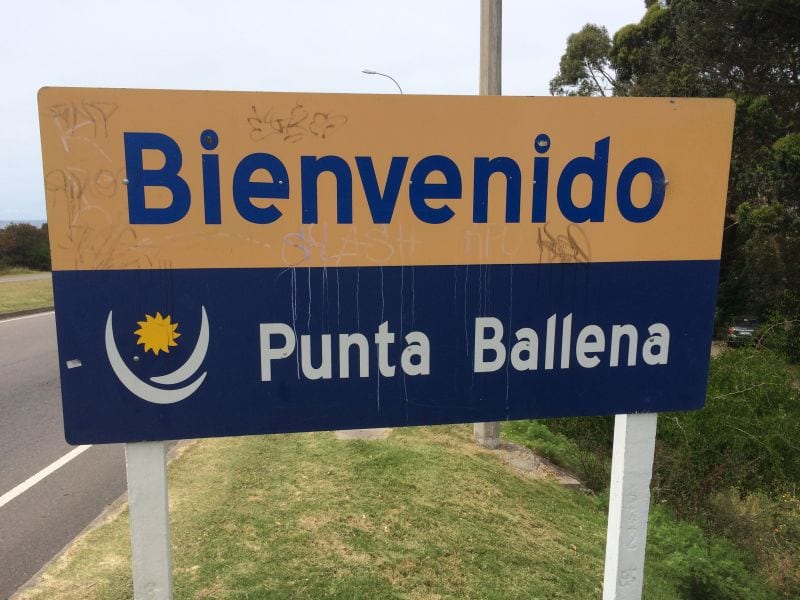
Punta Ballena is ten to fifteen miles outside of Punta Del Este.
The bus lets you off by a worn out spot on the highway’s shoulder and the driver points you across the highway towards an uphill winding road overlooking the ocean.
This is my first visit here.
Before, on the bus ride from Montevideo to Punta Del Este, I saw this view and wondered what people did in Uruguay to be able to make the money needed to live here? The reality is that many who live here bring money with them.The rich have play places all over the world.
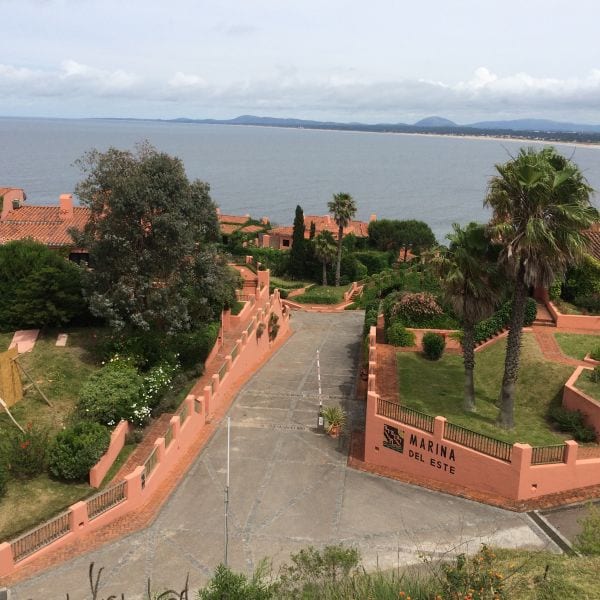
It is understandable that nearly all the land with a view of the water has been sold and has a house on it. Across the street, in beautiful wooded, open areas, are Se Vende signs with phone numbers. There isn’t a hundred yards difference between the two pieces of land, but view adds up to extra millions of dollars in value.
If you have money, you don’t want to walk across the street to see the ocean.
If you have money, you think about things like this.
These two lovebirds, by our standards on the cost of an ocean view, from their front porch, are richer than all of us. put together.
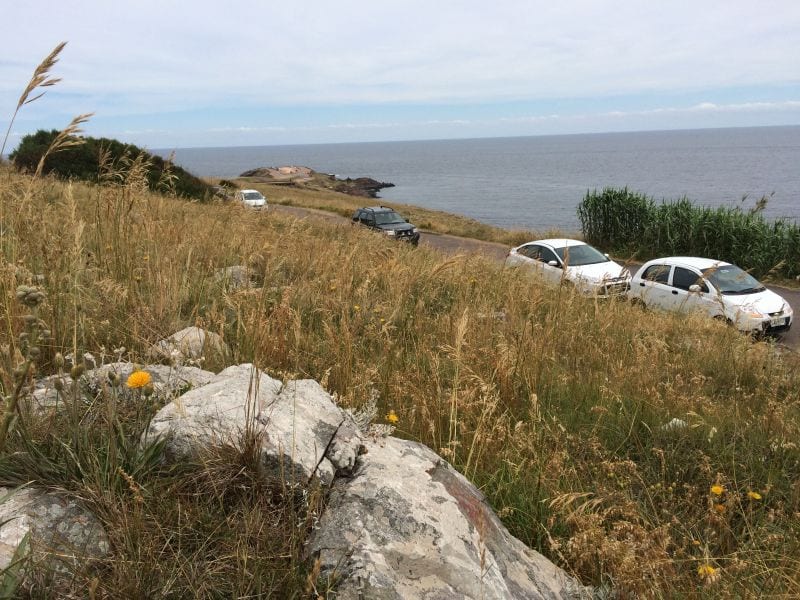
When you come towards the end of the winding road that leads you from the highway to the water, you look down and see a turnaround where buses and cars are parked and people are standing on stone walls taking snapshots of the ocean for their scrapbooks.
I am looking for a white pueblo styled house, ” Casa Pueblo” built somewhere on this peninsula.
Not seeing it, I backtrack and ask a lady with her daughter where the Casa Pueblo is? The woman points and moves her hand a little to the right, pointing over a hill I can’t see through.
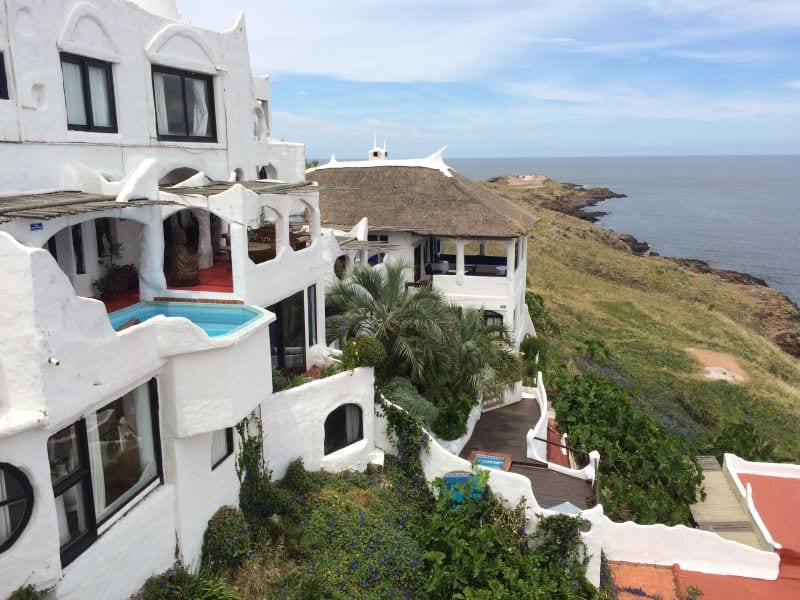
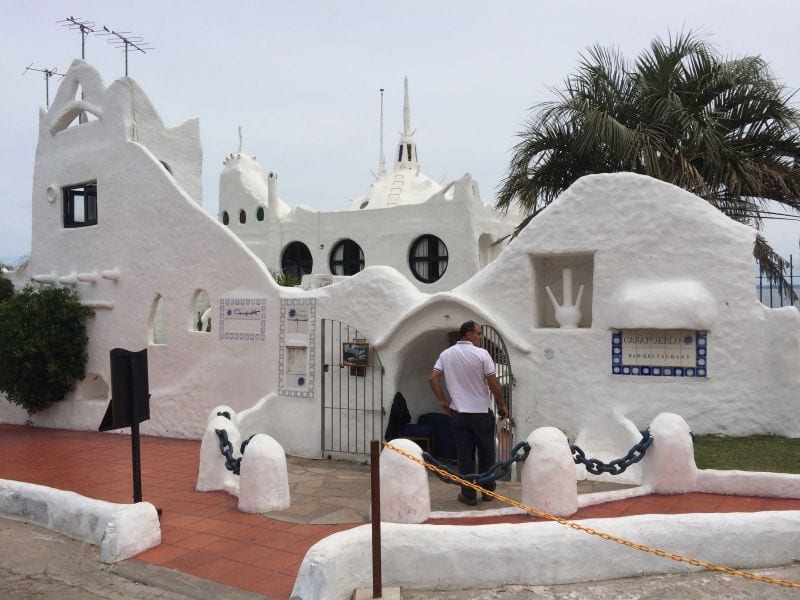
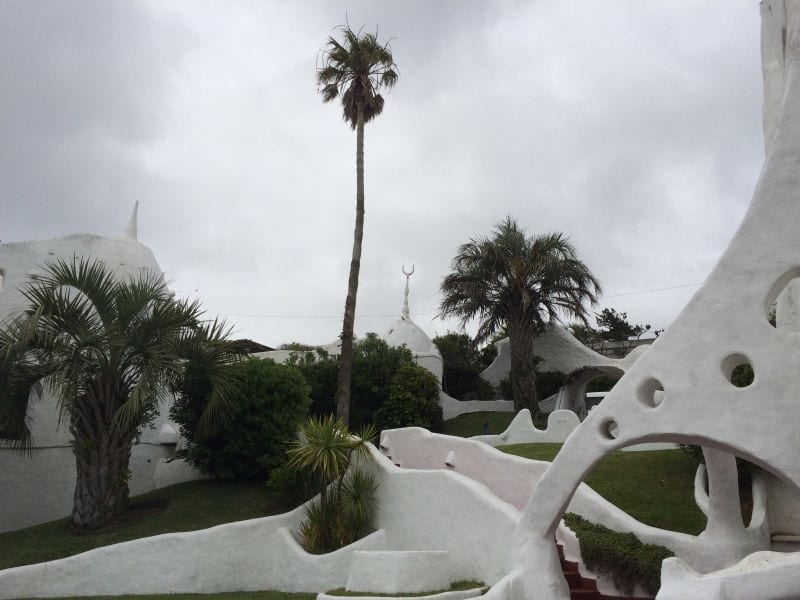
I walk back down the winding road, go further than I had before, and spy a smaller road cutting away to the right from this main road. A few more steps and I see white adobe style walls that can only be the famous Casa Pueblo built on a cliff overlooking the ocean.
There are vehicles parked along both sides of the narrow road leading up to its entry and people are trekking towards the National Monument like ants following a jungle trail.
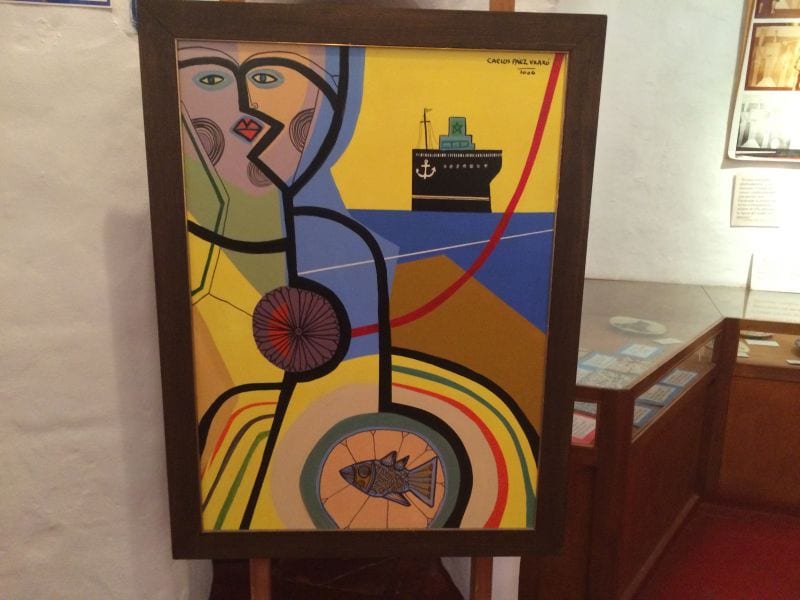
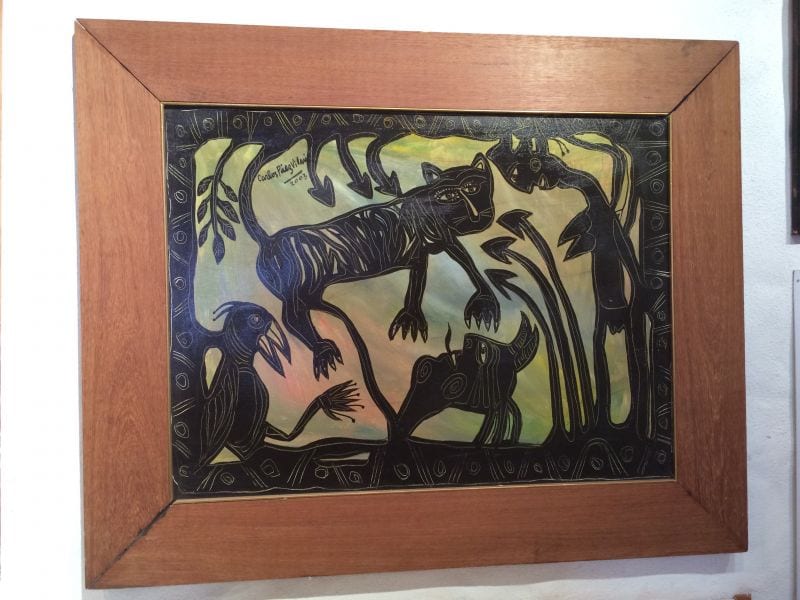
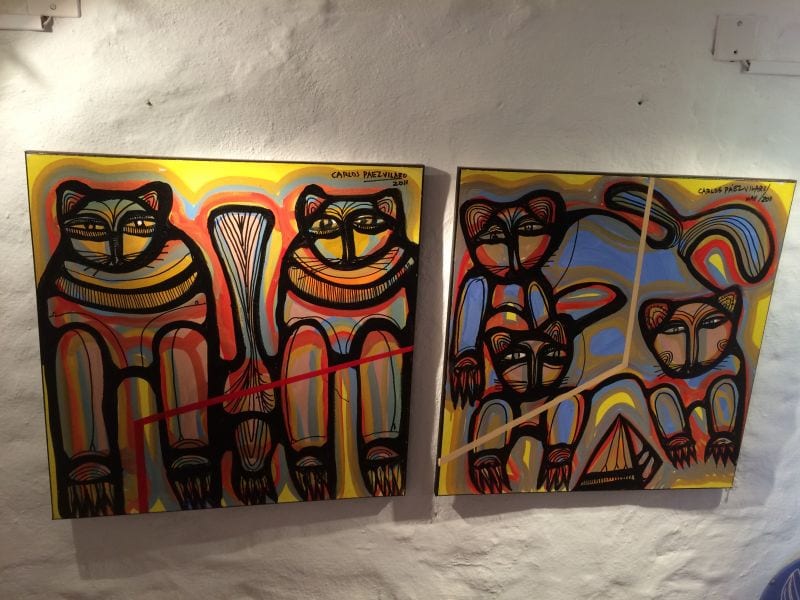
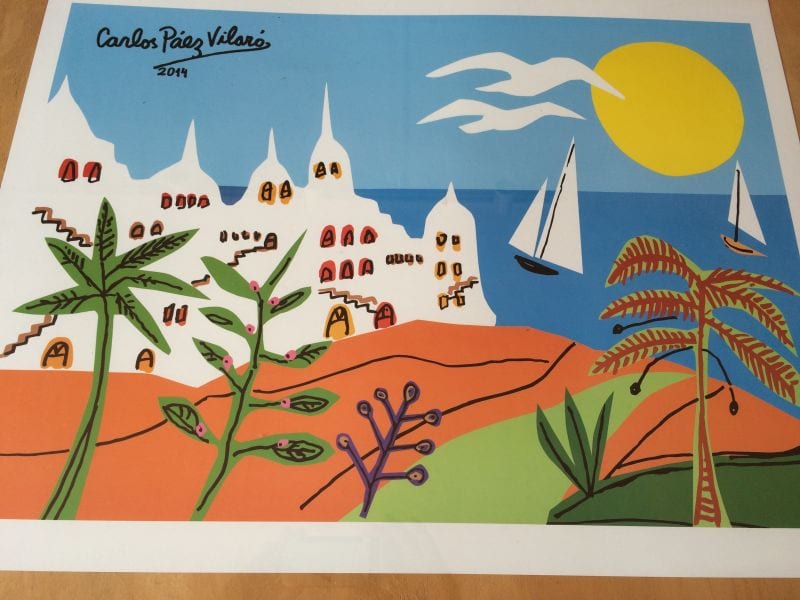
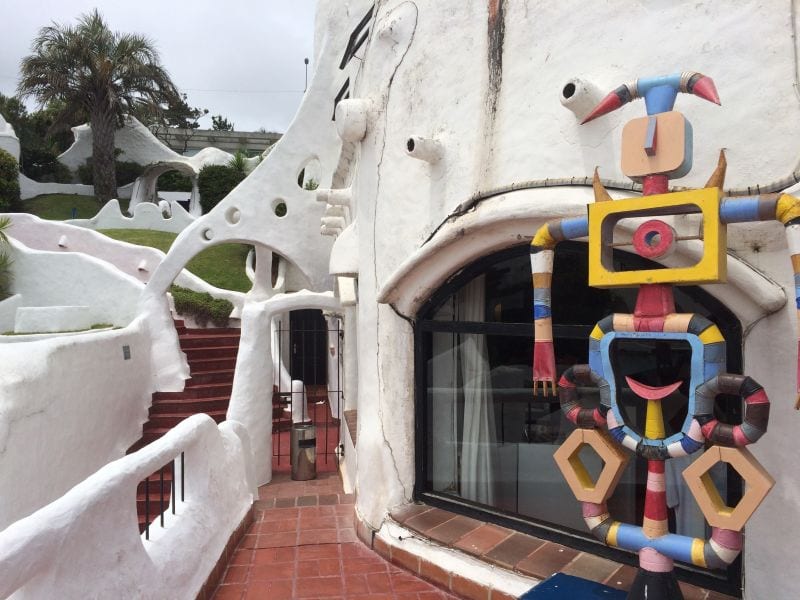
Casa Pueblo is home and studio of Carlos Paez Vilaro, Uruguay’s most famous artist.
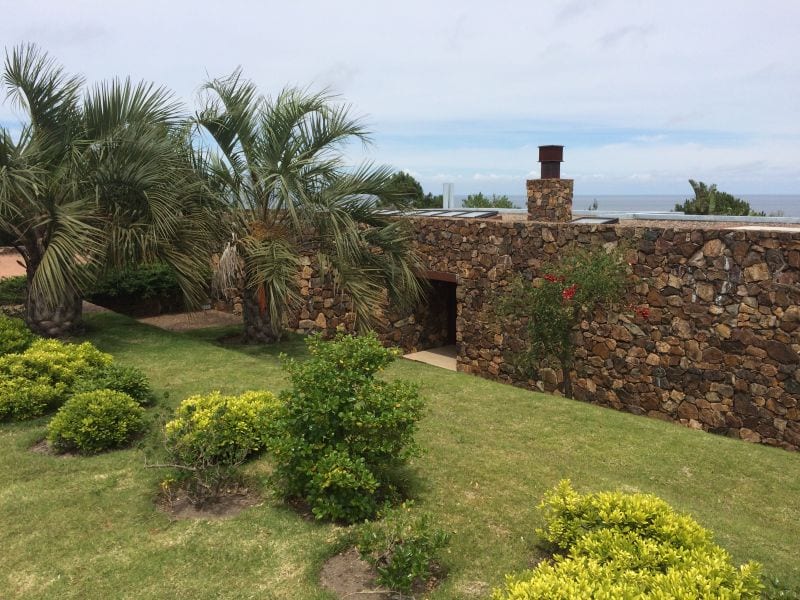
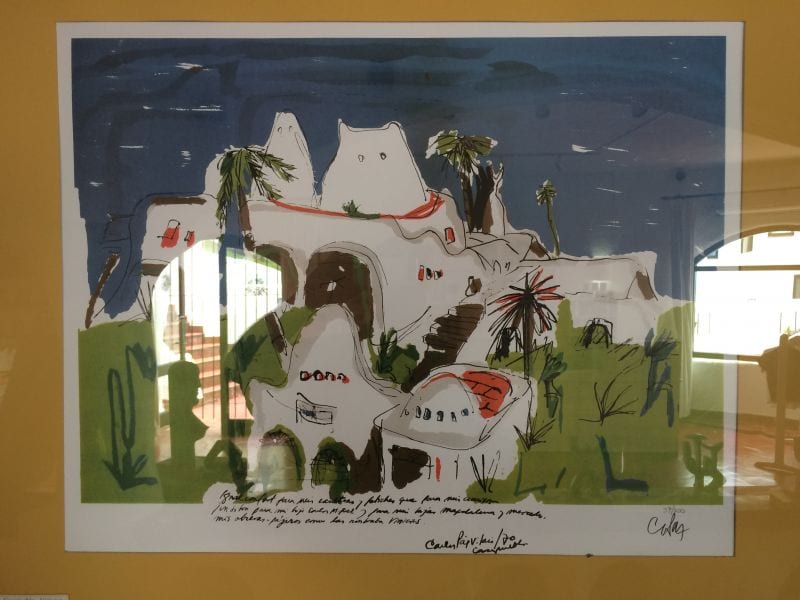
Whereas art can be done quickly, building takes more time. There are engineering problems, aesthetic questions, debates about whether concrete and wood can do the things you are asking them to do. In New Mexico, as well as here, materials are touched by hands. Cement is mixed and poured by the wheelbarrow load. Walls are plastered with hand tools and left uneven and undulating.
Wandering up and down stairs through the home and studio and gift shop and hotel and museo, inside and out, there are unexpected turns and twists.
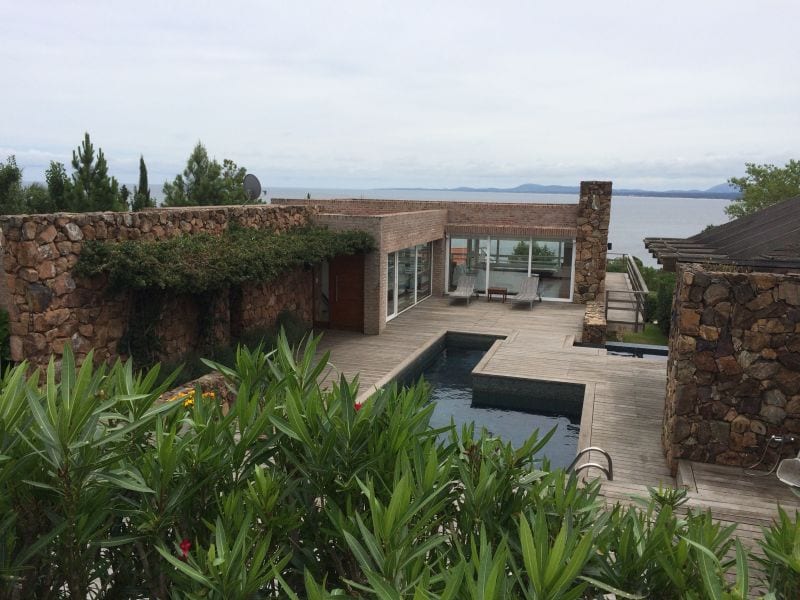
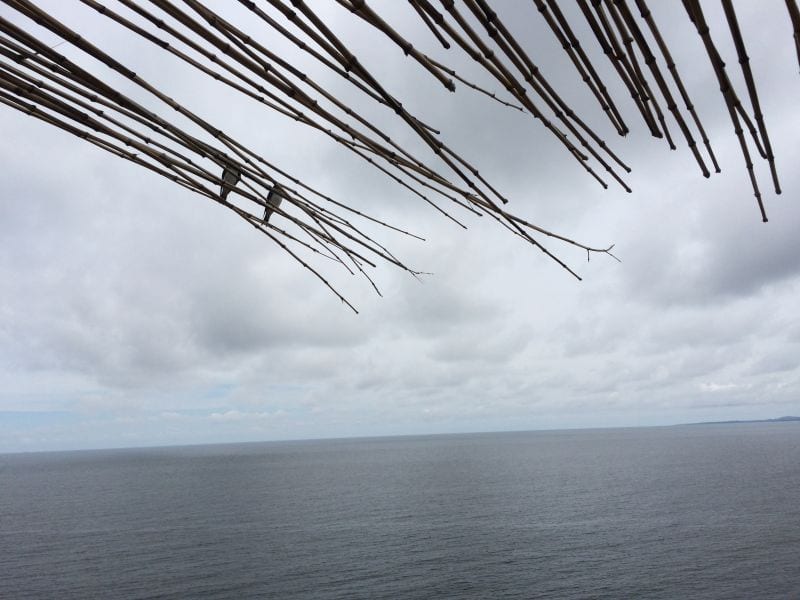
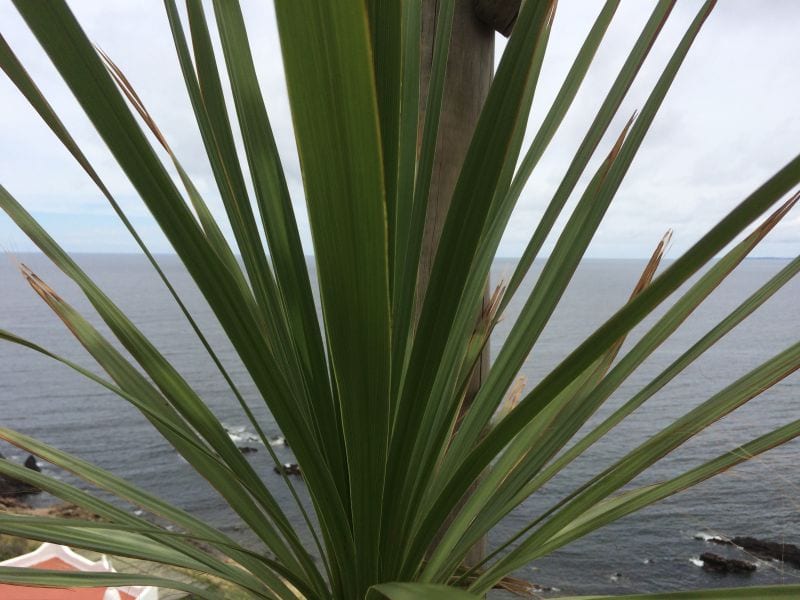
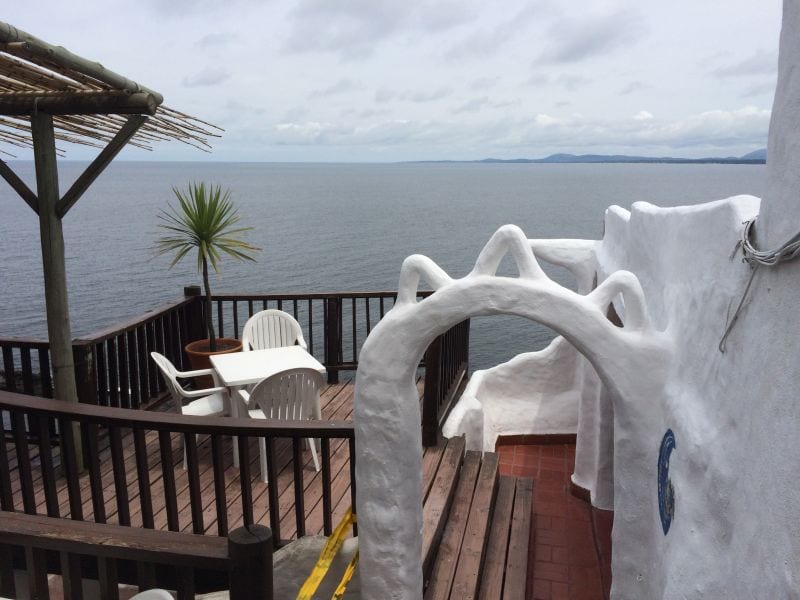
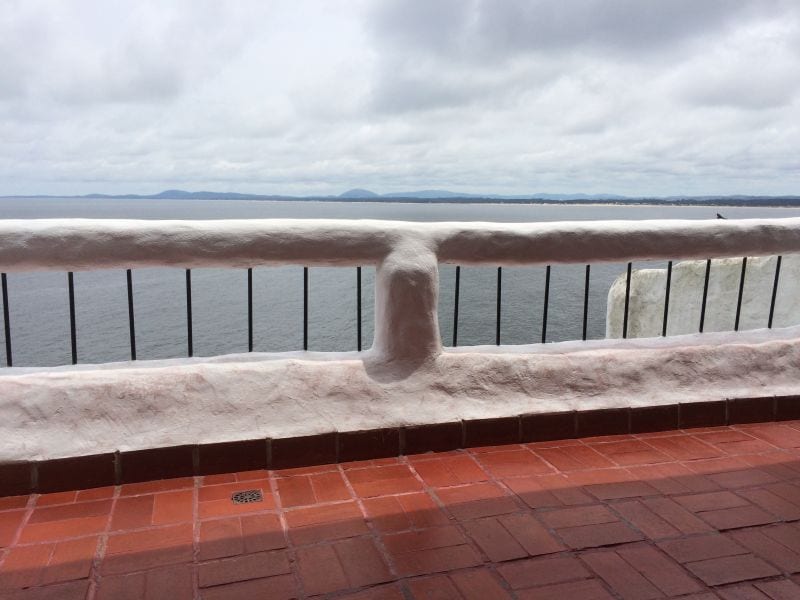
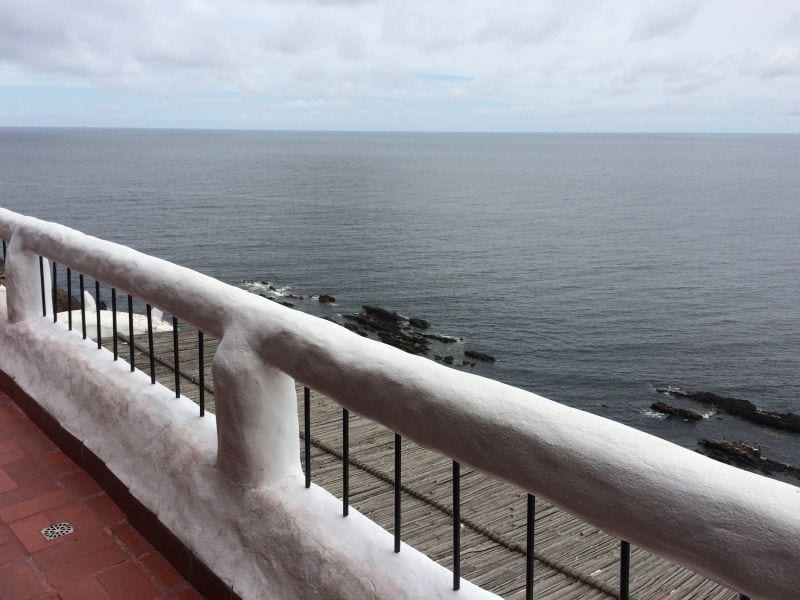
For the longest time it is very comfortable for me just to sit on the back observation deck and look at the water below me change colors. I can stand at the deck railing and look at hotel guests in bikinis trying to get brown when the sun is behind a cloud.
Men’s minds are not all made the same way but if my house was built to fit my mind’s interior it would look a lot like this.
Most of us have castles in our minds, but we just can’t afford to buy them, or build them.
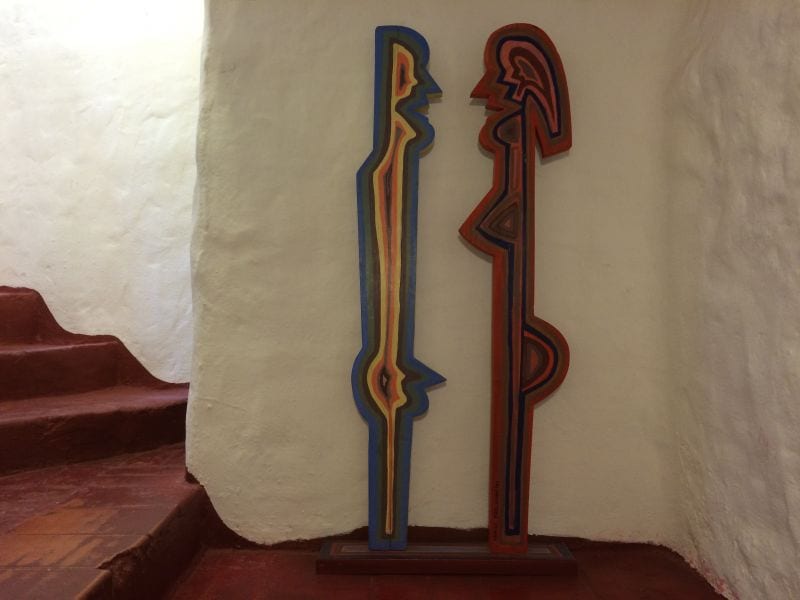
Drawing is about lines.
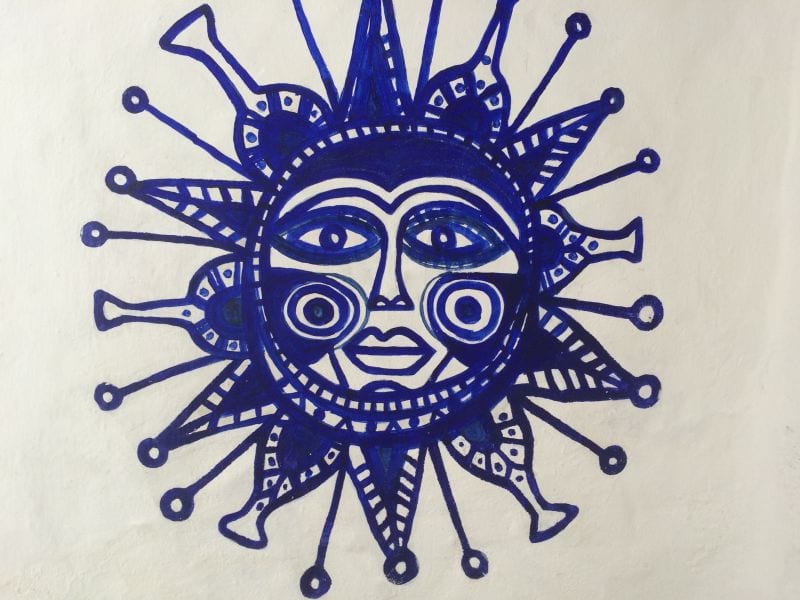
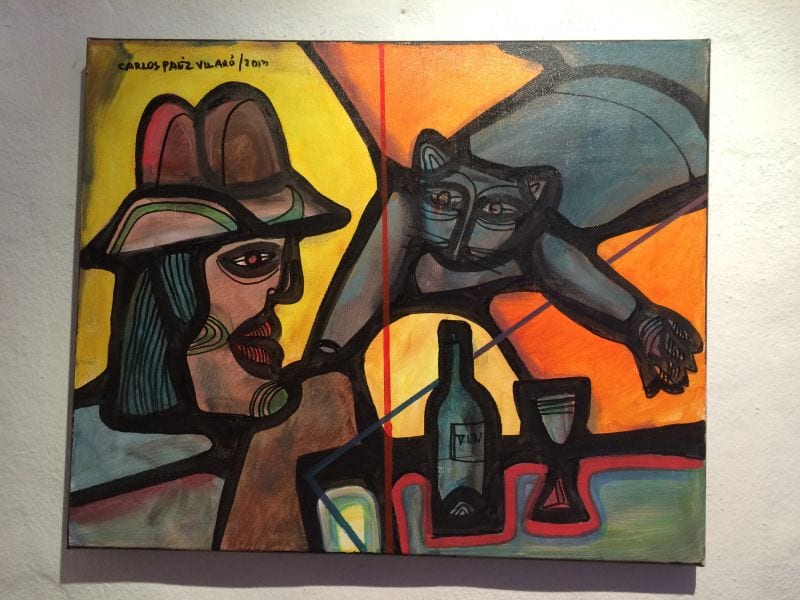
You have straight lines, curved lines, and a combination of both. With line you begin reproducing what you see, then drawing what you imagine, then making something new that hasn’t been seen before. Something must have snapped as Carlos put pencil on paper, chalk on paper, paint on canvas, clay on the wheel, murals on big city walls around the world.
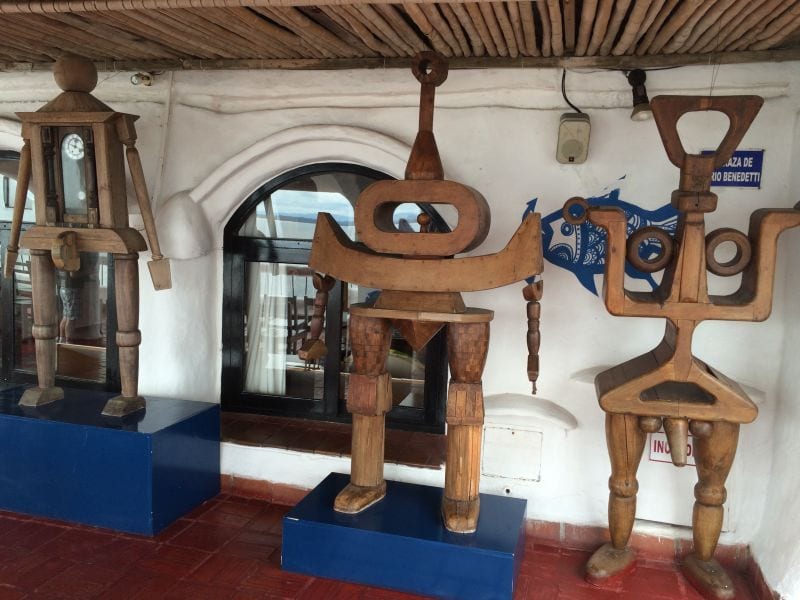
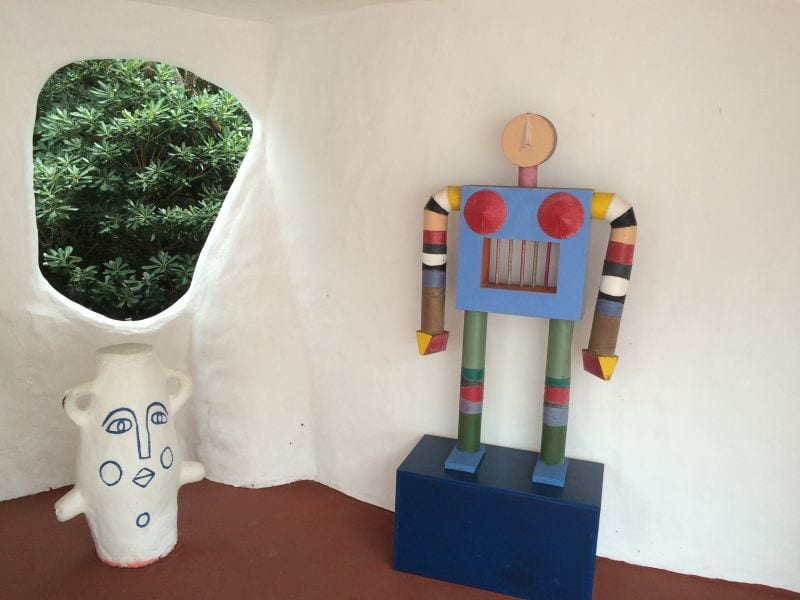
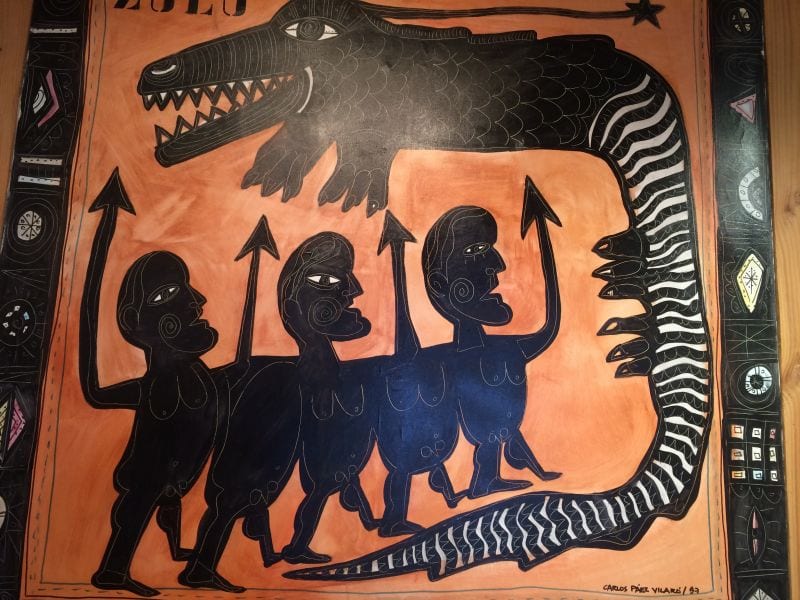
In his work you see Picasso and the influence of ancient cultures of South and Central America – the Aztecs, Incas, Mayans. You see the influence of African masks and Ancient Greek sculptures. Art fed him like a farmer eating from his own garden.
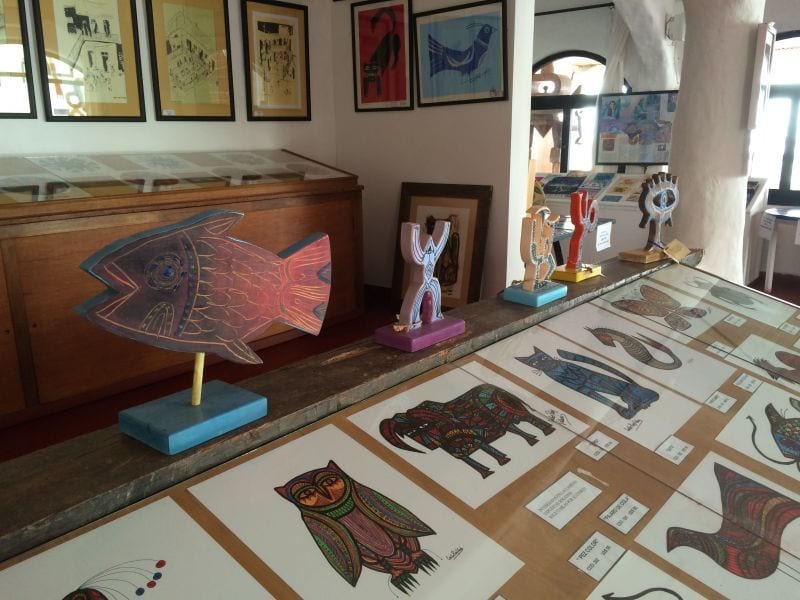
Some of the works in the gift shop are not to my taste, but that means little. There are many foods but you don’t have to like them all to make them good for someone.
Vilaro’s older works are surprisingly as inquisitive as the early ones since age seems to diminish chance taking and creativity.
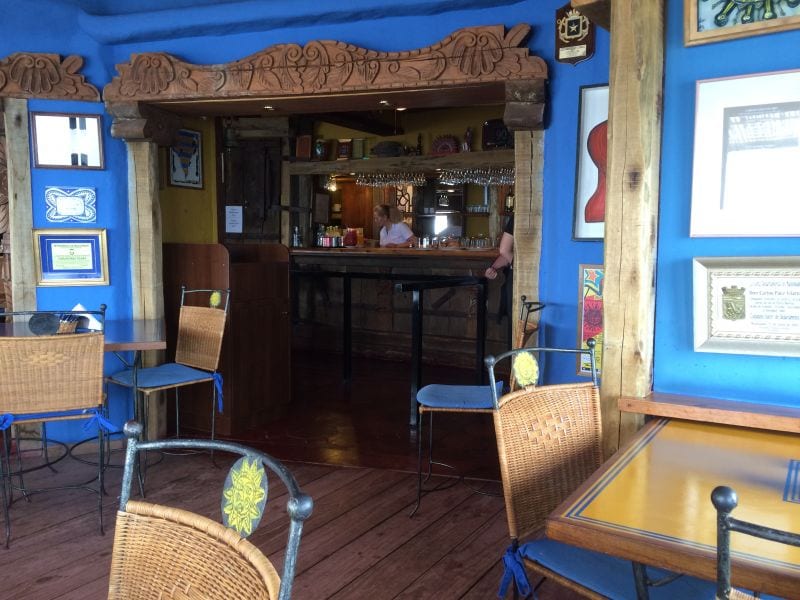
I like it here. This place resonates like a ringing dinner bell as the sun goes down and candles are lit on white tablecloths.
Casa Pueblo is one of the must see sights in Uruguay.
The house is the art studio and home of one of Uruguay’s most famous artists – Carlos Paez Vilaro. His biography calls him an abstract artist, painter, potter, sculptor, muralist, writer, composer, and constructor. He was born in 1923 in Montevideo and started drawing in 1939 at the ripe old age of 19. From humble beginnings, he created his life, as he found his way to live it, with friends all over the world.
The Casa Pueblo is, in his own words, “His fight against straight lines.”
The home he made in Punta Ballena, in the 1950’s, then a very remote place in Uruguay, was later expanded to include a museum, gift shop, restaurant, gallery, and studio. On film, in a sitting room at the entry to the historical site, the artist tells of his early life, his travels around the world. Coming from poverty, he identified with struggles for independence and was involved in music and culture of the barrios. He made films and played music. He was a Renaissance Man.
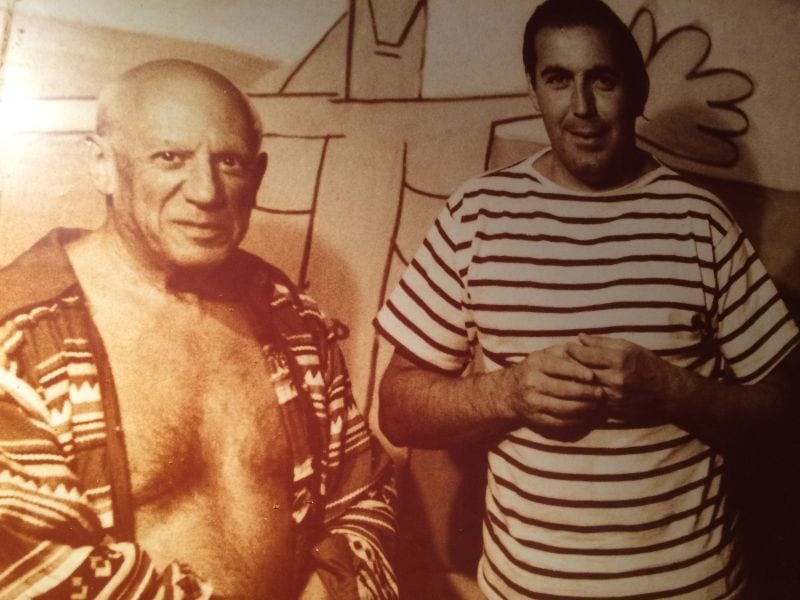
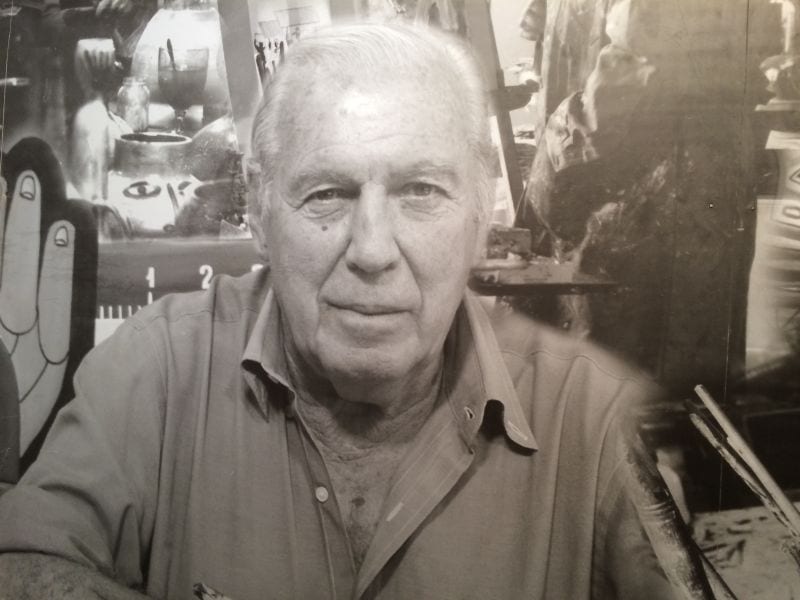
These photos present him as a young man, and then an older man. One of his sons commented, at the time of his death, that “I hope he rests in peace. I’ve never seen a guy who works that much, and I mean it. He worked up until yesterday.”
On the film, the artist calls work his peace.
Give thanks to artists because they are explorers with candles who show us the way in the dark.



Recent Comments