Early in the morning no one is about except tourists with cameras, construction workers getting a jump on the sun, security guards walking to work talking on their cell phones, vendors loading little carts with bananas, potatoes and pineapples for a day of selling.
On the boulevard in Lake Nicaragua Park, at the end of the Calle Libertidad, a few men operate leaf blowers and primp the grounds for the real barrage of tourists in October, November, and December.
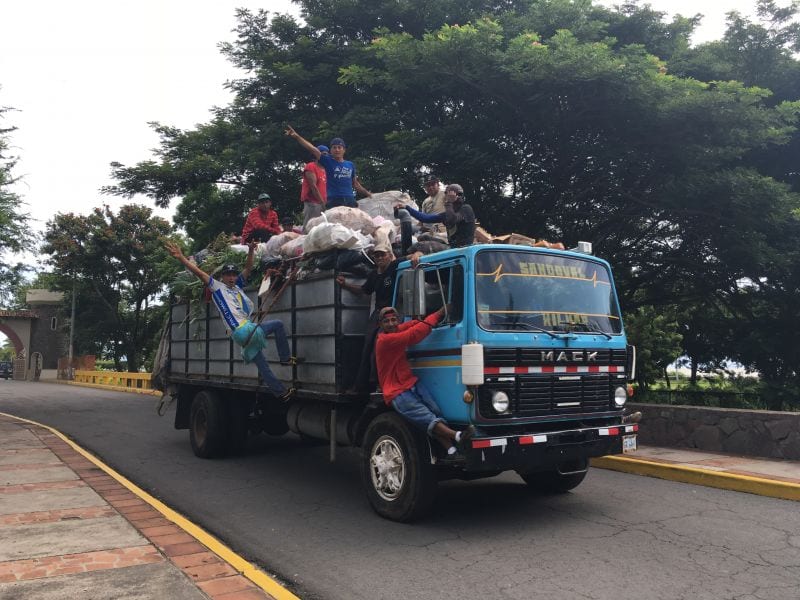
I watch a trash truck overflowing with bags coming closer, remember my morning rides on Saba, on winding dangerous roads, on the way for a day of cistern building a number of years ago.
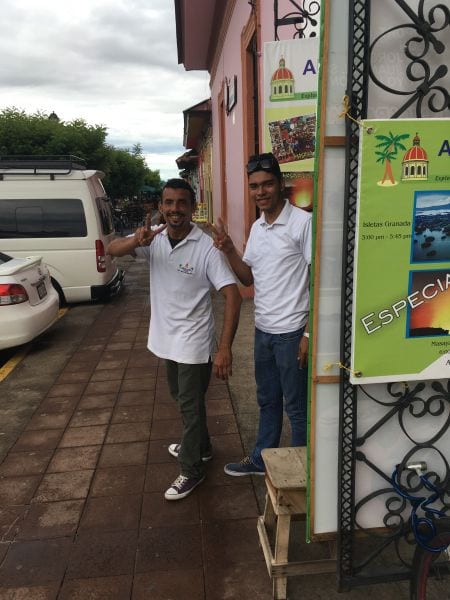
As these men and boys pass, they hang off their truck, wave, laugh, happy to be riding on a cool morning instead of walking. It is not safe to take deductions too far but these guys don’t seem unhappy.
” Here we are, ” they say, ” take our picture. ”
And so, I do.
They wave at me, as they go by.
Picking up refuse seems to be bad only if you see it that way.
Granada is built on the shores of Lake Nicaragua.
In olden days, the rich or famous of Managua came to the lake to relax with their families and built huge homes that go unused by heirs who have moved to the United States or other foreign lands for more opportunity, better weather, or because they can. There is a huge park at the end of Calle Libertidad with open air discos, park benches and swings, nooks to enjoy a swim and cooler breezes.
This morning, horsemen push cattle past as I stand in shade, out of the way. When one of the herd moves closer to the park’s grass, it is driven back towards the shoreline by one of the cowboys. A slight breeze moves leaves in the trees, water gently kisses the shoreline, and people have not yet begun to wake.
Granada is a place where animals are important and a part of daily routine.
This moment speaks of a more pastoral time when men spent the day with their animals, weren’t in a hurry, and lived well with nature.
In the evening these cowboys will come back this way, cattle driven home by the caballeros, the lake turning pinks and yellows and reds as the sun goes down.
Dogs will keep the cattle in a straight line and everyone will be hungry after a hard day of work.
This is a small poignant piece of the nineteenth century still alive in the twenty first century.
These days, we too are being driven, but it isn’t cowboys that herd us.
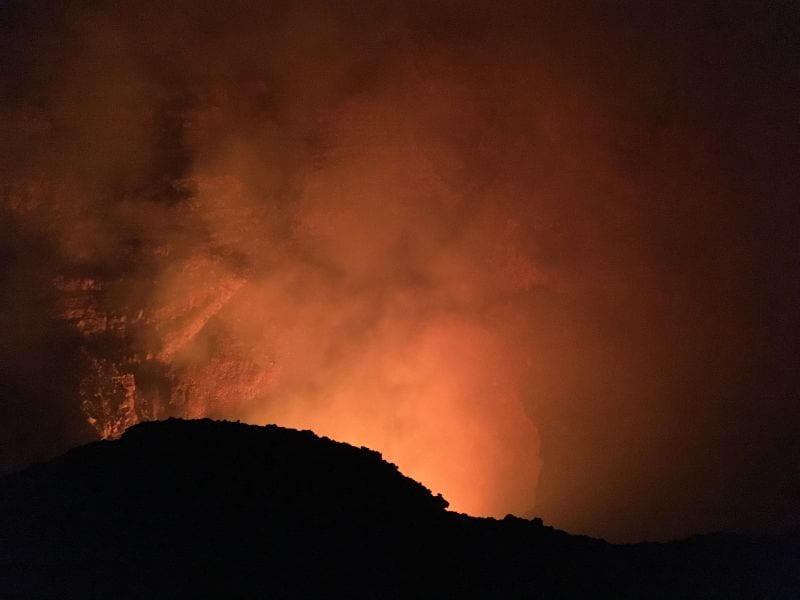
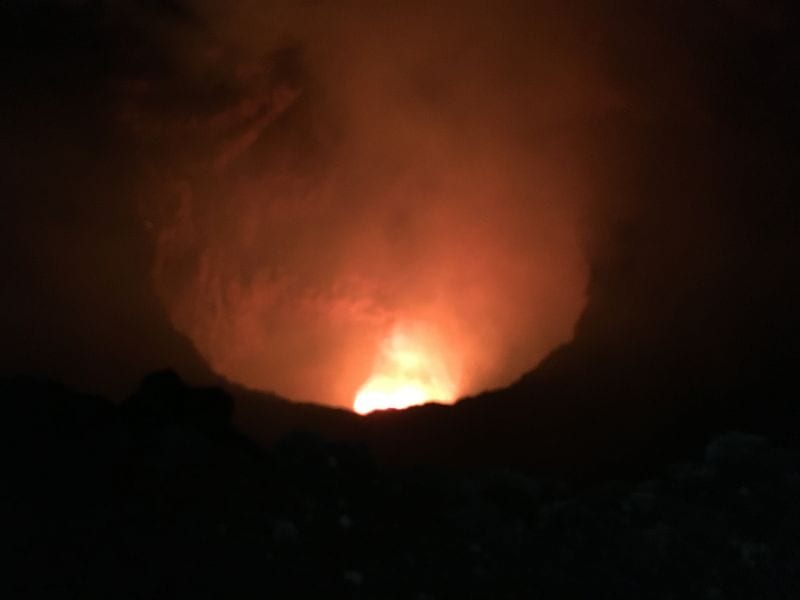
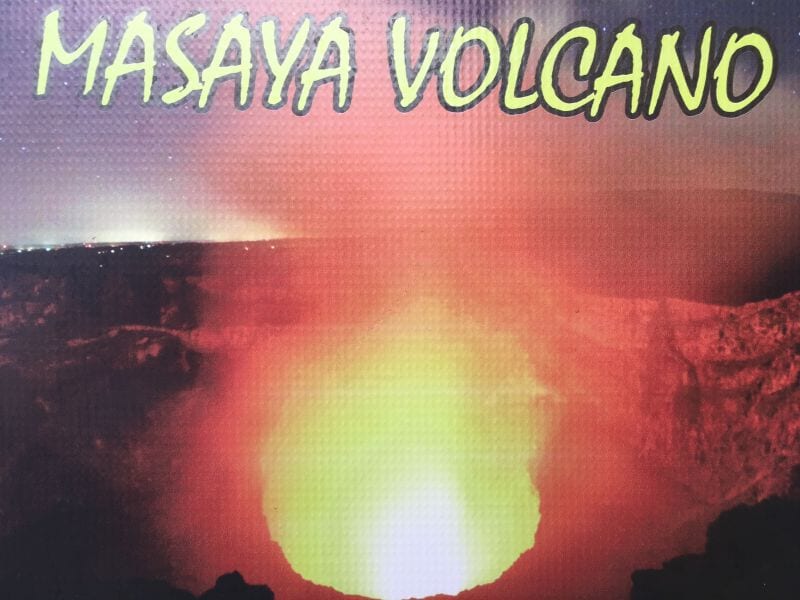
The three hundred foot rock walls of the crater go straight down as if a giant using a post hole digger, dug a hole for a fence post and then walked away without filling it. Light on the sides of the walls is the color of the fire in the bottom, and, at that bottom, are moving waves of reddish yellow molten rock.
” It looks like Hell, ” someone says, and a woman clutches her cross, and says a prayer.
For the scientist,this is just a fissure in the Earth and the magma belies intense heat and pressures at the core of this planet. it is all explained by the Big Bang Theory..
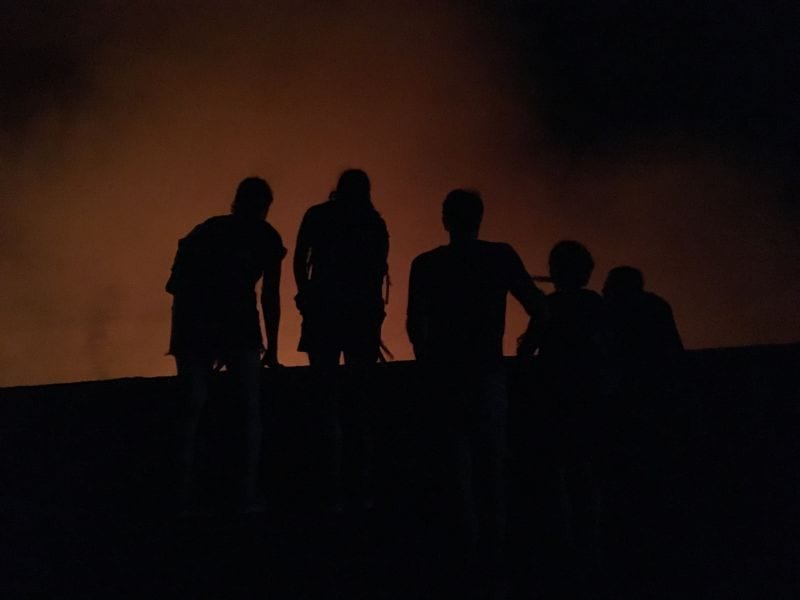
Sightseers move along the length of a stone wall along the crater’s edge, fixated on the fire in the hole. It is a dark, starless night, and some sightseers have brought flashlights to help them see the path around the volcano as they scramble for better places to see it. This whole place smells like fireworks on the Fourth of July.
Walter, our guide, motions me to the exact spot where I can see the cauldron.
Ancient men would have sacrificed to the Gods here, but that custom has been abandoned.
Now, we worship ourselves.
Nicaragua is home to 27 volcanoes.
Some shoot ash and gas into the air while others are a seething cauldron of molten lava.
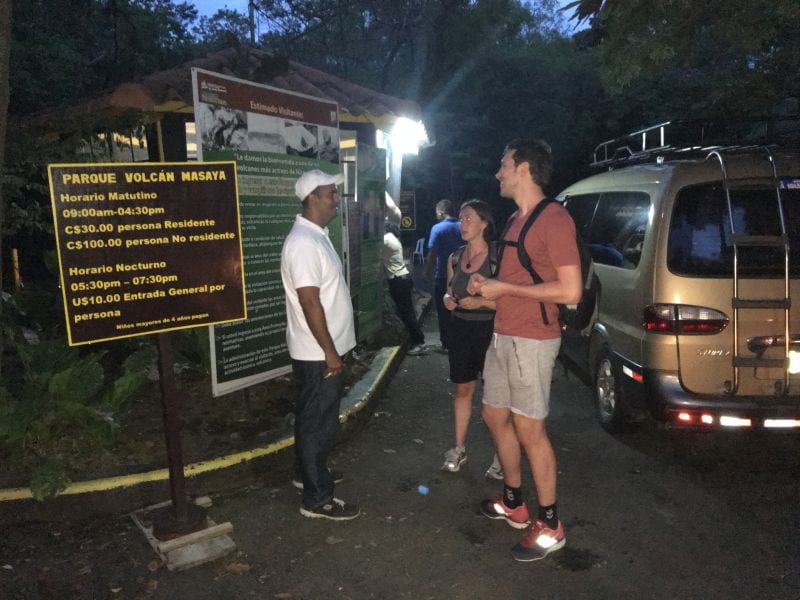
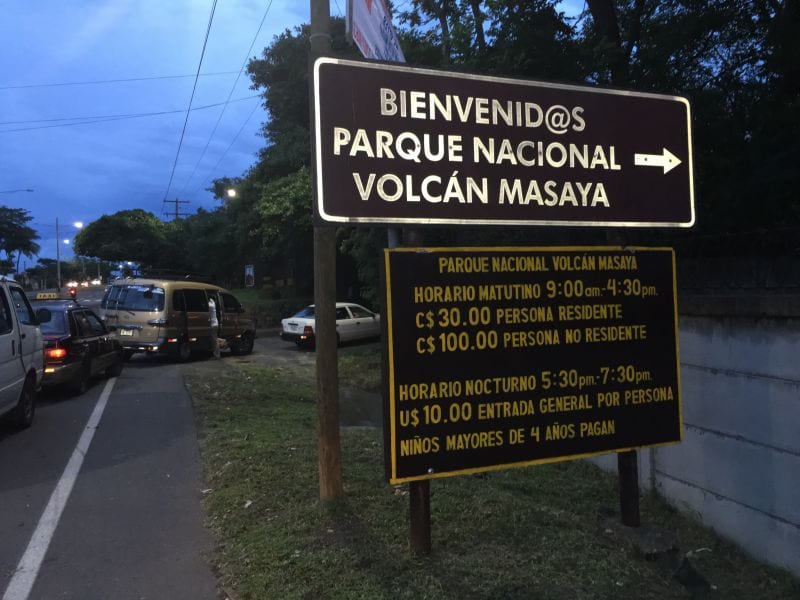
Masaya is a thirty minute drive from Granada and much closer to Managua, the capital city of Nicaragua. It erupted most recently in 2008 and was one of the first authorized National Parks in Nicaragua. The park closes depending on what emotions the volcano shows and in 2008 visitors were surprised by the eruption that killed two people.
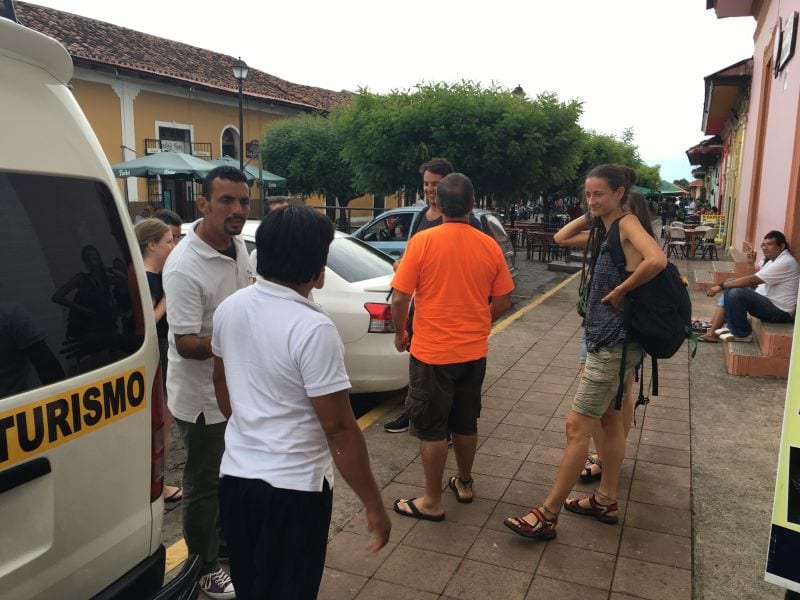
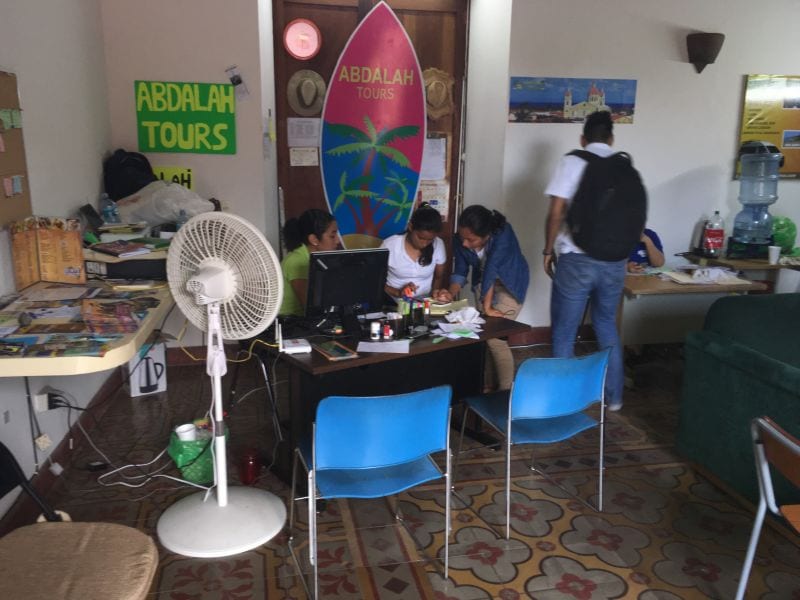
Tour companies are plentiful in Granada and their sales force stands on the steps outside the tours front doors and work the crowds in English and Spanish. Like all sales persons, they tell you what you want to hear, not what you need to know.
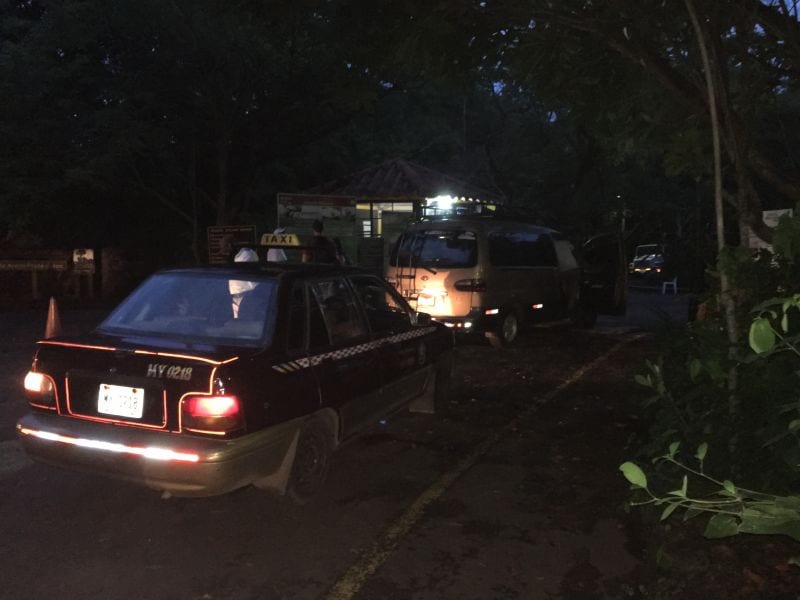
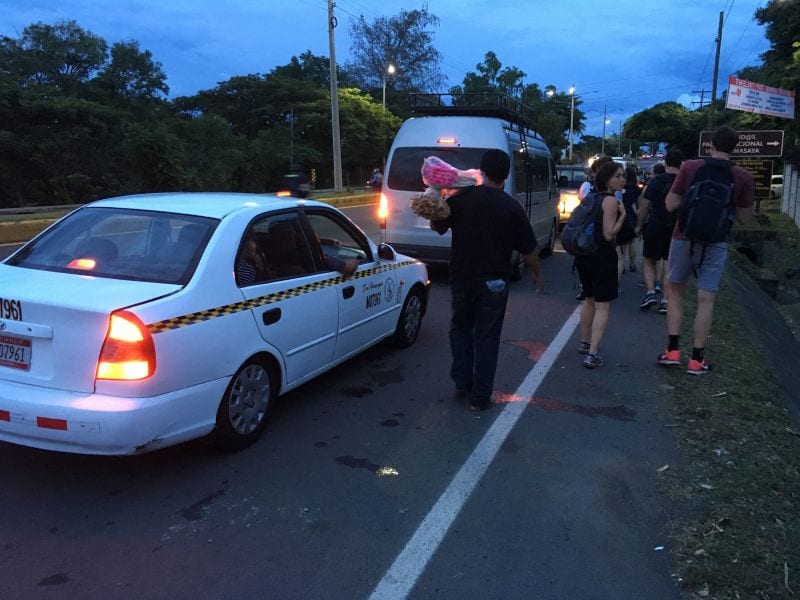
Our evening $20.00 U.S. tour ( which includes a $10 park fee ) takes three hours to complete and includes a ride to the Masaya National Park, a thirty minute photo op of the volcano at night, a ride back to Granada on highways where motorcyclists and bicyclists wear no helmets and have no lights on themselves or their vehicles.
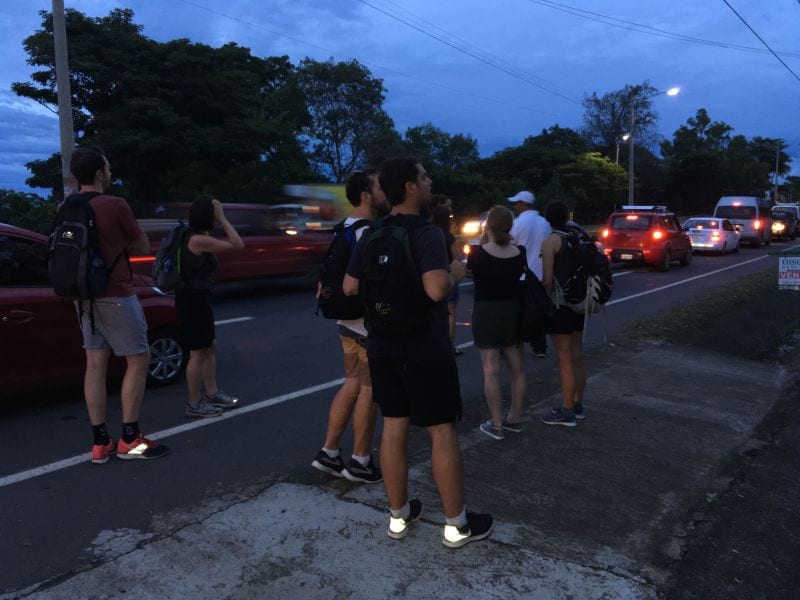
This evening our bus is filled with eleven people from Germany, Australia, Canada, Austria and the U.S..
At our thirty minute turn at the top of the volcano, we exit our van and scramble to a waist high rock wall that separates us from a three hundred foot drop to the bottom of the crater, where, at strategic points, you see molten lava moving like waves. Gas funnels up into our faces and way up in the sky are night stars, even hotter than this volcano.
Caught between molten rock on the inside of this planet and gases in the atmosphere, walking on a land that shakes from quakes and drowns in floods, how can we be convinced we are masters of this world?
It isn’t our power that holds atoms together.
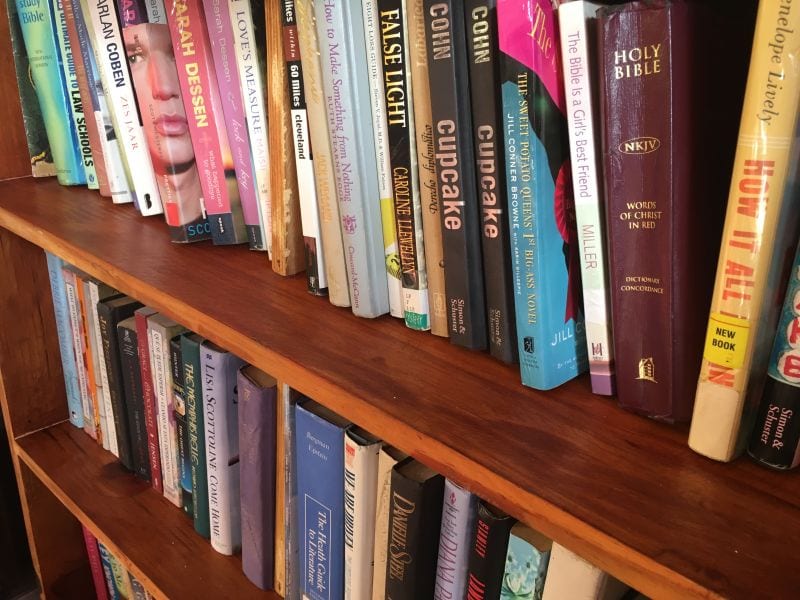
A small bookcase in the Cafe de Arte, in Granada, has books for visitors who like to read.
It is unknown whether these books come from the owner’s library, were donated by friends and patrons, or are part of a take one, bring one system. Readers these days are becoming scarce with humans preferring to surf the web – an almost unlimited bookcase of ideas, images, sales pitches, entertainments, propaganda, lies, and sordid truth. You can see and read more on the internet in a night than you can see or read in a lifetime of going to bookstores and libraries.
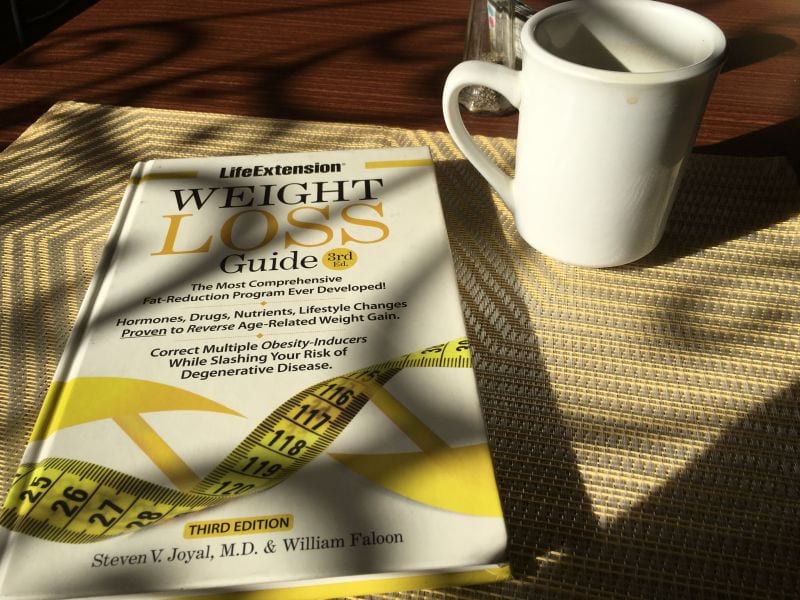
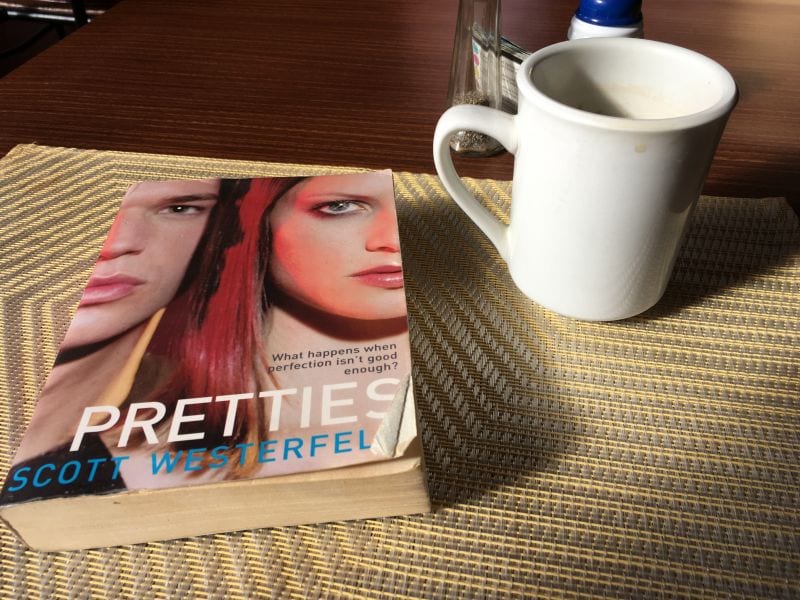
In this little bookcase is a tome on weight loss, an obsession in industrialized countries where people work less, sit more, and want to look pretty from every angle.
There is a book by Rachel Cohn , ” Cupcakes, ” that follows girls having good fun and good sex.
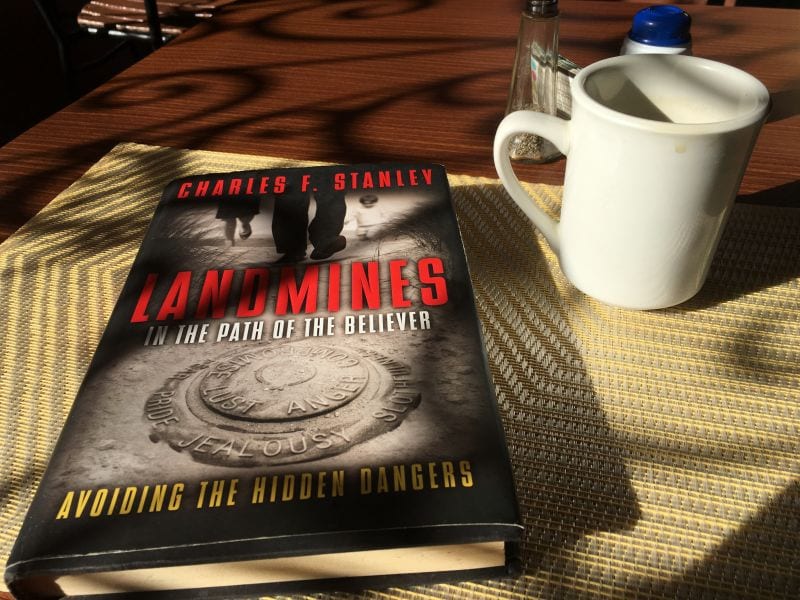
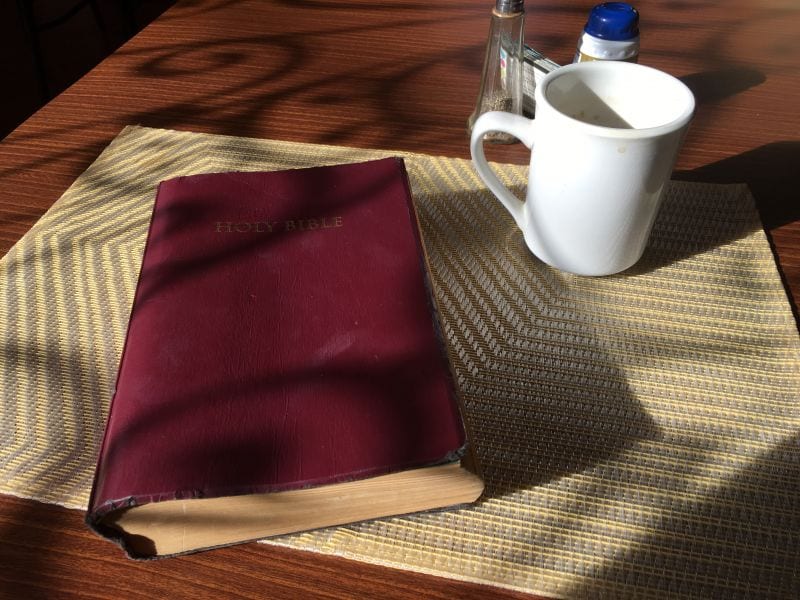
There is a choice for Believers on Landmines that keep them backsliding.
There is a crime novel by Walter Mosely with a $1.00 sticker from a Dollar Days sale which tells me crime doesn’t pay.
I find poems by Ruben Darios, a Nicaraguan poet whose bust is on the Calle De Calzada by Lake Nicaragua.
You would think there might be a Louie L’Amour western, something by Hemingway, a book on surviving the pending economic collapse?
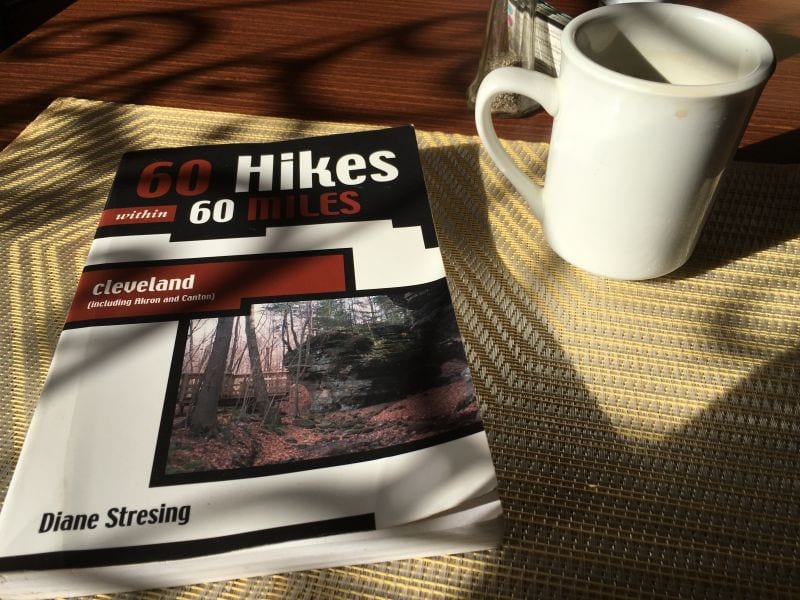
While the reading here is girly, coffee and words go together, and reading doesn’t cost you anything but your time.
As an English major, browsing books is a habit worse than cigarettes.

Recent Comments